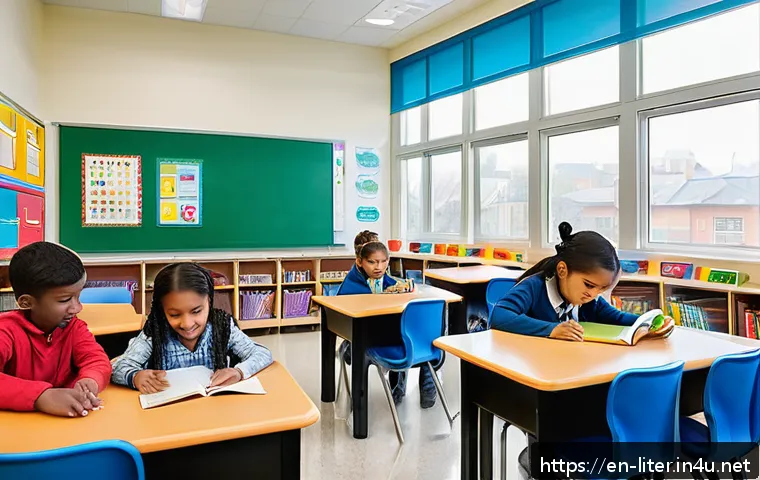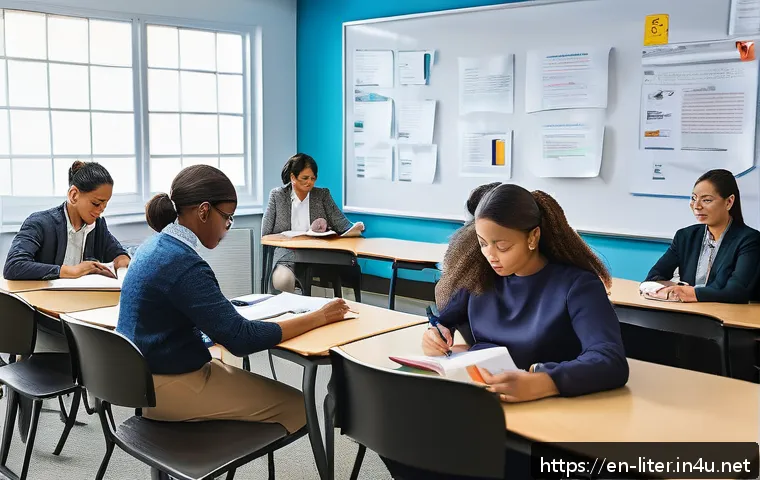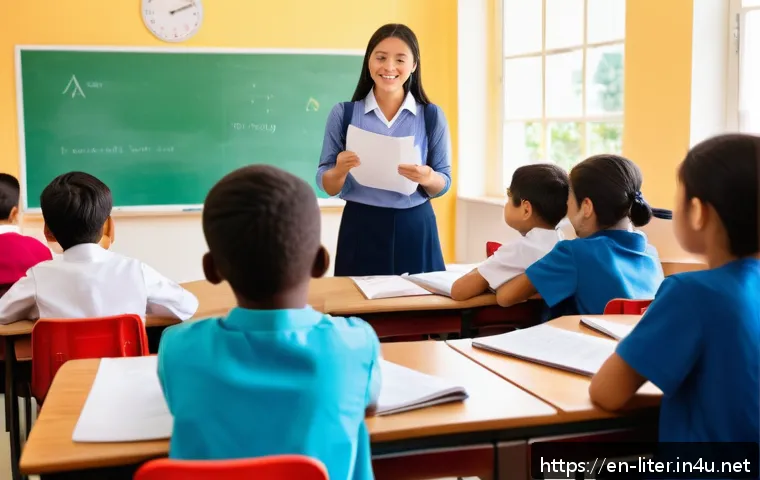
In today’s fast-evolving educational landscape, effective communication between literacy educators and students has never been more crucial. With digital tools reshaping how we teach and learn, mastering these communication techniques can create deeper understanding and lasting connections.
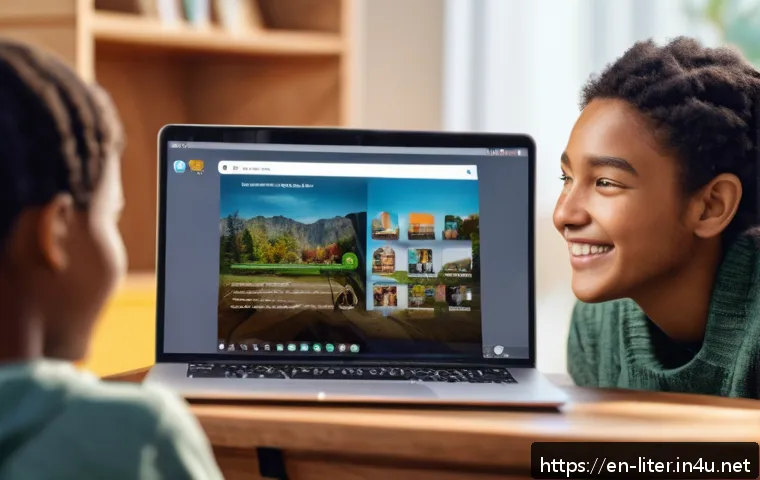
Whether you’re a seasoned teacher or just starting out, unlocking these strategies can transform your classroom experience. Let’s dive into how clear, empathetic dialogue can empower students and elevate literacy outcomes in meaningful ways.
Stay with me as we explore practical tips that make a real difference.
Building Trust Through Active Listening
Why Listening Matters More Than You Think
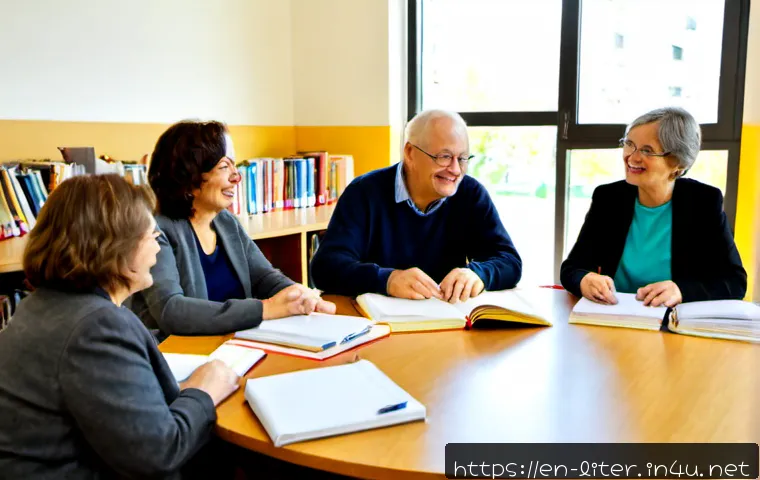
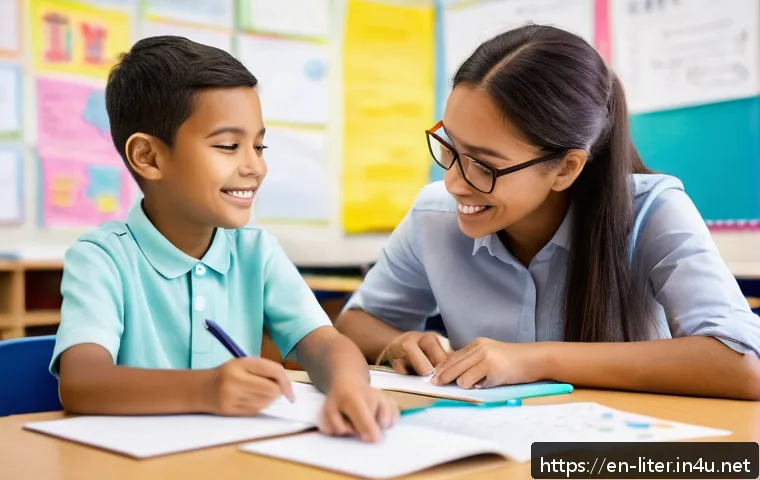
When working with literacy learners, truly hearing what they say—and sometimes what they don’t say—is the foundation of effective communication. I’ve noticed that when educators slow down and give students their full attention, it creates a space where students feel safe and valued.
This trust encourages them to open up about their struggles with reading or writing without fear of judgment. Active listening isn’t just about nodding along; it’s about engaging with their words, asking clarifying questions, and reflecting back what you hear.
This approach helps uncover hidden barriers, whether it’s lack of confidence, frustration, or external distractions, that may be holding them back from progress.
Techniques to Enhance Listening Skills
In practice, active listening can take many forms. One simple method is paraphrasing what a student just shared, which shows you’re tuned in and gives them a chance to correct misunderstandings.
Another technique is using open-ended questions—these invite deeper reflection rather than yes/no answers. For example, instead of “Did you understand the story?”, try “What part of the story stood out to you and why?” This shift often sparks richer conversations and helps students articulate their thoughts more clearly.
Additionally, being mindful of nonverbal cues—like eye contact, body language, and facial expressions—can reveal emotions that words alone might not express.
Creating a Feedback Loop That Builds Confidence
After listening, providing thoughtful feedback is key to reinforcing positive communication. I always aim to balance constructive criticism with genuine praise, helping students recognize their strengths while gently guiding them toward improvement.
This balance keeps motivation high and reduces anxiety around making mistakes. Importantly, feedback should be specific and actionable—for example, “I noticed your vocabulary has grown a lot; let’s work on organizing your ideas more clearly next.” By engaging students in this dialogue, they become active partners in their learning journey, which ultimately boosts their literacy skills and self-esteem.
Leveraging Digital Tools to Enhance Interaction
Choosing the Right Platforms for Engagement
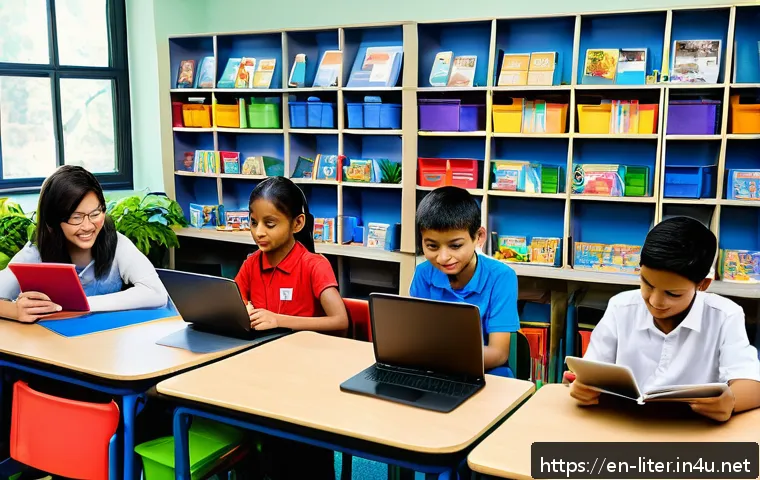
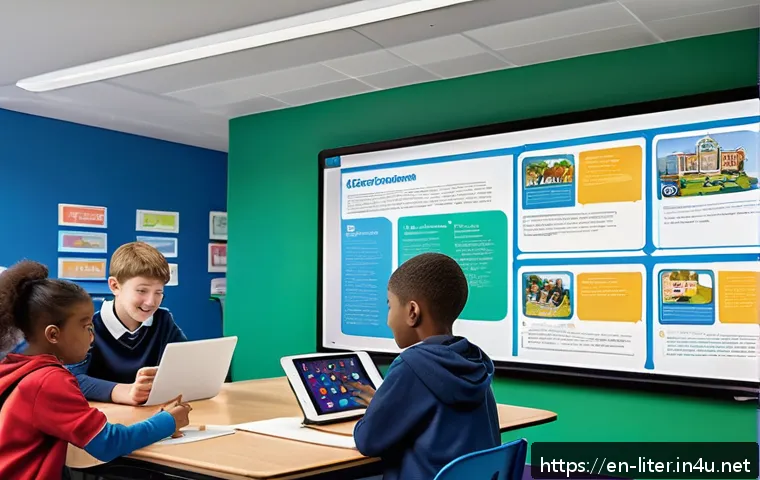
With so many digital communication tools available, selecting those that truly support literacy teaching can feel overwhelming. From my experience, platforms that allow real-time interaction combined with multimedia capabilities—like video, chat, and document sharing—work best.
Tools such as Google Classroom, Seesaw, or Flipgrid create opportunities for students to express themselves in varied ways, catering to different learning styles.
These tools also enable educators to provide timely, personalized feedback, keeping the communication flow dynamic and responsive.
Integrating Technology Without Losing the Human Touch
Technology should enhance, not replace, the personal connection between educator and student. I find that scheduling regular one-on-one video calls or voice messages adds warmth and immediacy that text alone can’t convey.
It’s important to remember that some students may struggle with technology access or feel overwhelmed by digital formats, so offering flexible options is crucial.
Combining face-to-face time with digital tools fosters a blended communication approach that respects individual needs and preferences.
Encouraging Student Autonomy Through Interactive Features
Digital platforms often come with interactive elements like quizzes, polls, or discussion boards. Encouraging students to actively participate in these can boost engagement and help them take ownership of their learning.
For instance, using discussion forums to share book reflections or vocabulary challenges motivates peer interaction, which reinforces literacy skills in a social context.
I’ve seen firsthand how these interactive features can turn passive recipients of information into enthusiastic contributors, making literacy education more vibrant and effective.
Adapting Communication Styles to Diverse Learners
Recognizing Individual Communication Preferences
No two students communicate in exactly the same way, especially in a literacy context where language skills vary widely. It’s essential to observe and adapt to each student’s preferred communication style.
Some may respond better to visual aids like charts or pictures, while others thrive on verbal explanations or hands-on activities. Early in my teaching, I learned that being flexible and patient—sometimes repeating or rephrasing information multiple times—makes a huge difference in comprehension and engagement.
Addressing Emotional and Cultural Factors
Effective communication also means being sensitive to the emotional and cultural backgrounds of students. For example, students from diverse cultural environments may have different norms around eye contact, body language, or speaking up in class.
Acknowledging and respecting these differences helps prevent misunderstandings and builds rapport. In my experience, showing empathy and asking students about their comfort levels with different communication methods creates a more inclusive and supportive learning atmosphere.
Using Storytelling to Bridge Gaps
Storytelling is a powerful tool to connect with students on a personal level. Sharing relatable stories—whether from my own experiences or culturally relevant tales—can make abstract literacy concepts more tangible.
It also invites students to share their own stories, which enhances their narrative skills and builds mutual understanding. I often incorporate storytelling into lessons as a way to spark curiosity and emotional engagement, which are essential for meaningful literacy development.
Establishing Clear Expectations and Consistent Routines
Setting Communication Norms Together
At the start of any literacy program, I make it a point to co-create communication guidelines with my students. This might include how and when to ask questions, turn-taking during discussions, or using respectful language.
When students contribute to these rules, they feel a sense of ownership and are more likely to adhere to them. It also reduces confusion and frustration, creating a smoother flow of interaction that benefits everyone.
Maintaining Predictable Structures for Comfort
Consistency is a comfort zone for many learners, especially those who struggle with literacy. Having predictable routines—like starting each session with a brief check-in or ending with a summary—helps students mentally prepare and stay engaged.
I’ve found that this structure reduces anxiety and helps learners focus on the content rather than worrying about what’s next. Over time, these routines become familiar anchors that support sustained communication and learning progress.
Using Visual Schedules and Reminders
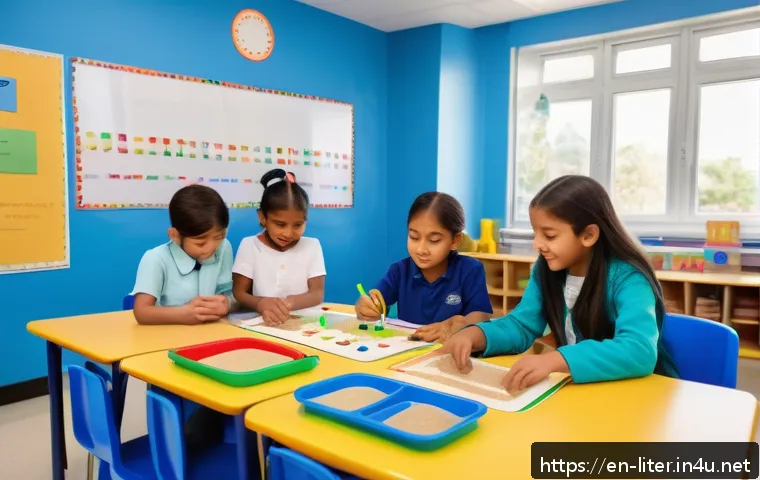
Visual tools such as schedules, checklists, or reminder charts can reinforce expectations and keep communication on track. For students who may have difficulty processing verbal instructions, seeing the plan laid out visually can improve understanding and independence.
I often use colorful charts that outline daily activities or communication protocols, which students reference throughout lessons. This small addition has made a big impact on their ability to manage tasks and participate actively.
Promoting Empathy and Patience in Every Exchange
Understanding the Learner’s Perspective
Empathy is the glue that holds effective communication together. Putting myself in my students’ shoes—considering their frustrations, fears, and hopes—has helped me tailor my approach to be more compassionate and effective.
Literacy challenges can be deeply personal, and recognizing that each learner’s journey is unique fosters a supportive environment. I often remind myself to celebrate small victories with students, which builds their confidence and trust over time.
Practicing Patience as a Continuous Commitment
Patience isn’t just a one-time act; it’s an ongoing commitment that requires self-awareness and resilience. I’ve learned that rushing through explanations or showing impatience can shut down communication and discourage effort.
Instead, allowing space for mistakes and providing repeated practice opportunities keeps motivation alive. Patience also means adapting to the learner’s pace, which sometimes means slowing down or revisiting concepts multiple times until they stick.
Modeling Empathetic Communication
As educators, our communication style sets the tone for the classroom. Modeling empathy—through kind words, active listening, and respectful responses—teaches students how to engage with others thoughtfully.
I make it a point to verbalize my thought process and emotions during interactions, which demystifies communication and encourages students to express themselves openly.
This modeling helps build a classroom culture where empathy is the norm, not the exception.
Tracking Progress Through Meaningful Dialogue
Using Conversations as Assessment Tools
Rather than relying solely on tests or quizzes, I’ve found that ongoing conversations with students provide rich insights into their literacy development.
These dialogues reveal not just what students know but how they think and process information. Asking reflective questions like “What strategies did you use to understand this text?” uncovers their problem-solving skills and areas needing support.
This approach makes assessment more dynamic and less intimidating.
Encouraging Student Self-Reflection
Helping students develop the habit of self-reflection empowers them to take charge of their learning. I often guide learners to evaluate their own progress by discussing what they find easy or challenging, and setting personal goals.
This metacognitive practice deepens their engagement and promotes a growth mindset. When students articulate their learning experiences, it also strengthens communication skills and self-awareness.
Documenting Progress Collaboratively
Keeping track of literacy growth is most effective when done collaboratively. I involve students in maintaining portfolios or journals that capture their work, feedback, and reflections.
Reviewing these together during conferences fosters a sense of accomplishment and clarifies next steps. This shared documentation process transforms assessment into a dialogue, reinforcing the partnership between educator and learner.
| Communication Strategy | Key Benefits | Practical Examples |
|---|---|---|
| Active Listening | Builds trust, uncovers hidden challenges | Paraphrasing, open-ended questions, nonverbal cues |
| Digital Tools Integration | Enhances engagement, supports diverse learning styles | Video calls, interactive quizzes, discussion boards |
| Adaptation to Learner Needs | Increases comprehension, respects cultural differences | Visual aids, storytelling, flexible communication methods |
| Clear Expectations & Routines | Reduces anxiety, promotes consistency | Co-created guidelines, visual schedules, predictable session flow |
| Empathy & Patience | Fosters supportive environment, encourages effort | Modeling empathy, allowing mistakes, celebrating small wins |
| Meaningful Dialogue for Assessment | Provides richer insights, promotes self-awareness | Reflective questions, student portfolios, progress conferences |
In Conclusion
Building strong communication with literacy learners is essential for their growth and confidence. By actively listening, adapting to their needs, and integrating thoughtful feedback, educators can create a supportive and engaging learning environment. Embracing digital tools alongside empathy and patience further enhances this connection. Ultimately, these strategies empower learners to take ownership of their progress and flourish.
Helpful Information to Remember
1. Active listening goes beyond hearing words; it involves understanding emotions and hidden challenges to build trust.
2. Choosing digital platforms that support multimedia and real-time interaction can make learning more dynamic and accessible.
3. Tailoring communication styles to individual preferences and cultural backgrounds fosters inclusion and better comprehension.
4. Establishing clear routines and co-created communication norms reduces anxiety and promotes consistent engagement.
5. Encouraging empathy and patience throughout interactions creates a positive atmosphere that motivates learners to persist.
Key Takeaways
Effective literacy communication relies on genuine engagement and flexibility. Prioritizing active listening helps uncover obstacles and supports tailored instruction. Combining technology with personal connection maintains warmth and accessibility. Clear expectations and empathetic patience build a safe, motivating space for learners. Finally, ongoing meaningful dialogue encourages self-reflection and collaborative progress tracking, making education a shared journey.
Frequently Asked Questions (FAQ) 📖
Q: uestionsQ1: How can literacy educators use digital tools to improve communication with students?
A: Digital tools offer a variety of ways to enhance communication, such as interactive reading apps, video conferencing platforms, and collaborative writing software.
From my experience, incorporating these tools allows educators to tailor feedback instantly and engage students in more dynamic discussions. For example, using a shared document where students can comment and ask questions in real-time creates a more interactive learning environment, fostering clearer understanding and stronger connections.
Q: What are some practical strategies for fostering empathetic communication in the literacy classroom?
A: Empathy begins with active listening and recognizing each student’s unique background and challenges. I’ve found that starting lessons with open-ended questions and encouraging students to share their thoughts without judgment builds trust.
Also, using language that validates their feelings and perspectives makes students feel heard and respected. Incorporating storytelling and reflective activities can deepen empathy, helping students connect not only with the material but also with each other.
Q: How does effective communication impact literacy outcomes for students?
A: Clear and empathetic communication directly influences students’ motivation and comprehension. When students feel understood and supported, they’re more likely to take risks in reading and writing, which accelerates their learning.
In my classroom, I noticed that students who received personalized, encouraging feedback showed significant improvement in literacy skills compared to those who experienced generic or unclear communication.
Ultimately, communication that builds rapport fosters a positive learning atmosphere where literacy growth thrives.