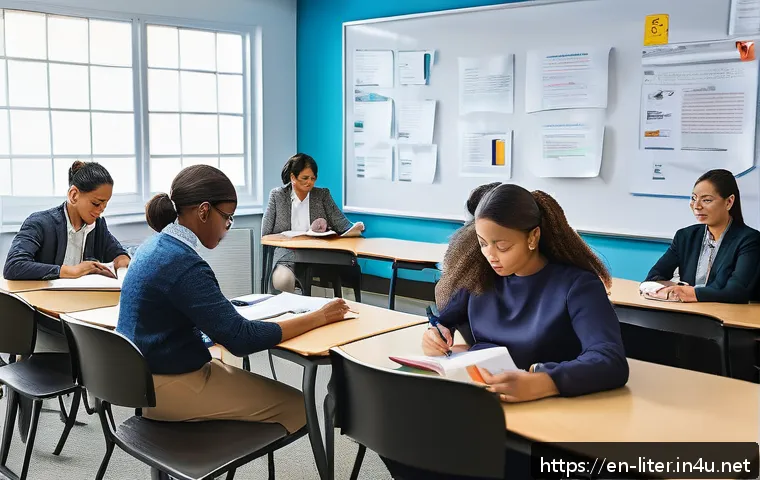
In today’s rapidly evolving educational landscape, understanding the latest learning theories is more crucial than ever for literacy educators striving to make a real impact.
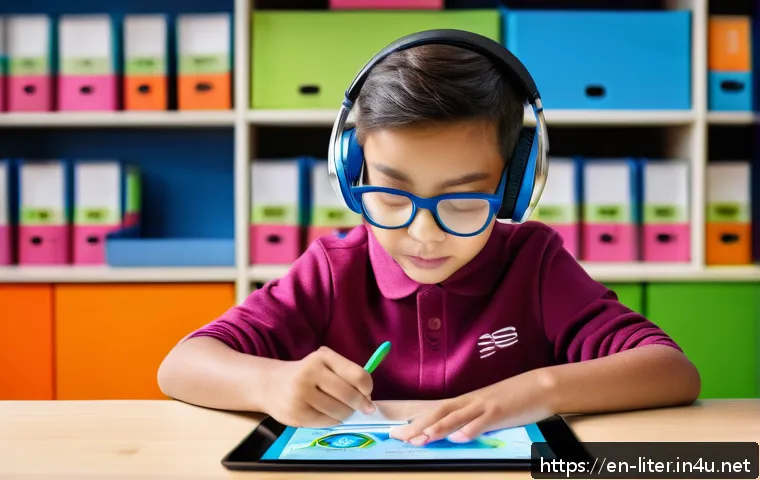
With new research shedding light on how students acquire reading and writing skills, teachers are equipped to tailor their methods more effectively than before.
If you’re passionate about unlocking fresh insights that can transform your classroom experience, you’re in the right place. Let’s dive into the cutting-edge findings that are reshaping literacy education and explore how these advancements can empower both educators and learners alike.
Stay tuned as we unpack strategies grounded in science and real-world application.
Embracing Cognitive Science to Enhance Literacy Instruction
Understanding How Memory Shapes Reading Skills
When we think about literacy, memory often doesn’t get the spotlight it deserves. Yet, cognitive science reveals that working memory and long-term memory play crucial roles in how students process and retain reading information.
For example, when kids decode words, they’re not just recognizing letters but also connecting them to sounds and meanings stored in memory. In my classroom experience, I noticed that students who struggled with reading often had limited working memory capacity, making it tough for them to hold and manipulate information while reading.
Incorporating exercises that strengthen working memory—like chunking information or using mnemonic devices—can really boost students’ ability to comprehend complex texts.
This approach transforms the way we view reading from a simple decoding task to a dynamic mental juggling act.
The Role of Metacognition in Developing Strong Readers
Metacognition, or “thinking about thinking,” is a game-changer in literacy education. Teaching students to be aware of their own understanding and to monitor their reading strategies leads to significant improvements.
I’ve seen firsthand how guiding students to ask themselves questions like “Do I understand this paragraph?” or “What should I do if I don’t know a word?” helps them become more independent learners.
This kind of self-regulation not only empowers students but also reduces frustration during reading sessions. Encouraging metacognitive reflection after reading can deepen comprehension and build lifelong skills that extend beyond the classroom.
How Processing Speed Affects Literacy Acquisition
Processing speed is another cognitive factor that influences how quickly and efficiently students can read and write. In practice, students with slower processing speeds might find it exhausting to keep up with lessons, which can hinder motivation.
By adjusting the pace of instruction and allowing extra time for these students, teachers can create a more inclusive environment. Additionally, using assistive technology or breaking down tasks into smaller steps can help accommodate different processing speeds.
Acknowledging and addressing this variability is key to ensuring no learner falls behind simply because of cognitive differences.
Leveraging Social Interaction to Boost Literacy Engagement
The Power of Collaborative Learning in Reading Groups
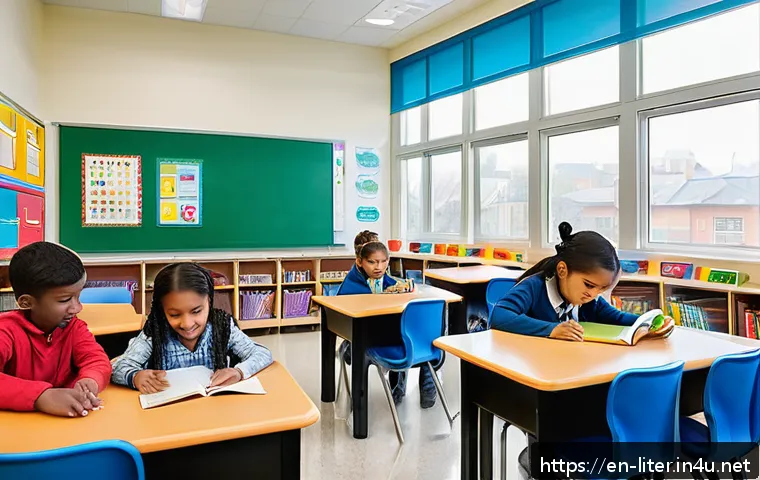
Social interaction plays an underrated role in literacy development. When students engage in group reading activities, they benefit from peer explanations, shared ideas, and collective problem-solving.
I’ve observed that students tend to stay more motivated and retain information better when they discuss texts with classmates. This social aspect creates a supportive learning atmosphere where students feel safe to express confusion and curiosity.
Structuring reading groups to mix abilities also encourages peer tutoring, which reinforces understanding for both the tutor and the learner.
How Dialogue Enhances Writing Skills
Writing often feels like a solitary task, but incorporating dialogue between students can enrich the process significantly. When learners exchange drafts and provide feedback, they develop a deeper awareness of their own writing choices and audience.
In my experience, setting up peer review sessions not only improves the quality of writing but also builds critical thinking and communication skills.
This interactive approach mirrors real-world writing situations and makes the activity more engaging and meaningful.
Using Storytelling to Foster Language and Literacy
Storytelling is a natural, intuitive way to enhance both language and literacy. By encouraging students to tell their own stories, educators tap into cultural backgrounds and personal experiences that make learning relevant and memorable.
I’ve found that integrating storytelling into lessons helps students connect emotionally with the material, boosting vocabulary acquisition and narrative skills.
Plus, it’s fun! Storytelling invites creativity and can be adapted for all ages and skill levels, making it a versatile tool in any literacy classroom.
Integrating Technology to Personalize Literacy Learning
Adaptive Reading Apps and Their Impact
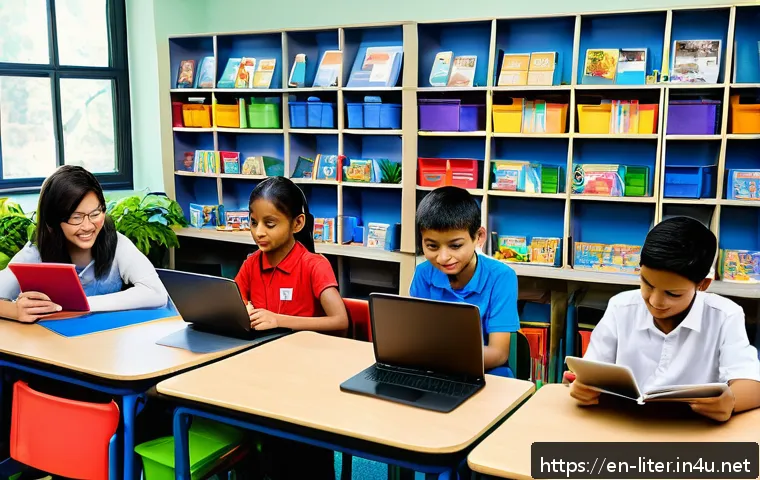
Technology offers incredible opportunities to tailor literacy instruction to individual needs. Adaptive reading apps, for instance, adjust difficulty levels based on student performance, providing just the right challenge without overwhelming learners.
From my use of these tools, I noticed they increase engagement by offering instant feedback and gamified elements that motivate continuous practice. These apps can also track progress, giving educators valuable data to inform instruction and interventions.
Digital Storybooks as a Multisensory Learning Aid
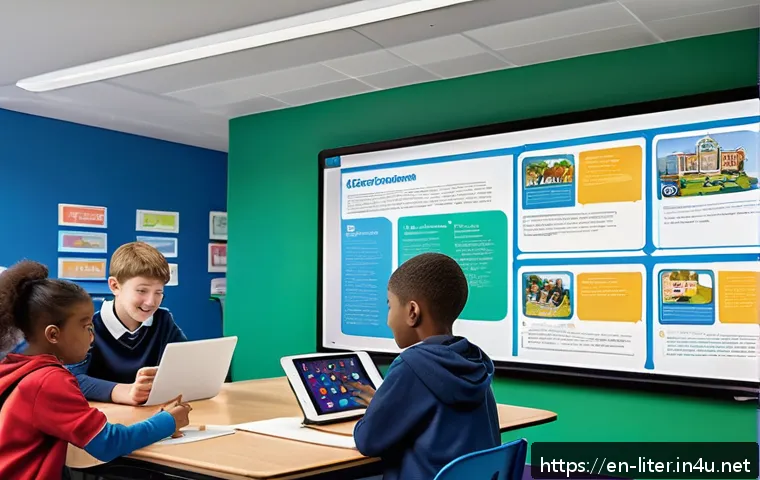
Digital storybooks combine text, audio, and visuals, creating a multisensory experience that supports diverse learning styles. When students hear a story while following along with highlighted text and images, it reinforces decoding and comprehension simultaneously.
In classrooms I’ve worked with, digital storybooks have been especially effective for English language learners and struggling readers, offering scaffolded support that traditional books alone can’t provide.
This multisensory engagement helps cement literacy concepts in a more accessible way.
Challenges and Considerations for Tech Integration
While technology can enhance literacy learning, it also presents challenges such as screen time management and ensuring equitable access. From my perspective, balance is essential.
Tech should complement, not replace, traditional reading and writing activities. Additionally, teachers need professional development to use digital tools effectively.
Thoughtful integration ensures technology serves as a bridge, not a barrier, to literacy success.
Understanding the Role of Motivation in Literacy Achievement
Intrinsic vs. Extrinsic Motivation in Reading
Motivation significantly influences how students approach literacy tasks. Intrinsic motivation—reading for pleasure or curiosity—often leads to deeper engagement and better outcomes than extrinsic motivators like grades or rewards.
I’ve seen that fostering a love for reading through choice and relevance can spark intrinsic motivation. Allowing students to pick books that interest them or connect to their lives creates a natural desire to read, making literacy development less of a chore and more of a passion.
Building a Positive Literacy Identity

Students’ beliefs about themselves as readers and writers affect their willingness to take risks and persist through challenges. Encouraging a growth mindset, where mistakes are seen as learning opportunities, helps build resilience.
In my teaching experience, celebrating small successes and sharing stories of famous authors’ struggles can inspire students to view literacy as an attainable skill rather than a fixed trait.
Creating a classroom culture that values effort and improvement nurtures confident, motivated learners.
Strategies to Sustain Long-Term Engagement
Sustaining motivation over time requires more than one-time interventions. Incorporating varied reading materials, interactive activities, and real-world connections keeps literacy learning fresh and relevant.
For example, linking reading to current events or students’ hobbies can maintain interest. Regular goal-setting and reflection sessions also help students see their progress and stay committed.
From what I’ve observed, consistent encouragement and meaningful choices are the pillars of long-term literacy engagement.
Applying Neuroscience Insights to Literacy Education
Brain Plasticity and Its Implications for Learning
Neuroscience confirms that the brain remains adaptable throughout life, which is incredibly hopeful for literacy educators. This plasticity means that even struggling readers can improve significantly with the right instruction and practice.
I’ve found that emphasizing consistent, targeted interventions helps rewire neural pathways associated with reading. This understanding encourages patience and persistence, reminding us that literacy development is a journey, not a quick fix.
The Impact of Stress on Reading and Writing Performance
Stress and anxiety can severely disrupt cognitive functions essential for literacy, such as attention and memory. In classrooms where students face high stress, reading difficulties often worsen.
From personal experience, incorporating mindfulness and relaxation techniques before literacy activities can improve focus and reduce frustration. Creating a safe and supportive environment is vital to help students manage stress and perform at their best.
Using Multisensory Approaches to Stimulate Neural Connections
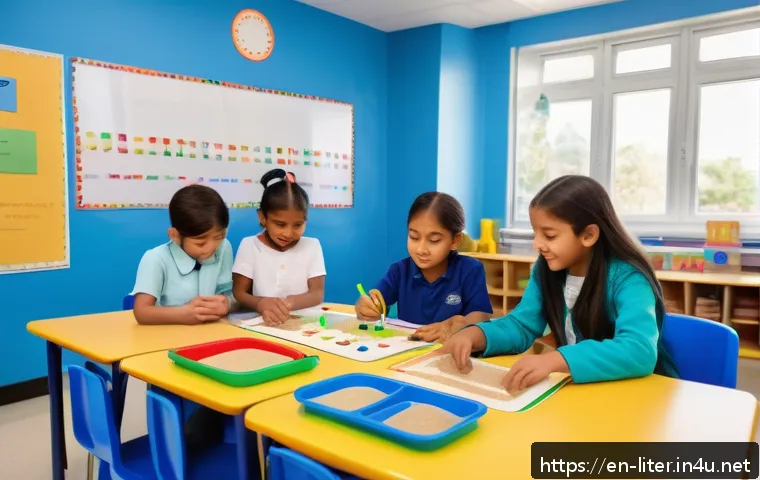
Engaging multiple senses during literacy instruction—through sight, sound, touch, and movement—can enhance learning by activating different brain regions simultaneously.
For example, using letter tiles, tracing letters in sand, or pairing sounds with gestures has proven effective in my teaching practice. These multisensory techniques support memory retention and make abstract concepts more concrete, especially for young or struggling learners.
Tailoring Instruction to Diverse Learners in the Literacy Classroom
Addressing Language Differences and Dialects
Recognizing and valuing linguistic diversity is essential in literacy education. Students who speak different dialects or languages bring unique strengths but may also face challenges when standardized literacy instruction ignores their backgrounds.
I’ve learned that incorporating culturally responsive teaching practices, such as acknowledging home language and connecting it to academic language, promotes inclusivity and better learning outcomes.
This approach respects students’ identities while building essential literacy skills.
Supporting Students with Learning Disabilities
Students with dyslexia, ADHD, or other learning disabilities require specialized strategies to thrive in literacy. Structured, explicit instruction combined with assistive technology can make a huge difference.
I’ve worked with learners who, once given targeted support like phonics-based programs and organizational tools, made remarkable progress. Collaboration with specialists and ongoing assessment ensure instruction meets each learner’s needs effectively.
Fostering Equity Through Differentiated Instruction
Differentiated instruction tailors teaching methods and materials to accommodate varying abilities and interests. In practice, this means offering multiple pathways to literacy mastery—whether through visual aids, hands-on activities, or oral storytelling.
I’ve found that flexible grouping and personalized feedback keep all students engaged and challenged appropriately. Equity in literacy education means recognizing that one size does not fit all and designing instruction that honors individual learner profiles.
Comparing Learning Theories: Practical Applications in Literacy Education
| Learning Theory | Core Principle | Application in Literacy | Strengths | Limitations |
|---|---|---|---|---|
| Behaviorism | Learning through reinforcement and repetition | Using drills and phonics practice to reinforce reading skills | Clear structure, easy to measure progress | May neglect comprehension and critical thinking |
| Cognitivism | Focus on mental processes like memory and problem-solving | Teaching decoding strategies and metacognitive skills | Enhances deep understanding and self-regulation | Can be abstract, requiring careful scaffolding |
| Constructivism | Learning as active construction of knowledge through experience | Encouraging students to create stories and explore texts collaboratively | Promotes engagement and critical thinking | Less structured, may challenge some learners |
| Social Learning Theory | Learning through observation and interaction with others | Using peer discussions and modeling writing behaviors | Builds communication skills and motivation | Depends on quality of social environment |
| Neuroscience-Based Approaches | Instruction aligned with brain development and plasticity | Multisensory teaching and stress reduction techniques | Supports diverse learners and long-term growth | Requires teacher training and resources |
Conclusion
Integrating insights from cognitive science, social interaction, technology, and neuroscience can transform literacy instruction into a more effective and engaging process. Tailoring teaching to diverse learners and fostering motivation are essential for lasting success. By applying these evidence-based strategies, educators can empower students to become confident, lifelong readers and writers.
Useful Information to Remember
1. Strengthening working memory through targeted exercises enhances reading comprehension and information retention.
2. Encouraging metacognitive strategies helps students become independent learners who can self-monitor their understanding.
3. Adaptive technology tools personalize learning experiences and provide immediate feedback to keep students motivated.
4. Building a positive literacy identity and nurturing intrinsic motivation increase students’ engagement and perseverance.
5. Multisensory instruction and stress management techniques support brain plasticity and optimize literacy development.
Key Takeaways
Effective literacy education requires a holistic approach that considers cognitive abilities, social dynamics, motivational factors, and neuroscience principles. Differentiated instruction and culturally responsive practices ensure equity and inclusivity. Additionally, balancing traditional methods with technology integration maximizes learning outcomes. Ultimately, fostering a supportive environment where students feel empowered is the cornerstone of literacy success.
Frequently Asked Questions (FAQ) 📖
Q: What are the most recent learning theories influencing literacy education today?
A: Recent learning theories emphasize a more integrated approach combining cognitive science, social interaction, and technology. For example, the Simple View of Reading, which breaks down reading into decoding and language comprehension, remains foundational, but now it’s paired with insights from neuroeducation showing how brain plasticity supports skill development.
Additionally, sociocultural theories highlight the role of community and dialogue in literacy acquisition, encouraging collaborative learning environments.
Digital literacy theories also come into play as educators recognize the importance of navigating multimedia texts. These combined perspectives help teachers design lessons that address diverse learner needs more effectively.
Q: How can teachers apply these new theories practically in their classrooms?
A: From my experience, the key is blending theory with hands-on strategies. For instance, using explicit phonics instruction alongside rich conversations about texts taps into both decoding and comprehension skills.
Encouraging group discussions or peer feedback sessions leverages sociocultural theory, making learning more interactive and meaningful. Integrating digital tools like interactive e-books or writing apps supports students in building 21st-century literacy skills.
Also, ongoing assessment tailored to individual progress, rather than one-size-fits-all tests, allows teachers to adjust methods in real-time. When I tried incorporating these elements, student engagement and confidence noticeably improved.
Q: What benefits can educators and students expect by adopting these cutting-edge literacy approaches?
A: Implementing these contemporary approaches can lead to deeper understanding and stronger literacy outcomes. Educators often find their teaching becomes more responsive and fulfilling because they can see tangible growth in students’ abilities.
Students, on the other hand, gain not only improved reading and writing skills but also critical thinking, collaboration, and digital fluency. These skills prepare them for academic success and real-world challenges.
Personally, I’ve witnessed classrooms transform into dynamic spaces where students feel empowered to express themselves and tackle complex texts with enthusiasm, making literacy both accessible and exciting.