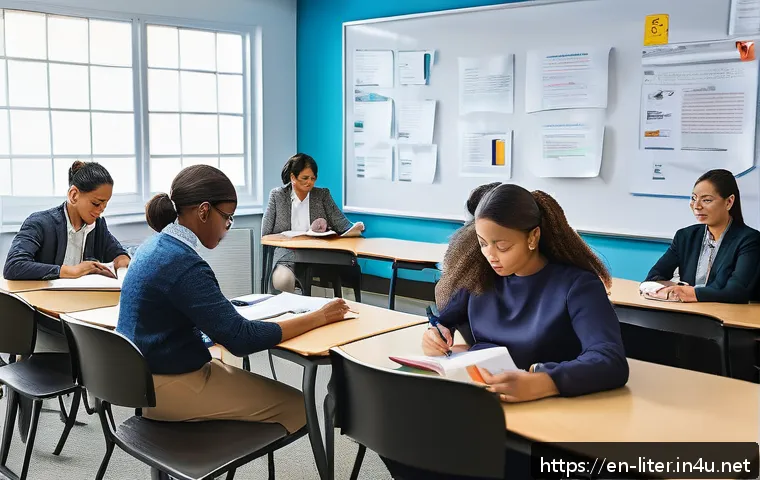
In today’s rapidly evolving educational landscape, understanding the core literacy skills that truly empower modern learners is more important than ever.
With digital media reshaping how we read, write, and communicate, educators face new challenges and opportunities to nurture these essential abilities.
I’ve spent countless hours exploring practical strategies that make literacy instruction both engaging and effective for diverse classrooms. Whether you’re a seasoned teacher or just starting out, unlocking these insights can transform the way students connect with texts and ideas.
Let’s dive into the key skills shaping literacy today and discover how they prepare learners for a complex, information-rich world. This journey promises fresh perspectives that you won’t want to miss.
Expanding Literacy Beyond Traditional Reading and Writing
Integrating Multimedia for Deeper Comprehension
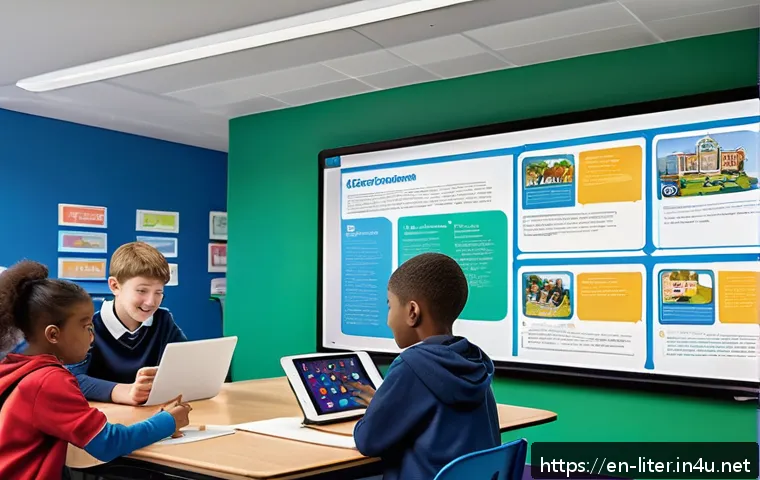
In today’s classrooms, literacy isn’t confined to just printed text anymore. Students are interacting with videos, podcasts, infographics, and interactive websites, all of which demand a different set of skills to decode and analyze information.
From my experience, when learners engage with multimedia content, they develop a richer understanding because they’re piecing together audio, visual, and textual cues simultaneously.
This multisensory approach supports varied learning styles, making literacy instruction more inclusive and dynamic. Teachers who embrace this diversity in media see students becoming more critical consumers of information, not just passive readers.
Critical Thinking in Evaluating Digital Content
One of the biggest challenges I’ve noticed is helping students sift through the overwhelming amount of online information. Critical literacy skills are essential here—learners must question the source, purpose, and bias behind digital content.
Encouraging students to ask “Who created this?”, “Why was it created?”, and “What perspectives might be missing?” fosters a mindset that goes beyond surface reading.
Personally, I’ve seen how role-playing as fact-checkers or digital detectives sparks curiosity and sharpens judgment, which are vital skills in an era of misinformation.
Encouraging Expression Through New Forms of Writing
Writing today extends far beyond essays and reports. Blogs, social media posts, video scripts, and even memes require learners to adapt their voice and style to different audiences and platforms.
I’ve found that when students experiment with these formats, they become more engaged and confident writers. They learn how tone, brevity, and visuals can influence meaning, which is crucial for effective communication.
This versatility not only prepares them for academic success but also equips them for real-world interactions.
Building Digital Navigation Skills for Lifelong Learning
Mastering Search Strategies for Reliable Information
Knowing how to use search engines effectively is a fundamental literacy skill that I consider often overlooked. Students frequently rely on the first few results without refining their queries or evaluating sources.
From my teaching experience, guiding learners to use specific keywords, Boolean operators, and filters transforms their ability to find accurate and relevant information.
This skill is foundational for academic research and everyday problem-solving, making learners more autonomous and resourceful.
Understanding Online Privacy and Ethical Use
Digital literacy also encompasses understanding privacy settings, data protection, and responsible sharing. I’ve observed that students who grasp these concepts not only protect themselves but also develop respect for others’ digital footprints.
Discussions around ethical use of information, plagiarism, and respectful online behavior contribute to a healthier digital community. These lessons often resonate deeply when linked to real-life scenarios, such as managing social media profiles or navigating online collaborations.
Utilizing Digital Tools to Support Learning
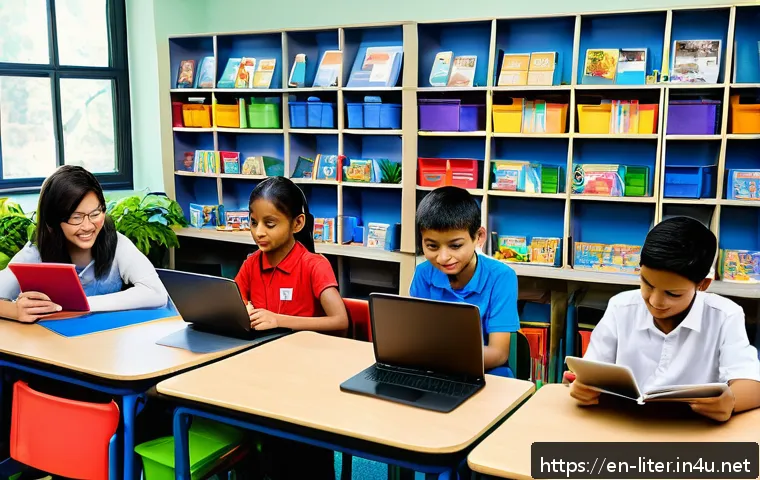
There’s a growing range of apps and platforms designed to support literacy development—from note-taking tools to collaborative writing spaces and reading comprehension apps.
I’ve personally integrated tools like digital annotation software and voice-to-text features in my practice, and the impact has been remarkable. These technologies empower students with diverse needs and learning preferences, making literacy more accessible and personalized.
Encouraging learners to explore and adopt these tools fosters independence and innovation.
Fostering Cultural and Linguistic Awareness Through Literacy
Embracing Multilingual Resources in the Classroom
In multicultural settings, recognizing students’ home languages as assets rather than barriers enriches the literacy experience. I’ve found that incorporating bilingual texts, dual-language dictionaries, and culturally relevant stories not only validates students’ identities but also deepens comprehension.
This approach bridges gaps and builds connections between languages, enhancing cognitive flexibility. It’s rewarding to witness students gain pride in their backgrounds while improving literacy skills.
Promoting Critical Discussions on Representation
Literacy also involves understanding whose stories are told and whose voices are missing. Engaging students in conversations about diversity, equity, and representation within texts encourages empathy and social awareness.
I often incorporate texts from a variety of cultural perspectives and invite students to critique stereotypes or biases they encounter. This critical engagement empowers learners to become thoughtful readers and socially conscious citizens.
Encouraging Creative Expression Rooted in Identity
When learners are invited to create texts that reflect their experiences and cultures, literacy becomes a powerful tool for self-expression and empowerment.
Through personal narratives, poetry, or digital storytelling, students connect deeply with language. I’ve seen firsthand how this authenticity boosts motivation and confidence, making literacy instruction more meaningful and transformative.
Developing Collaborative Literacy Practices
Engaging in Peer Review and Group Discussions
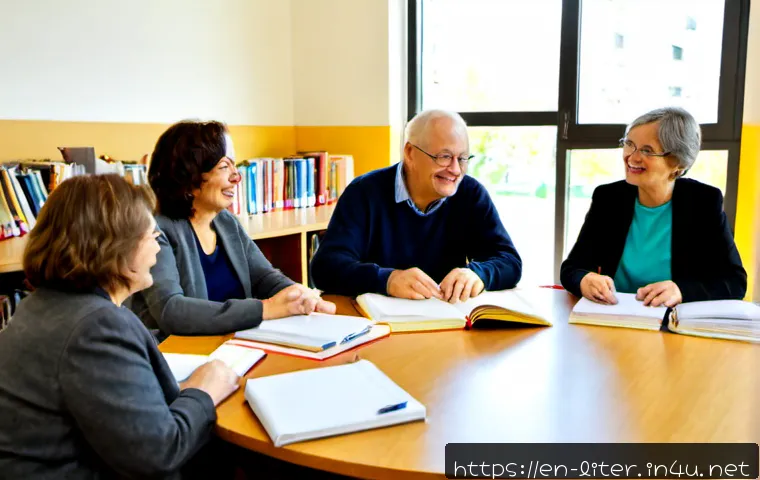
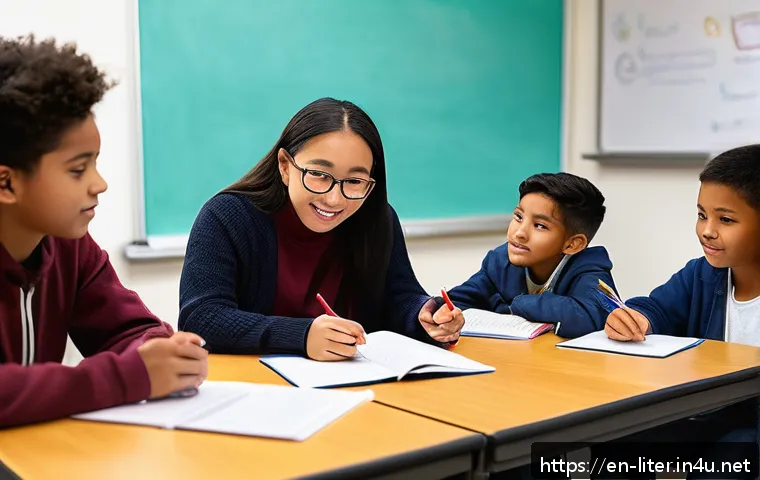
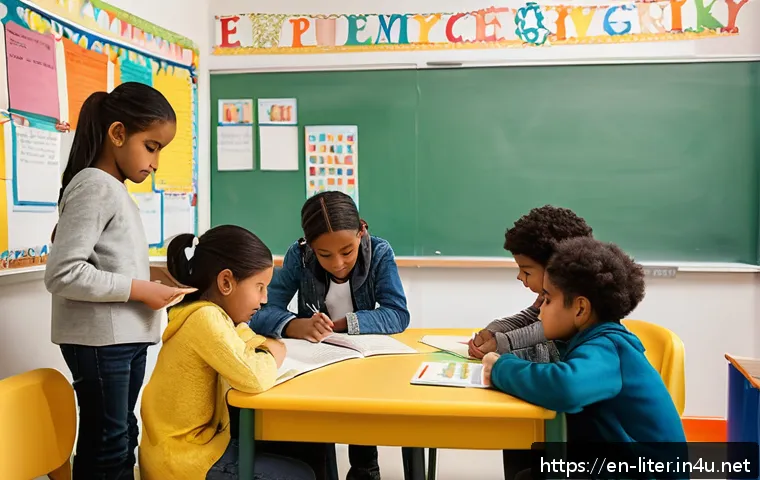
Collaboration is a key component of modern literacy. Facilitating peer feedback sessions and group discussions encourages students to articulate their ideas clearly and listen actively.
From my experience, these interactions improve critical thinking and communication skills. Students learn to negotiate meaning, respect differing viewpoints, and refine their own understanding through dialogue.
This social aspect of literacy nurtures a supportive learning environment.
Utilizing Collaborative Technologies
Tools like shared documents, discussion boards, and project management apps enable students to co-construct knowledge and co-author texts seamlessly. I’ve integrated platforms such as Google Docs and Padlet, which have transformed how students collaborate asynchronously and synchronously.
These tools not only streamline communication but also teach digital etiquette and teamwork skills essential in academic and professional contexts.
Balancing Individual and Collective Literacy Goals
While collaboration is valuable, it’s important to maintain a balance with individual accountability. I encourage learners to set personal literacy goals alongside group objectives, fostering self-regulation and reflection.
This dual focus helps students recognize their unique strengths and areas for growth while contributing meaningfully to collective tasks. It’s a dynamic approach that prepares learners for varied literacy demands.
Enhancing Emotional Intelligence Through Literacy
Reading to Understand Emotions and Perspectives
Literacy isn’t just about decoding words; it’s also about interpreting feelings and viewpoints. Literature and narratives provide windows into diverse emotional landscapes.
I’ve noticed that when students analyze characters’ motivations and conflicts, they develop empathy and emotional insight. These skills are crucial for social interactions and personal growth, making literacy a vehicle for emotional intelligence.
Writing as a Tool for Emotional Expression and Reflection
Journaling, poetry, and expressive writing offer students safe spaces to explore and articulate their emotions. I’ve witnessed how this practice can reduce anxiety and improve self-awareness.
Encouraging students to reflect on their experiences through writing supports mental health and resilience. It also strengthens their ability to communicate complex feelings, which is vital in both personal and academic contexts.
Building Classroom Communities Through Shared Stories
Sharing personal narratives fosters a sense of belonging and trust within the classroom. I make it a point to create opportunities for students to share and listen respectfully, which builds emotional bonds and cultural understanding.
This collective storytelling not only enhances literacy but also cultivates a supportive environment where every voice matters.
Essential Literacy Skills at a Glance
| Skill | Description | Practical Classroom Application |
|---|---|---|
| Multimedia Literacy | Ability to interpret and create content across various media formats. | Integrate videos, podcasts, and interactive texts into lessons. |
| Critical Evaluation | Assessing credibility, bias, and purpose of information sources. | Teach fact-checking and source analysis exercises. |
| Digital Navigation | Effective use of search engines and digital tools for research. | Guide students in advanced search techniques and tool usage. |
| Cultural Responsiveness | Recognition and incorporation of diverse languages and perspectives. | Use bilingual materials and culturally relevant texts. |
| Collaborative Literacy | Working with others to create and interpret texts. | Facilitate peer reviews and collaborative projects using digital platforms. |
| Emotional Literacy | Understanding and expressing emotions through reading and writing. | Incorporate reflective writing and empathy-building activities. |
Adapting Literacy Instruction for Diverse Learners
Personalizing Learning Paths
Every student brings unique strengths and challenges to literacy learning. From my practice, tailoring instruction through differentiated tasks, scaffolding, and flexible pacing makes a huge difference.
For instance, some learners benefit from graphic organizers, while others thrive with oral storytelling. Personalization respects individual needs and fosters confidence, encouraging students to take ownership of their literacy journey.
Incorporating Assistive Technologies
Assistive tools like screen readers, speech-to-text software, and adjustable text settings can remove barriers for learners with disabilities. I’ve seen these technologies transform students’ engagement and performance, making literacy more accessible.
Training students to use these tools empowers them to overcome challenges and participate fully in learning activities.
Supporting Multimodal Literacy Development
Recognizing that literacy involves multiple modes—visual, auditory, kinesthetic—has reshaped my instructional approach. Incorporating activities like drama, art, and music alongside reading and writing enriches learning experiences.
These multimodal strategies engage different brain pathways, helping learners internalize concepts and express understanding creatively.
Preparing Students for Literacy in the Workplace and Beyond
Communicating Effectively in Professional Contexts
Workplace literacy demands clarity, conciseness, and adaptability. I encourage students to practice writing emails, reports, and presentations tailored to specific audiences.
Developing these skills early builds confidence and professionalism. Role-playing workplace scenarios also helps learners navigate real-world communication challenges.
Managing Information Overload
In professional settings, filtering and prioritizing information is crucial. I’ve taught students strategies like summarizing key points, organizing data visually, and setting information priorities.
These habits reduce overwhelm and improve decision-making. They’re essential for success in fast-paced, information-dense environments.
Continuing Literacy Growth Independently
Lifelong learning hinges on maintaining and expanding literacy skills beyond formal education. Encouraging habits like reading widely, engaging with diverse media, and reflecting critically keeps literacy sharp.
I often share resources and tools that support ongoing development, fostering curiosity and adaptability that serve learners throughout life.
Conclusion
Expanding literacy beyond traditional reading and writing opens up a world of possibilities for learners. By embracing multimedia, critical thinking, cultural awareness, and emotional intelligence, we prepare students for meaningful communication in diverse contexts. Literacy today is dynamic and multifaceted, reflecting the complex demands of the modern world. Empowering learners with these skills fosters confidence, creativity, and lifelong engagement.
Helpful Information
1. Multimedia literacy enhances comprehension by engaging multiple senses and learning styles.
2. Critical evaluation skills are essential to navigate the vast and varied digital information landscape.
3. Personalized and assistive learning tools make literacy accessible to diverse learners.
4. Collaborative and emotional literacy practices build stronger communication and social skills.
5. Preparing students for real-world literacy ensures they can adapt and thrive beyond the classroom.
Key Takeaways
Modern literacy goes far beyond reading and writing; it includes digital navigation, cultural responsiveness, and emotional understanding. Integrating various media and encouraging critical thinking equips learners to analyze and create content effectively. Personalized instruction and assistive technologies support diverse needs, while collaborative practices foster community and shared growth. Ultimately, literacy development prepares individuals not only for academic success but also for meaningful participation in society and the workplace.
Frequently Asked Questions (FAQ) 📖
Q: uestionsQ1: What are the core literacy skills essential for today’s learners?
A: Core literacy skills today go beyond traditional reading and writing. They include digital literacy, critical thinking, media analysis, and effective communication across multiple platforms.
Students need to be able to evaluate online sources, interpret multimedia content, and express their ideas clearly both in writing and verbally. From my experience working with diverse classrooms, integrating technology with classic literacy practices helps students become confident, adaptable readers and communicators ready for the complexities of the modern information landscape.
Q: How can educators make literacy instruction more engaging and relevant?
A: Engagement happens when lessons connect with students’ real lives and interests. Using interactive digital tools, collaborative projects, and authentic texts like blogs or social media posts makes literacy feel alive and meaningful.
I’ve found that encouraging students to create their own content—whether through videos, podcasts, or digital storytelling—boosts motivation and deepens understanding.
Also, incorporating discussions about current events or pop culture helps learners see literacy as a dynamic skill tied to their world, not just school assignments.
Q: What challenges do teachers face when teaching literacy in a digital age, and how can they overcome them?
A: One big challenge is the overwhelming amount of information students encounter online, which can lead to misinformation or shallow reading habits. Teachers often struggle with balancing screen time and traditional literacy skills.
From my observations, the key is teaching students how to critically assess sources and practice mindful reading strategies. Providing clear guidance on digital etiquette and encouraging reflective discussions about media helps students navigate digital spaces responsibly.
Professional development focused on digital literacy tools also empowers educators to stay current and confident in their instruction.