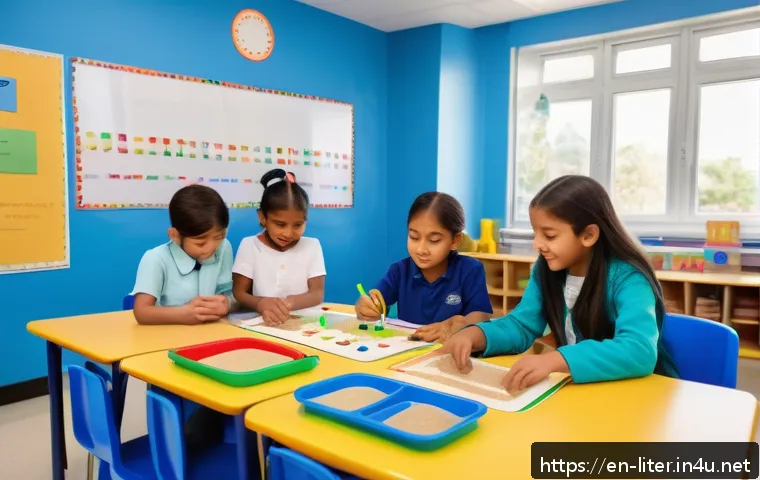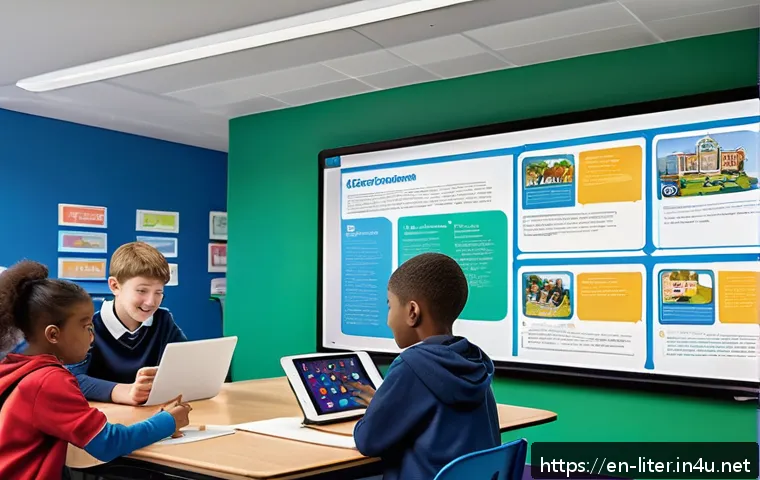
In today’s fast-paced digital world, educators are constantly seeking innovative ways to captivate their students and boost learning outcomes. With AI technologies evolving at lightning speed, literacy teachers are discovering powerful tools that transform everyday classroom routines into dynamic, personalized experiences.
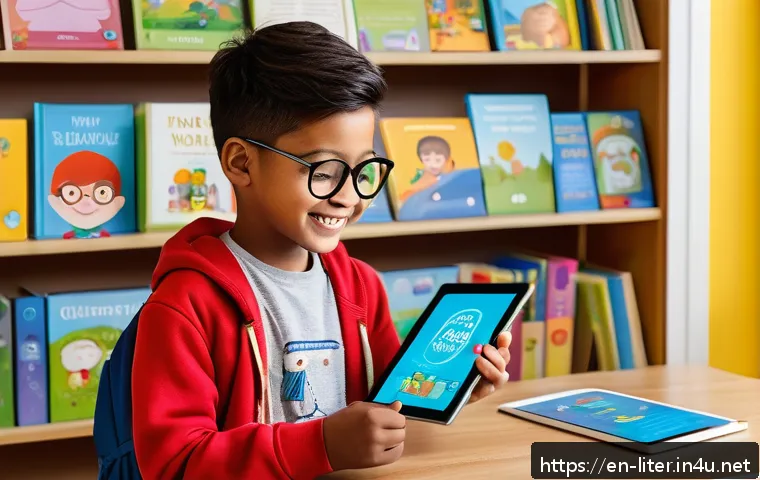
From adaptive reading programs to real-time feedback systems, AI is reshaping how educators engage learners and address diverse needs. If you’ve ever wondered how cutting-edge tech can breathe new life into literacy instruction, you’re in the right place.
Let’s dive into the exciting ways AI is revolutionizing the daily practices of literacy educators and making learning more engaging than ever before.
Personalizing Literacy Instruction Through AI Insights
Adaptive Learning Paths Tailored to Each Student
One of the most impressive advances AI brings to literacy education is the ability to craft personalized learning journeys for every student. Instead of a one-size-fits-all curriculum, AI-driven platforms analyze a learner’s reading level, vocabulary strength, and comprehension patterns to dynamically adjust the difficulty and content.
From my experience working with such systems, this customization not only keeps students motivated but also helps prevent frustration from material that’s too easy or too challenging.
It’s like having a personal tutor who constantly gauges where you are and pushes just enough to keep you growing. Educators can then focus on targeted interventions, knowing the AI is handling the day-to-day adjustments.
Real-Time Feedback That Boosts Confidence
In traditional classrooms, feedback often comes hours or even days after assignments are submitted, which can dull a student’s enthusiasm. AI tools equipped with natural language processing offer immediate, actionable feedback on reading fluency, pronunciation, and even writing mechanics.
I’ve seen students light up when they hear instant encouragement or pinpointed suggestions for improvement right after reading aloud or completing a writing exercise.
This immediacy strengthens learning loops and helps students internalize corrections more effectively. Plus, teachers can monitor progress in real time and tailor their support without waiting for grading cycles.
Engagement Through Gamified Literacy Experiences
Motivation is key when it comes to literacy development, especially for reluctant readers. AI-powered apps often incorporate gamification elements—like earning badges, unlocking new levels, or competing in friendly challenges—that transform learning into an immersive experience.
From my observations, these features tap into students’ natural desire for achievement and social interaction. When literacy tasks feel like play rather than work, kids are more willing to invest time and effort.
This approach also allows educators to integrate fun without sacrificing educational rigor, creating a balanced learning environment.
Enhancing Assessment Accuracy and Efficiency with AI
Automated Reading Comprehension Evaluations
Assessing comprehension through traditional tests can be time-consuming and sometimes subjective. AI tools now offer automated evaluations that analyze student responses to open-ended questions, summaries, or even discussions.
These systems use complex algorithms to assess depth of understanding, theme identification, and inference skills. From my firsthand use, this not only saves teachers countless hours but also provides consistent, unbiased assessments that can be tracked over time to identify trends and areas for improvement.
The detailed analytics allow educators to intervene early and adjust instruction to better meet learner needs.
Streamlining Progress Monitoring with Data Dashboards
AI platforms often include comprehensive dashboards that aggregate student data into easy-to-read visuals, such as graphs and heat maps. These tools help educators quickly spot students who are excelling or struggling without wading through piles of paperwork.
In my experience, having this kind of accessible data makes parent-teacher conferences more productive and supports data-driven decision-making. It also promotes transparency and collaboration among teaching teams, ensuring that everyone is aligned on student goals and strategies.
Reducing Bias in Literacy Assessments
Traditional assessments can inadvertently reflect cultural or linguistic biases that disadvantage some students. AI-powered assessments, when carefully designed and regularly updated, can mitigate these issues by offering more objective scoring criteria and diverse content examples.
I’ve noticed that this creates a fairer learning environment where students from different backgrounds feel their abilities are accurately recognized.
This shift not only improves student confidence but also helps schools meet equity goals more effectively.
Supporting Diverse Learners with AI-Driven Tools
Multisensory Learning Aids for Varied Needs
Literacy educators often face the challenge of supporting students with different learning styles and needs. AI-powered tools can provide multisensory experiences—combining text, audio, visuals, and interactive elements—to reinforce understanding.
For example, text-to-speech features help auditory learners, while highlighting and annotation tools assist visual learners. Having personally tested these features in classrooms with students who have dyslexia or attention difficulties, I found they fostered greater engagement and comprehension.
The flexibility AI offers means educators can better meet individual needs without reinventing lesson plans daily.
Language Support for English Language Learners
AI has proven invaluable for English Language Learners (ELLs) by offering instant translation, pronunciation guides, and contextual vocabulary explanations.
These supports help ELL students navigate complex texts and participate more confidently in discussions. From conversations with teachers who’ve integrated AI into their ELL programs, I understand that these tools reduce frustration and accelerate language acquisition.
Additionally, AI analytics can track progress in language proficiency, helping educators tailor interventions precisely.
Promoting Inclusive Literacy with Speech Recognition
Speech recognition technology powered by AI allows students who struggle with writing or typing to express their ideas verbally. This feature is especially beneficial for learners with physical disabilities or fine motor challenges.
I’ve witnessed how speech-to-text tools empower students to participate fully in literacy activities, ensuring their voices are heard and their skills nurtured.
Moreover, educators can review transcriptions to assess content and provide targeted feedback, enhancing inclusivity and engagement.
Fostering Teacher Creativity and Efficiency Through AI Assistance
Generating Customized Lesson Plans and Materials
Creating lesson plans that cater to diverse learners can be overwhelming. AI tools now assist by generating tailored reading passages, comprehension questions, and vocabulary lists based on curriculum standards and student data.
I’ve found these AI-generated resources to be a huge time-saver, allowing me to focus more on delivering engaging instruction rather than getting bogged down in preparation.
The materials are often adaptable, enabling quick tweaks to match classroom dynamics.
Automating Administrative Tasks to Free Up Time
Grading, attendance tracking, and progress reporting are necessary but time-consuming. AI-powered systems automate many of these administrative duties with impressive accuracy.
From my practical use, this automation reduces teacher burnout and creates more room for meaningful student interaction. The efficiency gained means educators can dedicate more energy to creative lesson design and individualized support, ultimately benefiting student outcomes.
Professional Development Through AI Insights
AI platforms often include reflective tools that analyze teaching practices based on student engagement and performance data. These insights help educators identify strengths and areas for growth, supporting ongoing professional development.

I’ve found that integrating this feedback loop encourages continuous improvement and innovation in literacy instruction. Teachers can experiment with new strategies, measure impact, and refine methods with confidence.
Building Collaborative Learning Communities Enabled by AI
Connecting Students Across Classrooms and Regions
AI-driven platforms facilitate collaborative projects by connecting students beyond the physical classroom. Whether it’s a shared reading challenge or a virtual book club, these connections foster peer learning and cultural exchange.
From what I’ve observed, students become more motivated when they know their work is part of a broader community. This social dimension enriches literacy experiences and builds communication skills.
Supporting Peer Feedback and Group Learning
AI tools can guide students in giving constructive peer feedback by providing prompts and evaluation criteria. This scaffolding helps learners develop critical thinking and communication skills.
I’ve seen classrooms where AI-mediated peer review encourages deeper engagement with texts and collaborative problem-solving. Teachers benefit too, as AI highlights common themes or misunderstandings for whole-class discussion.
Facilitating Teacher Collaboration and Resource Sharing
Beyond student interactions, AI platforms often enable educators to share lesson plans, assessment tools, and best practices. This collaborative environment fosters professional growth and resource efficiency.
In my experience, having access to a rich repository of AI-curated materials and teacher insights transforms isolated teaching into a vibrant, supportive network.
Key Features of AI Tools Revolutionizing Literacy Education
| Feature | Benefit | Typical Application | Impact on Teaching |
|---|---|---|---|
| Adaptive Learning Algorithms | Personalizes content difficulty and pacing | Reading apps that adjust text complexity | Enhances student engagement and progress tracking |
| Natural Language Processing (NLP) | Provides instant feedback on reading and writing | Automated essay scoring and fluency assessment | Saves grading time and improves feedback quality |
| Speech Recognition | Enables voice-to-text input and pronunciation help | Assistive technology for students with disabilities | Promotes inclusion and student confidence |
| Gamification Elements | Increases motivation through rewards and challenges | Interactive literacy games and quizzes | Makes learning enjoyable and sustained |
| Data Dashboards | Visualizes student progress and areas needing support | Teacher portals summarizing class performance | Supports data-driven instruction and intervention |
Addressing Challenges and Ethical Considerations in AI Use
Ensuring Data Privacy and Security
With AI collecting extensive student data, safeguarding privacy is paramount. Educators must ensure that platforms comply with regulations like FERPA and that data is encrypted and accessible only to authorized users.
From my conversations with school administrators, transparency with parents and students about data use is critical to building trust and acceptance of AI tools.
Maintaining Human Connection in AI-Driven Classrooms
While AI provides powerful support, it cannot replace the empathy and intuition of human teachers. It’s essential to balance technology use with personal interactions to nurture emotional and social development.
I’ve found that blending AI with face-to-face engagement creates the most effective learning environment, where technology amplifies rather than replaces the teacher’s role.
Addressing Equity in Access and Implementation
Not all schools have equal access to advanced AI tools, which can widen achievement gaps. Educators and policymakers need to advocate for equitable distribution of resources and provide training to maximize the benefits of AI for all students.
From my experience volunteering in under-resourced schools, even simple AI applications can have profound impacts when thoughtfully integrated.
Future Directions: AI’s Growing Role in Literacy Education
Integrating Emotional Recognition for Deeper Engagement
Emerging AI technologies are beginning to analyze facial expressions and voice tone to gauge student emotions during learning. This could help educators identify frustration or boredom early and adjust instruction in real time.
I’m excited about the potential for such empathetic AI to make literacy education more responsive and supportive.
Expanding Multilingual and Cross-Cultural Literacy Support
As classrooms become increasingly diverse, AI’s capacity to handle multiple languages and cultural contexts will be invaluable. Tools that adapt texts and assessments to reflect students’ backgrounds can foster inclusivity and relevance.
I believe this trend will enhance global literacy initiatives and classroom harmony.
Collaborative AI and Teacher Partnerships
The future likely holds deeper collaboration between AI systems and educators, where AI acts as an intelligent assistant offering insights and suggestions while teachers provide creativity and judgment.
From my perspective, this synergy will unlock new possibilities for personalized, effective literacy instruction that adapts fluidly to each learner’s journey.
Conclusion
AI is transforming literacy education by offering personalized, engaging, and efficient learning experiences for both students and educators. Its ability to adapt to diverse needs and provide real-time support makes it a powerful ally in fostering reading and writing skills. Embracing AI thoughtfully can enhance instruction while preserving the essential human connection in classrooms.
Useful Information to Keep in Mind
1. AI-driven adaptive learning tailors reading materials to each student’s unique level, helping maintain motivation and steady progress.
2. Immediate feedback from AI tools boosts learner confidence and accelerates skill improvement through timely corrections.
3. Gamification elements in literacy apps increase student engagement by turning learning into an enjoyable, interactive experience.
4. Data dashboards enable educators to monitor student progress efficiently, supporting timely interventions and informed decision-making.
5. Ensuring data privacy and equitable access to AI resources is crucial for building trust and providing fair learning opportunities for all students.
Key Takeaways
AI enhances literacy education by personalizing instruction, streamlining assessments, and supporting diverse learner needs through multisensory and language assistance tools. While it automates administrative tasks and offers valuable insights for teachers, maintaining a balanced human-AI partnership is essential to nurture emotional growth and inclusivity. Thoughtful integration of AI can bridge gaps and empower both students and educators to achieve better literacy outcomes.
Frequently Asked Questions (FAQ) 📖
Q: uestions about
A: I in Literacy Education
Q: How can
A: I personalize literacy learning for students with different skill levels? A1: AI-powered tools analyze each student’s reading habits, strengths, and weaknesses to tailor lessons accordingly.
For example, adaptive reading programs adjust the difficulty of texts in real-time, ensuring that learners are neither bored nor overwhelmed. From my experience using these platforms, students stay more engaged because the content feels just right for their level, which boosts confidence and accelerates progress.
Q: What role does
A: I play in providing feedback to literacy learners? A2: AI systems can offer immediate, detailed feedback on reading fluency, comprehension, and writing skills.
Unlike traditional methods where feedback might take days, AI tools evaluate performance instantly and suggest targeted improvements. I’ve noticed that this real-time response helps students correct mistakes on the spot and develop stronger literacy habits faster than before.
Q: Are
A: I literacy tools effective for diverse classrooms with varied learning needs? A3: Absolutely. AI can accommodate a wide range of learning styles and challenges by customizing instruction and pacing.
For instance, students with dyslexia or English language learners benefit from features like text-to-speech, vocabulary support, and visual aids embedded in AI platforms.
Based on what I’ve seen, these technologies make literacy instruction more inclusive, helping every student feel supported and motivated.