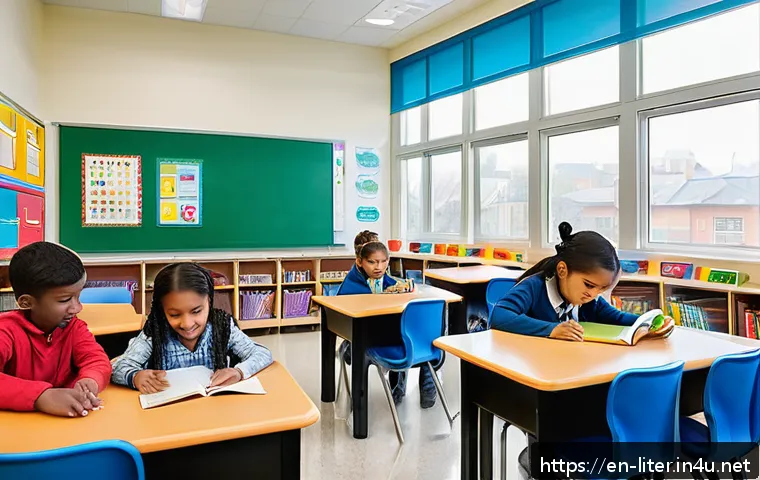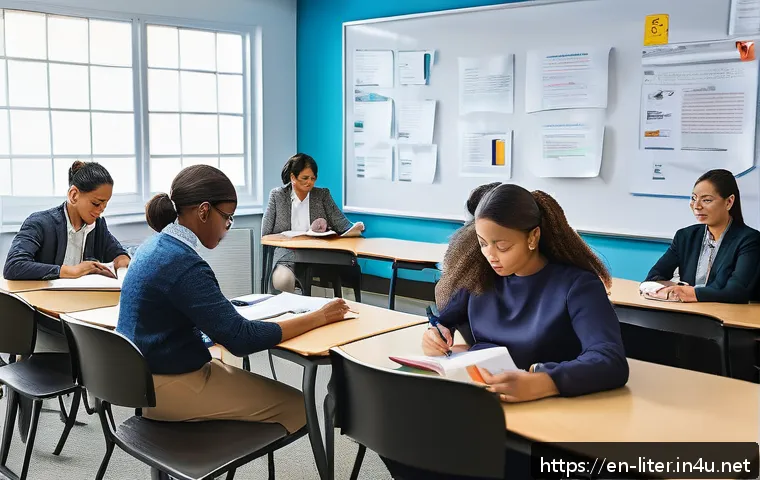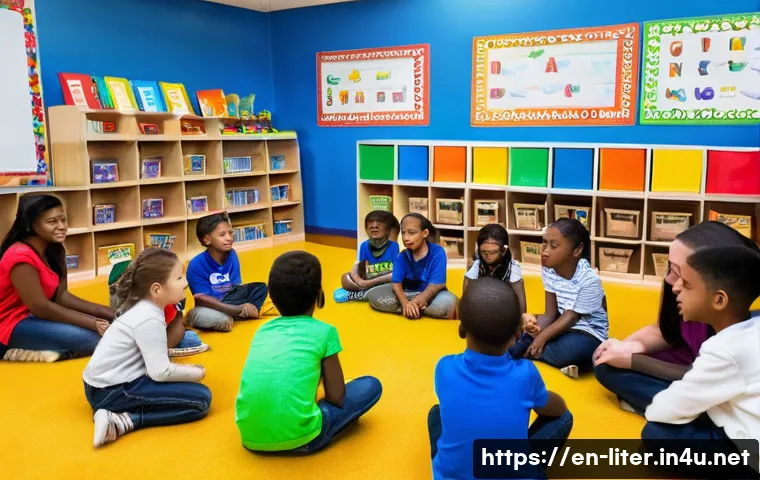
Understanding the distinct roles within education can be quite fascinating, especially when comparing positions like literacy educators and other specialized job functions.

Each role carries its own unique responsibilities, skill sets, and impact on learners’ development. As education continues to evolve with technology and new teaching methods, exploring these differences becomes even more relevant.
Whether you’re considering a career in education or just curious about how various educational roles operate, knowing these nuances can offer valuable insight.
Let’s dive deeper and uncover what truly sets these positions apart. I’ll make sure to explain everything clearly and thoroughly!
The Core Responsibilities Across Educational Roles
Literacy Educators and Their Focus on Reading Skills
Literacy educators specialize in helping students develop fundamental reading and writing abilities. Their work often centers on diagnosing reading difficulties, designing targeted interventions, and fostering a love for reading.
Unlike general classroom teachers, literacy educators dive deeply into phonics, vocabulary development, comprehension strategies, and fluency. From personal experience working alongside literacy specialists, I’ve seen how their tailored approaches can transform struggling readers into confident learners.
They frequently collaborate with other educators and parents to ensure consistent support across environments, emphasizing early detection and prevention of literacy challenges.
Specialized Educators and Their Unique Expertise
Beyond literacy, there are educators who focus on areas like special education, STEM, language acquisition, and social-emotional learning. Each of these roles demands a distinct skill set—special education teachers, for example, must understand individualized education plans (IEPs) and behavioral interventions, while STEM educators integrate hands-on experiments and technology-driven lessons.
These specialists contribute to a more holistic educational experience, addressing diverse learner needs that extend beyond basic literacy. In my observations, schools with robust specialized educator teams tend to foster more inclusive and dynamic classrooms.
Comparing the Impact on Student Development
While literacy educators primarily target the foundational skills that support all learning, specialized educators often focus on niche areas that enhance student engagement and success in specific domains.
Both roles are crucial, but their impact varies depending on student needs. Literacy skills act as the gateway to all subjects, making literacy educators essential in early education.
Conversely, specialized educators ensure students receive tailored support that promotes equity and accessibility. This balance is vital for nurturing well-rounded individuals prepared for future academic and life challenges.
Essential Skills and Qualifications for Different Educational Positions
Training and Certification for Literacy Educators
Literacy educators typically hold specialized certifications in reading instruction, such as the Reading Specialist certification or endorsements in literacy coaching.
Their training often includes deep dives into language development theories, assessment tools, and intervention strategies. Through firsthand accounts from educators, I’ve learned that ongoing professional development is critical because literacy research constantly evolves.
This commitment ensures that literacy educators stay current with evidence-based practices that best support student learning.
Qualifications Required for Other Specialized Educators
Specialized educators often need credentials that align with their focus areas. For instance, special education teachers must be certified in special education and skilled in behavioral management techniques.
Language acquisition specialists often hold TESOL or ESL certifications. STEM educators may have degrees in science, technology, engineering, or math fields combined with teaching credentials.
These qualifications enable educators to apply their subject matter expertise effectively, adapting content to diverse learner profiles and technological tools.
Soft Skills That Enhance Educational Effectiveness
Regardless of specialization, educators benefit immensely from strong communication, patience, and adaptability. Literacy educators, for example, must be sensitive to the frustration that struggling readers face, offering encouragement and tailored support.
Specialized educators often navigate complex student needs, requiring empathy and problem-solving skills. From my experience, those who combine technical knowledge with emotional intelligence create the most impactful learning environments, fostering trust and motivation among students.
Instructional Strategies and Techniques Across Roles
Approaches Unique to Literacy Education
Literacy educators frequently use structured phonics programs, guided reading sessions, and scaffolded writing activities. They rely on frequent formative assessments to pinpoint skill gaps and adjust instruction accordingly.
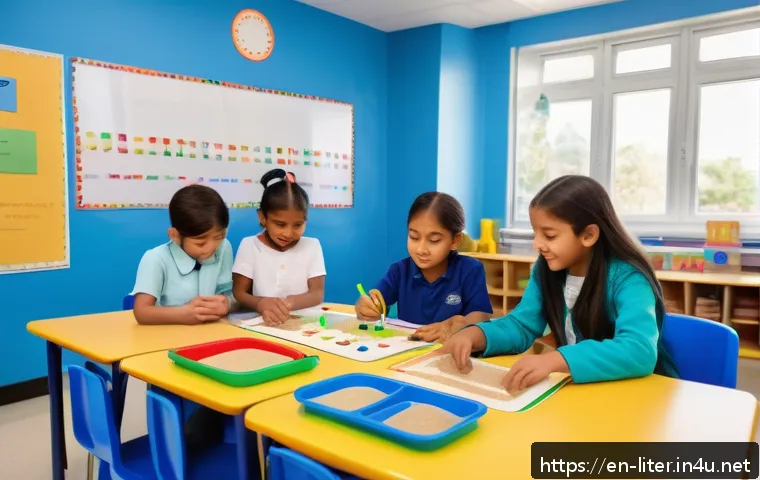
Their classrooms often feature a rich print environment and interactive read-alouds to engage students. I’ve noticed that when literacy educators incorporate multisensory methods—like letter tiles or kinesthetic activities—students often grasp concepts more effectively, particularly those with learning differences.
Techniques Employed by Specialized Educators
Specialized educators use a variety of instructional strategies tailored to their field. For example, special education teachers might implement visual supports, behavior charts, or assistive technology devices.
STEM teachers often design project-based learning experiences that encourage inquiry and collaboration. Language acquisition specialists focus heavily on conversational practice, cultural immersion, and language scaffolding.
These techniques promote active learning and cater to diverse cognitive and developmental profiles.
Collaborative Teaching Models in Education
Many schools adopt co-teaching models where literacy and specialized educators work side-by-side to support students. This collaboration can take forms like team teaching, parallel teaching, or station rotations.
From my observations, such partnerships not only enhance instructional quality but also provide comprehensive support that addresses multiple dimensions of student growth.
Effective collaboration requires clear communication, shared goals, and mutual respect, which ultimately benefit student outcomes.
Impact of Technology on Educational Roles
Digital Tools Enhancing Literacy Instruction
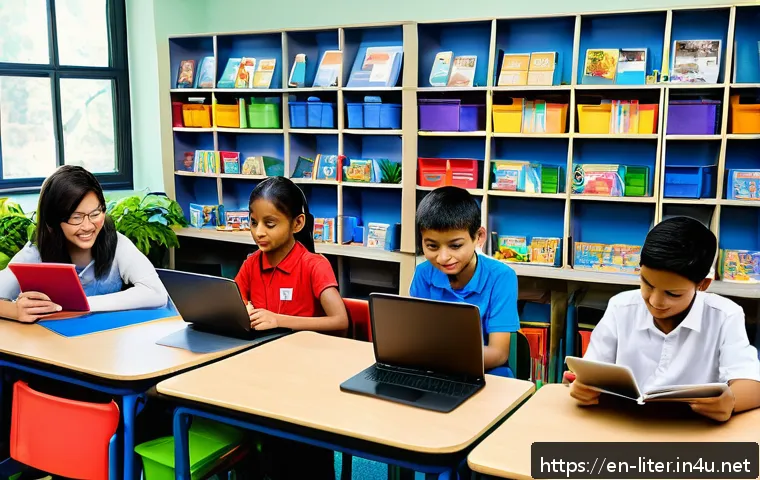
Technology has revolutionized literacy education by providing interactive e-books, adaptive reading software, and assessment platforms that offer immediate feedback.
Literacy educators I’ve talked to often praise apps that tailor reading material to individual levels, making practice more engaging and efficient. These tools help track progress over time and identify persistent challenges early, allowing for more precise intervention planning.
Specialized Educators Leveraging Tech Innovations
Specialized educators incorporate technology like speech-to-text software, communication devices, and virtual simulations to support diverse learners.
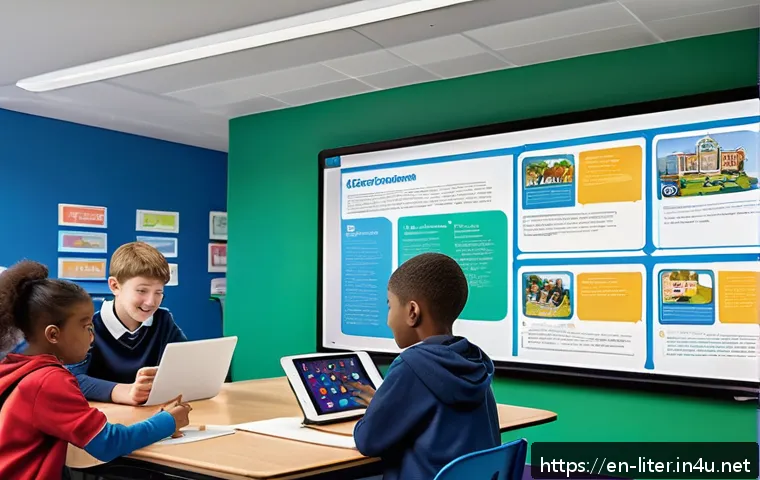
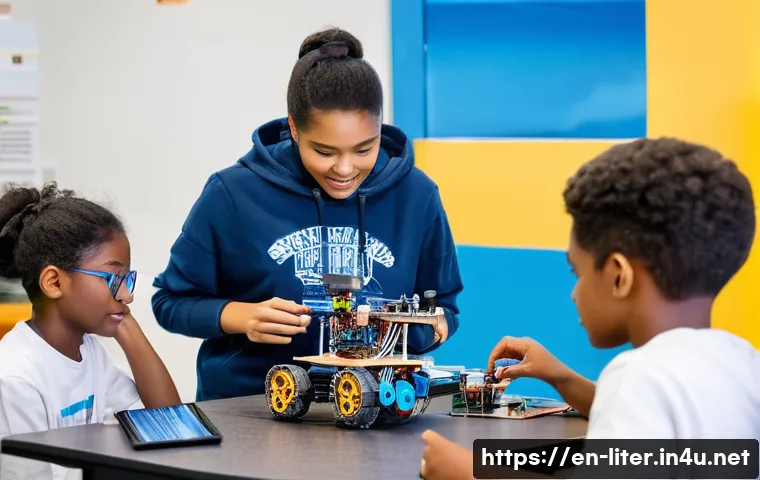
For example, students with disabilities benefit immensely from assistive technologies that foster independence and participation. STEM educators utilize coding platforms, virtual labs, and robotics kits to bring abstract concepts to life.
Integrating technology requires educators to continually update their skills and thoughtfully balance screen time with hands-on learning.
Challenges and Considerations in Tech Integration
While technology offers many advantages, it also presents challenges such as access disparities, screen fatigue, and the need for teacher training. Both literacy and specialized educators must critically evaluate digital tools to ensure they are evidence-based and culturally relevant.
From what I’ve experienced, the most successful implementations occur when technology complements, rather than replaces, human interaction and personalized instruction.
Work Environment and Collaboration Dynamics
Typical Settings for Literacy Educators
Literacy educators often work within general education classrooms, resource rooms, or as part of intervention teams. Their roles may involve pull-out sessions for small groups or push-in support alongside classroom teachers.
This flexible environment requires them to adapt to different student populations and collaborate frequently with educators, administrators, and families.
The dynamic nature of their work keeps them engaged but also demands strong organizational skills.
Work Contexts for Specialized Educators
Specialized educators might be found in specialized classrooms, therapy centers, or inclusive settings depending on their focus. For example, speech therapists work closely with students on communication skills in designated therapy rooms, while STEM educators usually teach in labs or tech-equipped classrooms.
These environments are often resource-rich but require specialized planning and coordination with multidisciplinary teams.
Building Effective Interdisciplinary Teams
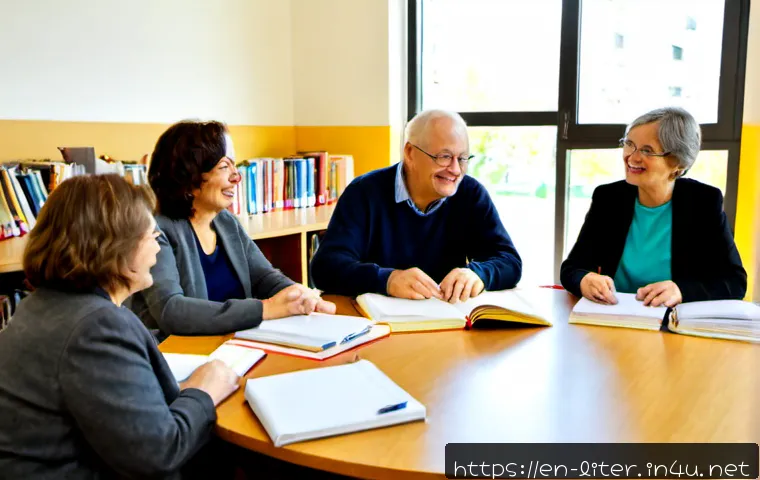
Successful education hinges on strong teamwork among various specialists. Interdisciplinary collaboration fosters comprehensive support for learners by combining literacy, behavioral, social-emotional, and academic expertise.
In my experience, teams that meet regularly, share data transparently, and develop joint action plans create more cohesive and impactful interventions.
This synergy benefits not only students but also educators by promoting shared responsibility and professional growth.
Comparing Literacy Educators and Other Specialized Roles: A Summary
| Aspect | Literacy Educators | Other Specialized Educators |
|---|---|---|
| Primary Focus | Reading, writing, and language acquisition | Special education, STEM, language learning, social-emotional skills |
| Typical Certifications | Reading Specialist, Literacy Coaching endorsements | Special Education certification, TESOL, STEM-related degrees |
| Instructional Methods | Phonics, guided reading, scaffolded writing | Behavioral interventions, project-based learning, communication supports |
| Use of Technology | Adaptive reading apps, digital assessments | Assistive tech, virtual labs, speech-to-text tools |
| Work Environment | General classrooms, intervention pull-out sessions | Specialized classrooms, therapy rooms, STEM labs |
| Collaborative Approach | Works closely with classroom teachers and parents | Part of multidisciplinary teams including therapists and counselors |
Career Pathways and Growth Opportunities
Advancement for Literacy Educators
Many literacy educators grow into roles such as literacy coaches, curriculum specialists, or instructional coordinators. These positions allow for broader influence on school-wide reading initiatives and professional development.
I’ve met educators who transitioned from classroom literacy instruction to district-level leadership, leveraging their expertise to shape policy and resource allocation.
Career Development for Specialized Educators
Specialized educators often pursue advanced certifications or graduate degrees to deepen their expertise. For example, special education teachers might become behavior analysts or program directors.
STEM educators may evolve into educational technologists or curriculum developers. These paths offer opportunities to impact education beyond the classroom and contribute to innovation in teaching and learning.
Factors Influencing Job Satisfaction and Retention
Job fulfillment in educational roles depends on factors like support systems, professional growth, and work-life balance. Literacy educators often express satisfaction when they witness measurable student progress, while specialized educators find reward in overcoming complex challenges.
From conversations with peers, I’ve noticed that collaborative cultures and ongoing training are key to retaining passionate educators in both fields.
Addressing burnout and recognizing accomplishments are equally crucial.
The Role of Cultural Competence in Educational Specializations
Importance of Cultural Awareness in Literacy Education
Literacy educators must be attuned to diverse linguistic backgrounds, dialects, and cultural narratives that influence reading development. Tailoring materials to reflect students’ cultures fosters engagement and validates their identities.
I’ve seen firsthand how culturally responsive literacy instruction can boost motivation and comprehension, especially for English language learners.
Cultural Sensitivity in Specialized Education
Specialized educators work with students from varied cultural contexts, requiring respect for differing values, communication styles, and family dynamics.
This sensitivity is essential when designing interventions or behavioral supports. In my experience, educators who embrace cultural competence build stronger rapport and trust, which directly enhances learning outcomes.
Strategies for Enhancing Cultural Competence
Ongoing professional development, community engagement, and reflective practices help educators deepen cultural understanding. Collaborative discussions with colleagues and families provide valuable insights into students’ lived experiences.
Incorporating multicultural perspectives into curriculum and instruction not only benefits learners but also enriches educators’ own worldviews, creating more inclusive classrooms.
Conclusion
Understanding the distinct yet complementary roles of literacy and specialized educators is key to fostering effective learning environments. Each brings unique expertise that addresses diverse student needs, contributing to a well-rounded education. By valuing collaboration and continuous growth, schools can better support all learners in reaching their full potential.
Useful Information to Keep in Mind
1. Literacy educators focus on foundational reading and writing skills, essential for early academic success.
2. Specialized educators cover areas like special education, STEM, and language acquisition, providing tailored support.
3. Both roles require ongoing professional development to stay current with best practices and evolving research.
4. Technology plays a significant role in enhancing instruction but should complement, not replace, personalized teaching.
5. Cultural competence is crucial for educators to create inclusive classrooms that respect and celebrate diversity.
Key Takeaways
Effective education depends on the collaboration of literacy and specialized educators who bring distinct skills and knowledge to the table. Their combined efforts create supportive, adaptable learning spaces that address both foundational skills and specialized needs. Commitment to professional growth, cultural awareness, and thoughtful integration of technology strengthens their impact, ultimately benefiting students and the broader educational community.
Frequently Asked Questions (FAQ) 📖
Q: What is the primary difference between a literacy educator and other specialized educators in schools?
A: Literacy educators specifically focus on developing students’ reading, writing, and communication skills. Their role is crucial because literacy forms the foundation for learning across all subjects.
Other specialized educators might concentrate on subjects like math, science, or special education needs. While both roles aim to support student growth, literacy educators often work closely on language acquisition and comprehension, which directly impacts a learner’s ability to succeed in other areas.
Q: How do literacy educators adapt their teaching methods with the integration of technology?
A: Literacy educators today use a blend of traditional and digital tools to enhance learning. For example, they might incorporate interactive e-books, educational apps, and online reading platforms to engage students more deeply.
From my own experience, using technology allows for personalized learning paths, helping students at different reading levels progress at their own pace.
It’s not just about reading on a screen; it’s about making literacy more accessible and fun, which boosts motivation and retention.
Q: Can someone transition from a general teaching role to a literacy educator position, and what skills are essential for that?
A: Absolutely! Many educators start in general teaching roles and later specialize in literacy by gaining additional training or certifications. Key skills include a strong understanding of language development, the ability to assess individual reading needs, and strategies for teaching diverse learners.
From what I’ve observed, successful literacy educators are also patient, creative, and adaptable—they need to tailor their approaches to meet varied student challenges while fostering a love for reading and writing.