Unlocking Literacy Education: How Linguistics Shapes Effective Reading and Writing Skills

webmaster

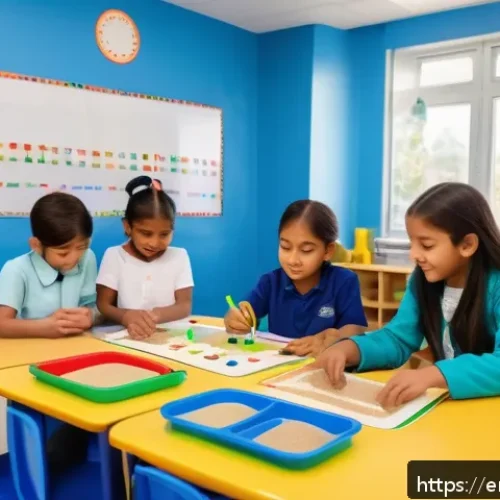
문해교육사와 언어학의 관계 - A bright, inviting classroom scene with diverse young children engaged in phonetic learning activiti...

In today’s fast-paced world, literacy is more important than ever, yet many learners struggle to master reading and writing effectively. Understanding the role of linguistics offers fresh insights into how we acquire these critical skills.

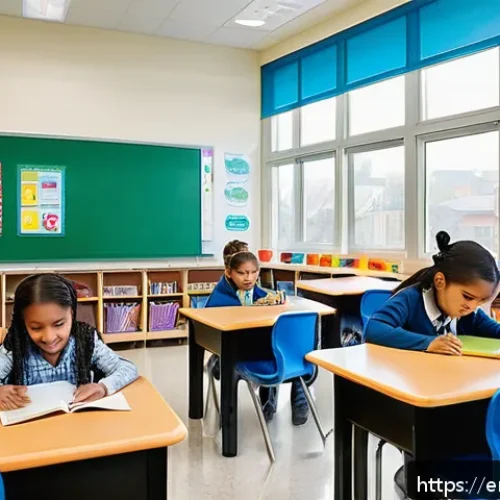
문해교육사와 언어학의 관계 관련 이미지 1

By exploring the connection between language structure and literacy education, we can unlock new methods that truly resonate with learners. Whether you’re a teacher, parent, or lifelong learner, diving into this topic reveals practical strategies that make a real difference.

Stick around as we uncover how linguistics shapes the way we read, write, and communicate every day. This journey promises to transform your approach to literacy in exciting ways.

The Hidden Power of Phonetics in Reading Development

How Sounds Build the Foundation of Literacy

When we first learn to read, it’s not just about recognizing letters on a page but about connecting those letters to the sounds they represent. This is where phonetics steps in—a branch of linguistics that studies how speech sounds are produced and perceived.

I remember working with young learners who struggled with reading until we focused on phonetic awareness. Suddenly, decoding words became less of a guessing game and more of a logical process.

Phonetic skills help readers break down complex words into manageable sounds, which is a crucial step in fluent reading. Without this foundation, learners often feel lost, overwhelmed by unfamiliar words.

Practical Phonetic Exercises That Make a Difference

Incorporating phonetic exercises into literacy programs can be a game-changer. Simple activities like rhyming games, syllable clapping, and sound matching engage learners in a fun way while sharpening their auditory discrimination.

I’ve found that when kids start to hear the subtle differences between sounds, their spelling and reading accuracy improve dramatically. Even adults learning a new language benefit from phonetic training, as it bridges the gap between spoken and written language.

This hands-on approach to phonetics keeps learners motivated because they see quick progress in their ability to read and write.

Phonetics Versus Phonics: Understanding the Distinction

People often confuse phonetics with phonics, but they serve different roles in literacy education. Phonetics is the scientific study of speech sounds themselves, while phonics is a teaching method that uses this knowledge to help learners decode written language.

Think of phonetics as the theory and phonics as the practice. Understanding this distinction is important for educators designing curriculum because it ensures that instruction isn’t just rote memorization but grounded in sound linguistic principles.

When I first grasped this difference, it reshaped how I approached teaching reading—focusing more on sound patterns rather than isolated letter names.

Advertisement

Grammar as a Backbone for Clear Writing

Why Grammar Matters Beyond the Classroom

Many people see grammar as just a set of rules to memorize, but in reality, it’s the structure that helps our ideas come across clearly and effectively.

When I started writing more seriously, I realized that good grammar isn’t about perfection—it’s about clarity and connection. Grammar provides the roadmap for readers, guiding them through your thoughts without confusion.

For literacy learners, mastering grammar means they can express themselves confidently and avoid misunderstandings. This is especially vital in professional and academic settings, where precise communication can open doors.

Building Writing Skills Through Sentence Structure

One of the best ways to improve writing is by focusing on sentence structure. I often encourage learners to experiment with different sentence types—simple, compound, and complex—to add variety and depth to their writing.

Understanding how clauses and phrases fit together turns writing from a jumble of words into a coherent narrative. This approach also helps learners spot errors more easily, such as run-on sentences or fragments, which often trip people up.

Over time, this strengthens their overall literacy skills and boosts confidence.

Common Grammar Pitfalls and How to Avoid Them

Even experienced writers fall into grammar traps, so it’s helpful to identify frequent mistakes. Issues like subject-verb agreement, misplaced modifiers, and comma splices are surprisingly common but easily fixed once you know what to look for.

When I work with learners, I use real examples from their writing to pinpoint these errors. This personalized feedback makes the learning process feel relevant and less intimidating.

Plus, understanding these pitfalls helps learners become more independent editors of their own work.

Advertisement

The Role of Vocabulary in Expanding Literacy

Why Knowing More Words Changes Everything

Vocabulary is the fuel that powers both reading comprehension and expressive writing. I’ve noticed that learners with a rich vocabulary breeze through texts that leave others scratching their heads.

It’s not just about quantity but the quality of words you know. When you understand nuanced meanings and multiple uses of words, you gain flexibility in communication.

This becomes especially important when reading challenging materials or writing persuasive essays. A strong vocabulary also supports critical thinking because it allows learners to grasp abstract concepts more easily.

Strategies for Vocabulary Building That Work

One practical approach I swear by is learning words in context rather than in isolation. Reading widely—whether it’s fiction, news articles, or even song lyrics—exposes learners to new words naturally.

Flashcards and word lists can help, but they rarely stick without real-world use. I also recommend using new vocabulary actively, through speaking or writing, to cement understanding.

Technology offers great tools too; vocabulary apps with spaced repetition make reviewing words less tedious and more effective.

Tracking Vocabulary Growth Over Time

Keeping track of vocabulary progress can motivate learners and highlight areas needing improvement. I’ve found that simple journals or digital logs where learners record new words, their meanings, and example sentences help make learning visible.

Over time, this collection becomes a personal resource and a confidence booster. It also encourages reflection on how language skills are evolving, which is essential for long-term success.

Advertisement

Context and Meaning: The Heart of Comprehension

Why Context Matters More Than You Think

Reading isn’t just about decoding words; it’s about making sense of them within a larger framework. Context gives meaning to words and sentences, allowing us to interpret texts accurately.

I’ve seen learners struggle when they focus too much on individual words and miss the bigger picture. Teaching strategies that emphasize predicting meaning from surrounding text or background knowledge can transform comprehension skills.

Context helps readers infer meaning, understand tone, and grasp implied ideas that aren’t explicitly stated.

Techniques to Enhance Contextual Understanding

Encouraging active reading habits makes a big difference. This includes asking questions before, during, and after reading, summarizing what’s been read, and connecting ideas to personal experiences.

I often suggest learners pause to visualize scenes or imagine characters’ feelings, which deepens engagement. Using graphic organizers like mind maps can also help organize information and reveal relationships within the text.

These methods turn passive reading into an interactive process that builds deeper comprehension.

How Context Shapes Writing Style

Writers also rely on context to choose appropriate vocabulary, tone, and structure. Whether crafting an email, a story, or a report, understanding the audience and purpose influences every writing decision.

I’ve noticed that when learners neglect context, their writing can feel flat or confusing. Teaching them to consider who will read their work and why helps create more effective communication.

This awareness also encourages adaptability, an essential skill in today’s diverse communication landscape.

Advertisement

문해교육사와 언어학의 관계 관련 이미지 2

Bridging Oral and Written Language Skills

The Natural Connection Between Speaking and Writing

It’s easy to overlook how closely connected speaking and writing really are. When I reflect on my own learning journey, I realize that strong oral skills laid the groundwork for my writing abilities.

Speaking helps organize thoughts, develop vocabulary, and practice grammar in a low-stakes environment. Learners who are comfortable expressing ideas verbally tend to find writing less intimidating.

Encouraging discussions, storytelling, and presentations can therefore boost literacy by reinforcing language structures in multiple modes.

Challenges in Transitioning from Speech to Text

Despite their connection, speaking and writing have different demands. Speech is often spontaneous and informal, while writing requires more planning and attention to detail.

I’ve observed that learners sometimes struggle to translate their rich spoken language into coherent written text because they rely too much on conversational fillers or incomplete sentences.

Teaching strategies that focus on planning, drafting, and revising help bridge this gap. For example, recording a spoken explanation and then turning it into a written summary can be a helpful exercise.

Using Technology to Support Oral-Written Integration

Digital tools have revolutionized how learners connect speaking and writing. Speech-to-text software allows learners to capture ideas verbally and then edit them in written form, lowering the barrier to writing.

I’ve seen reluctant writers become more engaged when they start with spoken drafts. Additionally, apps that provide immediate feedback on grammar and vocabulary help learners self-correct and refine their work.

Integrating these technologies into literacy education can accelerate skill development and make learning more accessible.

Advertisement

Understanding Syntax for Improved Reading and Writing

What Syntax Reveals About Language Structure

Syntax—the way words are arranged to form sentences—is like the skeleton that holds language together. I’ve always been fascinated by how rearranging a few words can completely change a sentence’s meaning.

For literacy learners, understanding syntax means they can better parse complex sentences, identify main ideas, and write more sophisticated texts. It’s not just about memorizing rules but recognizing patterns that make sentences logical and clear.

This insight helps learners tackle advanced reading materials and express themselves with nuance.

Teaching Syntax Through Sentence Analysis

Breaking down sentences into their components—subjects, predicates, objects—can demystify syntax. I often guide learners through sentence diagramming, which visually maps out sentence structure.

This process encourages a deeper understanding of how different parts of speech interact. It also reveals common sentence errors and how to fix them. While some might find this approach tedious, I’ve found that when learners see the “blueprint” of language, their confidence grows, and they approach reading and writing tasks with less anxiety.

Syntax and Its Impact on Writing Style

Mastering syntax allows writers to vary sentence length and complexity, which keeps readers engaged. I’ve noticed that writers who rely solely on simple sentences often sound repetitive, while those who mix in complex and compound sentences create rhythm and emphasis.

Teaching syntax isn’t just about correctness but about style and voice. When learners grasp how to manipulate sentence structure, they gain creative control over their writing, making it more compelling and effective.

Advertisement

How Semantics Shapes Meaning in Literacy

The Role of Semantics in Understanding Texts

Semantics, the study of meaning in language, is fundamental to reading comprehension. I’ve seen learners who decode words perfectly but still miss the point of a passage because they don’t grasp the deeper meanings or connotations.

Semantics helps us interpret synonyms, idioms, and figurative language—elements that are everywhere in everyday communication. Without this layer of understanding, reading can feel mechanical and frustrating.

Techniques for Teaching Semantic Awareness

To enhance semantic skills, I encourage learners to explore word relationships, such as synonyms, antonyms, and homonyms. Activities like semantic mapping and context clues exercises promote active engagement with word meanings.

I also find that discussing multiple interpretations of a text opens learners’ eyes to the richness of language. This approach not only improves comprehension but also sparks curiosity and critical thinking.

Semantics in Writing: Crafting Precise Messages

Writers benefit from semantic awareness by choosing words that convey exactly what they mean. Precision in word choice avoids ambiguity and strengthens arguments.

I’ve noticed that learners who develop semantic sensitivity write with more clarity and persuasion. Teaching them to consider denotation and connotation, as well as cultural nuances, equips them to communicate effectively in diverse contexts.

Advertisement

Summary of Linguistic Components in Literacy Learning

Linguistic Component Role in Literacy Effective Teaching Strategies
Phonetics Foundation for decoding sounds in reading and spelling Rhyming games, sound matching, syllable clapping
Grammar Provides structure for clear writing and communication Sentence structure exercises, error analysis, personalized feedback
Vocabulary Expands comprehension and expressive ability Contextual learning, active use, spaced repetition tools
Context Gives meaning and coherence to reading and writing Active reading strategies, graphic organizers, prediction exercises
Oral-Written Integration Connects spoken language fluency with writing skills Storytelling, speech-to-text tools, drafting exercises
Syntax Shapes sentence clarity and style Sentence diagramming, analysis of sentence types, style practice
Semantics Enables deeper understanding of word meanings and text interpretation Semantic mapping, context clues, multiple interpretation discussions
Advertisement

Conclusion

Understanding the linguistic components that underpin literacy—from phonetics to semantics—provides a solid framework for both teaching and learning. These elements work together to enhance reading, writing, and communication skills in meaningful ways. By embracing a comprehensive approach, learners can develop confidence and mastery over language that extends beyond the classroom. Ultimately, investing time in these foundations opens doors to lifelong literacy success.

Advertisement

Helpful Information

1. Consistent practice with phonetic exercises can drastically improve decoding and spelling skills.

2. Experimenting with sentence structures enriches writing style and clarity.

3. Building vocabulary through real-world context leads to deeper comprehension and expression.

4. Active reading strategies, like summarizing and questioning, boost understanding of complex texts.

5. Using digital tools that integrate speaking and writing supports smoother transitions between oral and written language.

Key Takeaways

Mastering literacy requires a balanced focus on sound recognition, grammatical structure, vocabulary growth, and contextual understanding. Effective teaching involves interactive, personalized methods that connect theory with practical use. Incorporating technology and encouraging active engagement help learners overcome challenges and build sustainable language skills. Prioritizing these core areas ensures clearer communication and greater confidence in both reading and writing.

Frequently Asked Questions (FAQ) 📖

Q: uestions about Linguistics and LiteracyQ1: How does understanding linguistics improve literacy education?

A: Understanding linguistics provides deep insights into how language works—its sounds, structure, meaning, and use. This knowledge helps educators design teaching methods that align with how learners naturally acquire language skills.
For example, by breaking down complex grammar or phonetics into manageable parts, teachers can make reading and writing less intimidating. From my experience, when literacy instruction taps into linguistic principles, students grasp concepts faster and retain them longer because the learning feels more intuitive and connected to real language use.

Q: Can linguistic strategies help struggling readers and writers?

A: Absolutely. Many learners face challenges because traditional literacy teaching overlooks the underlying mechanics of language. Linguistic strategies focus on phonemic awareness, morphology, syntax, and semantics, which are essential building blocks for decoding and comprehension.
I’ve seen firsthand how incorporating these strategies—like explicitly teaching word roots or sentence patterns—can turn around the progress of students who once felt stuck.
It’s about giving learners the tools to understand language from the inside out, making reading and writing less frustrating and more accessible.

Q: What practical tips can parents or teachers apply to support literacy through linguistics?

A: One practical tip is to emphasize the sounds of language through activities like rhyming games or segmenting words into syllables, which strengthens phonological skills.
Another is to explore word origins and meanings, which builds vocabulary and comprehension naturally. Also, encouraging learners to play with sentence structures—like rearranging words to see how meaning changes—can deepen understanding of syntax.
From my own teaching journey, blending these linguistic approaches into everyday reading and writing routines sparks curiosity and confidence, turning literacy into a lively, engaging adventure rather than a chore.

📚 References


➤ Link

– Google Search

➤ Link

– Bing Search

➤ Link

– Google Search

➤ Link

– Bing Search

➤ Link

– Google Search

➤ Link

– Bing Search

➤ Link

– Google Search

➤ Link

– Bing Search

➤ Link

– Google Search

➤ Link

– Bing Search

➤ Link

– Google Search

➤ Link

– Bing Search

➤ Link

– Google Search

➤ Link

– Bing Search

➤ Link

– Google Search

➤ Link

– Bing Search

➤ Link

– Google Search

➤ Link

– Bing Search