Literacy education isn’t just about learning to read and write; it’s about empowering individuals and transforming communities. Having seen firsthand the incredible impact a dedicated literacy educator can have, I’ve become fascinated by the science behind setting achievable learning goals.
It’s more than just picking random skills; it’s about understanding how adults learn and tailoring instruction to their specific needs and experiences.
From the latest research, there’s a huge trend towards personalized learning paths, using AI to adapt to each student’s pace and style. Plus, with the rise of digital literacy, educators are grappling with how to bridge the digital divide and equip learners with the skills they need for the future job market.
My own observation is that when the goals are clearly defined and personally relevant, students are significantly more motivated and successful. Let’s delve deeper and learn the detail through the writing below.
Understanding Adult Learning Principles: The Cornerstone of Literacy Education

Acknowledging Prior Knowledge and Experience
Adults aren’t blank slates; they bring a wealth of life experiences to the learning table. I’ve found that when I tap into this prior knowledge, it’s like unlocking a treasure chest of engagement. For instance, when teaching financial literacy, I start by asking students about their current money management habits, both successes and struggles. This not only makes the topic relatable but also allows them to connect new information to their existing understanding. I recall a student, Maria, a single mother who had always felt intimidated by budgeting. But when we discussed practical strategies for tracking expenses and setting financial goals, using examples relevant to her daily life, she blossomed. She not only mastered the concepts but also became a mentor to other students, sharing her newfound confidence and skills.
Fostering Autonomy and Self-Direction
Adult learners thrive when they feel in control of their learning journey. It’s about offering choices and empowering them to take ownership of their progress. Think of it as giving them the keys to the car and letting them choose the route, while still providing guidance and support along the way. For example, I often present my students with a selection of reading materials, ranging from news articles and short stories to excerpts from novels and professional journals. They get to pick what resonates with them, which instantly boosts their motivation. I also encourage them to set their own learning goals and track their progress, which reinforces their sense of autonomy. One of the most rewarding things about teaching is seeing my students transform from passive recipients of information to active, self-directed learners.
Crafting SMART Goals for Literacy Learners
Specific: Defining Clear and Measurable Objectives
Vague goals are like trying to navigate a ship without a compass. They lead to frustration and ultimately, failure. That’s why SMART goals are so essential. It all starts with being specific. What exactly do you want the learner to achieve? Instead of saying, “I want to improve my reading,” a specific goal would be, “I want to be able to read a newspaper article and understand the main points.” It’s about clarity and precision. I once had a student, David, who was struggling with reading comprehension. He felt overwhelmed and discouraged. But when we broke down his goal into smaller, more specific steps, such as identifying the topic sentence in each paragraph and summarizing key information, he began to make significant progress. The key is to avoid ambiguity and create a clear roadmap for success.
Relevant: Aligning Goals with Learner Needs and Interests
Relevance is the secret sauce that transforms learning from a chore into a passion. If the goals don’t align with the learner’s needs and interests, they’re likely to lose motivation. It’s like trying to fit a square peg into a round hole. For instance, if you’re teaching a group of aspiring entrepreneurs, focusing on business-related vocabulary and reading materials will be far more effective than delving into Shakespearean sonnets. I always take the time to get to know my students, to understand their aspirations and challenges. What are their hobbies? What are their career goals? What keeps them up at night? This information helps me tailor the curriculum to their individual needs, making the learning experience more meaningful and engaging. For me, the best feeling in the world is seeing my students light up when they realize that what they’re learning is directly applicable to their lives.
Leveraging Technology to Enhance Literacy Instruction
Exploring Digital Literacy Tools and Resources
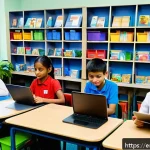
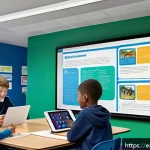
In today’s digital age, literacy extends far beyond reading and writing. It’s about navigating the online world with confidence and critical thinking skills. Think about it: We’re bombarded with information from countless sources, from news articles and social media posts to videos and podcasts. It’s crucial to equip learners with the skills to evaluate the credibility of these sources and distinguish fact from fiction. I love incorporating digital literacy tools into my lessons, such as online dictionaries, grammar checkers, and interactive reading platforms. I also teach my students how to use search engines effectively, how to identify fake news, and how to protect their privacy online. By embracing technology, we can create a more engaging and relevant learning experience.
Addressing the Digital Divide: Ensuring Equitable Access
While technology offers incredible opportunities for literacy education, it’s essential to acknowledge the digital divide. Not everyone has equal access to computers, internet, and digital literacy skills. This creates a significant barrier for many learners, particularly those from low-income backgrounds. I’ve seen firsthand the impact of this divide on my students. Some struggle to complete online assignments because they don’t have a reliable internet connection at home. Others lack the basic computer skills needed to navigate online learning platforms. It’s our responsibility as educators to bridge this gap by providing access to technology and digital literacy training. This might involve partnering with local libraries or community centers to offer computer classes or providing loaner laptops to students in need. The goal is to ensure that everyone has the opportunity to thrive in the digital age.
Creating a Supportive and Inclusive Learning Environment
Fostering a Growth Mindset: Embracing Challenges and Learning from Mistakes
The learning environment is just as important as the curriculum. If learners don’t feel safe, supported, and respected, they’re unlikely to take risks or embrace challenges. That’s why it’s crucial to create a classroom culture that fosters a growth mindset. This means encouraging learners to view challenges as opportunities for growth, to embrace mistakes as learning experiences, and to persevere in the face of setbacks. I often share my own stories of overcoming challenges and learning from my failures. I also praise effort and progress, rather than focusing solely on achievement. By creating a supportive and inclusive environment, we can empower learners to reach their full potential. For instance, I had a student, Ken, who was terrified of public speaking. He would avoid presentations at all costs. But when I created a safe space for him to practice, offering constructive feedback and encouragement, he gradually gained confidence. Eventually, he even volunteered to give a presentation at a community event. It was a truly remarkable transformation.
Celebrating Diversity: Recognizing and Valuing Individual Differences
Every learner is unique, with their own strengths, weaknesses, and learning styles. It’s essential to recognize and value these individual differences, creating a learning environment that is inclusive and welcoming to all. This means being aware of cultural differences, language barriers, and learning disabilities. It also means adapting your teaching methods to meet the needs of diverse learners. For example, if you have students who are English language learners, you might provide them with additional support, such as translated materials or one-on-one tutoring. If you have students with learning disabilities, you might offer accommodations such as extended time on tests or alternative assignments. The goal is to create a learning environment where everyone feels valued and respected.
Assessing Progress and Providing Meaningful Feedback
Utilizing Formative Assessment Techniques to Monitor Learning
Assessment isn’t just about assigning grades; it’s about providing learners with valuable feedback that helps them improve. Formative assessment techniques, such as quizzes, class discussions, and peer reviews, can be used to monitor learning and identify areas where learners are struggling. This allows you to adjust your teaching methods and provide additional support as needed. I like to use a variety of formative assessment techniques in my lessons, such as exit tickets, think-pair-share activities, and online polls. These activities provide me with valuable insights into my students’ understanding of the material, allowing me to tailor my instruction to their needs.
Providing Constructive and Actionable Feedback
Feedback is most effective when it is constructive, specific, and actionable. Instead of simply saying, “Good job,” provide learners with specific examples of what they did well and areas where they could improve. It’s also helpful to provide them with concrete steps they can take to improve their skills. For example, if a learner is struggling with writing, you might provide them with feedback on their grammar, sentence structure, and organization. You might also suggest specific resources they can use to improve their writing skills, such as online grammar guides or writing workshops. The goal is to empower learners to take ownership of their learning and make progress towards their goals.
| Principle | Description | Example |
|---|---|---|
| Specificity | Clearly define the learning objectives. | “Improve reading comprehension” becomes “Read a short story and summarize the plot.” |
| Measurability | Ensure progress can be tracked. | Tracking the number of books read per month. |
| Attainability | Set realistic goals within reach. | Starting with simpler texts before moving to complex ones. |
| Relevance | Align goals with personal interests. | Using business-related materials for entrepreneurs. |
| Time-Bound | Establish a timeframe for achieving goals. | “Complete the course by the end of the semester.” |
Sustaining Motivation and Engagement in Literacy Programs
Celebrating Successes: Recognizing and Rewarding Learner Achievements
Motivation is like a muscle: It needs to be exercised and strengthened regularly. One of the best ways to sustain motivation is to celebrate successes, both big and small. This could involve publicly recognizing learner achievements, awarding certificates of completion, or simply offering words of encouragement. I love to celebrate my students’ successes in creative ways, such as hosting a class party, creating a “wall of fame,” or publishing their work in a class anthology. By recognizing and rewarding learner achievements, we can create a positive learning environment that motivates them to continue growing.
Building a Sense of Community: Fostering Collaboration and Peer Support
Learning is not a solitary activity; it’s a collaborative process. By building a sense of community in the classroom, we can foster collaboration and peer support, which can significantly enhance the learning experience. This might involve creating opportunities for learners to work together on projects, participate in group discussions, or provide feedback to one another. I often use team-based learning activities in my lessons, where students work together to solve problems and complete tasks. This not only promotes collaboration but also helps them develop critical thinking and communication skills. The goal is to create a learning environment where learners feel connected, supported, and empowered to learn from one another.
In Conclusion
As we navigate the ever-evolving landscape of literacy education, it’s clear that understanding adult learning principles, setting SMART goals, leveraging technology, fostering supportive environments, and providing meaningful feedback are essential. By embracing these strategies, we can empower adult learners to unlock their full potential and achieve their educational and personal aspirations. Remember, the journey of learning is a lifelong adventure, and together, we can create a world where everyone has the opportunity to thrive.
Helpful Tips & Resources
Here are some additional resources and tips to further support your literacy journey:
1. Utilize Free Online Courses: Websites like Coursera and edX offer a variety of free courses on reading, writing, and digital literacy.
2. Join Local Literacy Programs: Many communities have literacy centers or volunteer organizations that provide free tutoring and support to adult learners. Check out the ProLiteracy website to find programs near you.
3. Explore Library Resources: Your local library is a treasure trove of resources, including books, magazines, computers, and internet access. Librarians can also provide guidance and support to adult learners.
4. Practice Regularly: Like any skill, literacy improves with practice. Make time each day to read, write, and engage with digital content.
5. Find a Learning Buddy: Learning with a friend or family member can provide motivation and support. You can encourage each other, share resources, and celebrate your successes.
Key Takeaways
In summary, remember these vital elements for effective adult literacy education:
Embrace Prior Knowledge: Connect new information to learners’ existing experiences.
Foster Autonomy: Empower learners to take control of their learning journey.
Set SMART Goals: Ensure goals are specific, measurable, attainable, relevant, and time-bound.
Leverage Technology: Utilize digital tools and resources to enhance learning.
Create Supportive Environments: Foster growth mindsets and celebrate diversity.
Frequently Asked Questions (FAQ) 📖
Q: What’s the biggest challenge in setting literacy goals for adults, in your experience?
A: Honestly, it’s getting past the initial hurdle of self-doubt. I’ve seen so many adults carry baggage from past educational experiences, making them hesitant to believe they can actually learn.
It’s crucial to start with small, achievable goals and build confidence. I recall one student, Sarah, who was terrified of computers. We started with just turning it on and opening a document.
Within weeks, she was emailing her grandkids! It’s all about making it relevant to their lives and celebrating every little victory.
Q: You mentioned personalized learning paths and
A: I. How practical is that in a real-world literacy program setting? A2: It’s becoming increasingly practical, but it’s not a silver bullet.
We’ve started using adaptive learning software that adjusts the difficulty based on the student’s performance. However, the human element is still essential.
AI can identify areas where a student is struggling, but it can’t provide the empathy and encouragement a human educator can. Think of it as a powerful tool that enhances, but doesn’t replace, the teacher’s role.
Plus, the digital divide is real; many students lack reliable access to technology, so we have to offer a blend of online and offline resources.
Q: How do you keep literacy goals relevant in today’s rapidly changing job market?
A: That’s a tough one! It’s not just about reading and writing anymore; it’s about digital literacy, critical thinking, and problem-solving. We partner with local businesses to understand their current and future needs.
We’ve incorporated modules on things like coding basics, data analysis, and online marketing into our curriculum. I remember one of our graduates, Mark, who landed a job in a local startup after learning basic web development skills.
It’s incredibly rewarding to see people transform their lives by acquiring skills that are in demand. It’s all about anticipating the future and equipping our students with the tools they need to thrive.
📚 References
Wikipedia Encyclopedia
구글 검색 결과
구글 검색 결과
구글 검색 결과
구글 검색 결과
구글 검색 결과