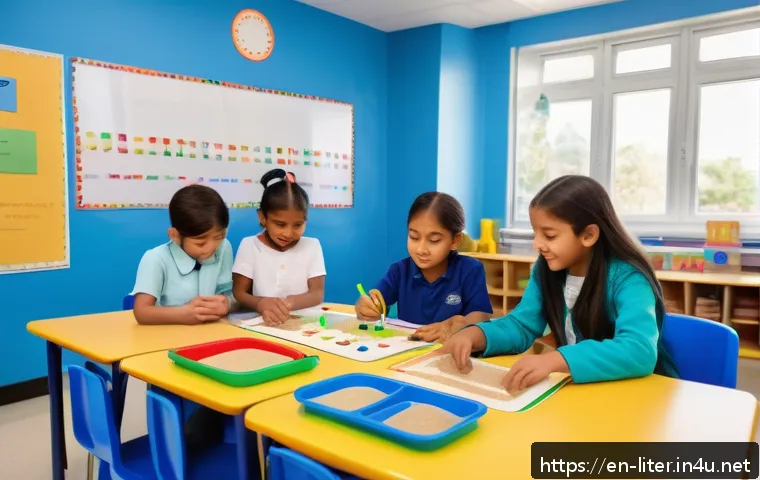
So, you’re diving into the rewarding world of literacy education? That’s fantastic! I’ve personally seen how transformative it can be, not just for the learners, but for the educators themselves.
To truly excel and avoid burnout, continuous self-improvement is key. Keeping up with the latest teaching methodologies and technologies is vital, especially considering the rise of AI-powered learning tools.
Plus, remember that the most impactful educators are those who never stop learning themselves. Let’s explore this further in the following article.
Here’s the article:
Embracing Lifelong Learning: Your Professional Compass

The field of literacy is constantly evolving, with new research emerging, innovative technologies being developed, and shifting societal needs shaping educational practices.
Stagnation is not an option if you aim to be an effective and inspiring educator. I remember when I first started teaching ESL, I relied heavily on textbook grammar exercises.
It wasn’t until I attended a workshop on communicative language teaching that I realized how much more engaging and effective lessons could be. That experience fundamentally changed my approach and ignited a passion for continuous learning.
Think of it like maintaining a car: regular tune-ups and upgrades keep it running smoothly and efficiently. Your professional development is the “tune-up” for your teaching skills.
1. Formal Education: A Solid Foundation
Seeking advanced degrees or certifications related to literacy can deepen your understanding of theory and practice. When I was pursuing my Master’s in TESOL, I was exposed to research that challenged my assumptions about language acquisition.
It opened my eyes to new perspectives and gave me a more nuanced understanding of the challenges my students faced.
2. Professional Development Workshops and Conferences: Staying Current
Attending workshops and conferences provides opportunities to learn about the latest trends, network with colleagues, and gain practical strategies that you can implement immediately in your classroom.
I recently attended a conference on using technology to support struggling readers. The presenter shared a variety of apps and websites that I had never heard of, and I left feeling energized and equipped with new tools to help my students.
Cultivating a Growth Mindset: The Engine of Improvement
A growth mindset is the belief that your abilities and intelligence can be developed through dedication and hard work. This mindset is crucial for educators, as it allows you to embrace challenges, learn from mistakes, and persevere in the face of setbacks.
When I first started using project-based learning in my classroom, I was met with resistance from some students who were used to more traditional methods.
Instead of giving up, I researched best practices, sought advice from experienced colleagues, and gradually refined my approach. Over time, I saw a significant increase in student engagement and learning outcomes.
It taught me the importance of embracing challenges and viewing them as opportunities for growth. Having a growth mindset also encourages you to be more receptive to feedback and constructive criticism.
1. Embracing Challenges: Stepping Outside Your Comfort Zone
Actively seeking out challenges, whether it’s trying a new teaching strategy or working with a particularly difficult student, is a powerful way to grow and develop your skills.
2. Learning from Mistakes: A Path to Mastery
Viewing mistakes as learning opportunities, rather than as failures, is essential for a growth mindset. Reflect on what went wrong, identify areas for improvement, and try again.
3. Persistence and Resilience: Bouncing Back from Setbacks
Literacy education can be demanding, and you will inevitably face setbacks. Developing resilience and the ability to bounce back from challenges is critical for long-term success.
Building a Professional Learning Network (PLN): Your Support System
Teaching can be isolating, especially when you’re facing unique challenges in your classroom. Building a PLN allows you to connect with other educators, share ideas, ask for advice, and receive support.
When I was struggling to differentiate instruction for my diverse learners, I reached out to my PLN through a Facebook group for ESL teachers. I was amazed by the wealth of knowledge and support I received.
Teachers from all over the world shared their strategies, resources, and personal experiences. It made me feel less alone and empowered me to find solutions that worked for my students.
A PLN can take many forms, from online communities and social media groups to local professional organizations and mentorship programs.
1. Online Communities and Social Media: Connecting Globally
Joining online communities and social media groups dedicated to literacy education provides access to a vast network of educators and resources. Platforms like Twitter, Facebook, and LinkedIn can be valuable tools for sharing ideas, asking questions, and staying up-to-date on the latest trends.
2. Local Professional Organizations: Connecting Locally
Participating in local professional organizations, such as teachers’ unions or subject-specific associations, provides opportunities to network with colleagues in your area, attend workshops and conferences, and advocate for literacy education.
3. Mentorship Programs: Learning from Experienced Educators
Seeking out a mentor can provide valuable guidance, support, and feedback. A mentor can help you navigate challenges, develop your skills, and achieve your professional goals.
Leveraging Technology: Expanding Your Toolkit
Technology is transforming the way we teach and learn, offering new opportunities to engage students, personalize instruction, and assess learning. Familiarize yourself with educational apps, websites, and software programs that can enhance your teaching practice.
When the pandemic hit, I had to quickly adapt to online teaching. I experimented with a variety of tools, from video conferencing platforms to interactive whiteboards to online assessment tools.
While it was challenging at first, I discovered that technology could actually enhance student engagement and learning. For example, I used a virtual field trip to take my students on a tour of a museum in another country.
It was an experience that they would never have had otherwise.
1. Educational Apps and Websites: Engaging Students
Explore educational apps and websites that can make learning more interactive and engaging for students. There are countless resources available for a variety of subjects and grade levels.
2. Online Assessment Tools: Measuring Learning
Use online assessment tools to track student progress, identify areas where they are struggling, and adjust your instruction accordingly.
3. Digital Storytelling: Fostering Creativity
Encourage students to use digital storytelling tools to create their own multimedia presentations. This can be a powerful way to foster creativity, critical thinking, and communication skills.
Reflecting on Your Practice: The Mirror to Improvement
Regular reflection is essential for identifying areas where you are excelling and areas where you can improve. Keep a teaching journal, record yourself teaching, or ask a colleague to observe your class and provide feedback.
I used to think that teaching was all about delivering information. It wasn’t until I started recording myself teaching and reflecting on my practice that I realized how much my own biases and assumptions were affecting my students.
For example, I noticed that I was calling on male students more often than female students. By becoming aware of this bias, I was able to consciously make an effort to create a more equitable learning environment.
1. Teaching Journal: Documenting Your Journey
Keep a teaching journal to document your experiences, reflections, and insights. This can be a valuable tool for tracking your growth and identifying patterns in your teaching practice.
2. Peer Observation: Gaining New Perspectives
Ask a colleague to observe your class and provide feedback. This can provide a fresh perspective on your teaching and help you identify areas for improvement.
3. Student Feedback: Learning from Your Learners
Solicit feedback from your students about their learning experiences. This can provide valuable insights into what is working well and what could be improved.
Anonymous surveys, focus groups, or individual conferences can be used to gather student feedback.
Prioritizing Self-Care: Sustaining Your Passion
Teaching can be emotionally and physically draining. It’s important to prioritize self-care to avoid burnout and maintain your passion for literacy education.
Taking care of your physical, emotional, and mental health is essential for your well-being and your ability to effectively support your students. I learned this the hard way.
In my early years of teaching, I was so focused on my students that I neglected my own needs. I was constantly exhausted, stressed, and irritable. It wasn’t until I started prioritizing self-care that I was able to regain my energy, focus, and passion for teaching.
Now, I make sure to get enough sleep, exercise regularly, eat healthy foods, and spend time with loved ones. I also practice mindfulness and meditation to manage stress.
1. Physical Health: Fueling Your Body
Prioritize your physical health by getting enough sleep, eating healthy foods, and exercising regularly.
2. Emotional Well-being: Nurturing Your Soul
Take time for activities that you enjoy and that help you relax and de-stress. Spend time with loved ones, pursue hobbies, or engage in creative activities.
3. Mental Health: Sharpening Your Mind
Practice mindfulness and meditation to manage stress and improve your mental well-being. Seek professional help if you are struggling with anxiety, depression, or other mental health issues.
| Area of Self-Improvement | Strategies | Resources |
|---|---|---|
| Staying Current with Research | Attend conferences, read journals, follow researchers on social media | Reading Rockets, International Literacy Association, National Center on Improving Literacy |
| Mastering New Technologies | Take online courses, attend workshops, experiment with new tools in your classroom | Common Sense Education, ISTE (International Society for Technology in Education), EdSurge |
| Developing Cultural Competence | Read books by authors from diverse backgrounds, attend cultural events, engage in conversations with people from different cultures | Tolerance.org, Facing History and Ourselves, National Equity Project |
| Refining Teaching Techniques | Observe experienced teachers, record yourself teaching, solicit feedback from students | Teaching Channel, ASCD (Association for Supervision and Curriculum Development), Cult of Pedagogy |
| Prioritizing Self-Care | Get enough sleep, eat healthy foods, exercise regularly, spend time with loved ones | Mindful.org, Headspace, Calm |
Advocating for Literacy: Amplifying Your Impact
As a literacy educator, you have a responsibility to advocate for literacy at the local, state, and national levels. This can involve speaking out on behalf of your students, supporting policies that promote literacy, and raising awareness about the importance of literacy in your community.
I never thought of myself as an advocate until I realized how many of my students lacked access to books and other literacy resources at home. I started a book drive at my school and was amazed by the outpouring of support from the community.
We collected thousands of books that were distributed to students in need. It taught me that even small acts of advocacy can make a big difference in the lives of others.
1. Speaking Out on Behalf of Your Students: Giving Voice to the Voiceless
Advocate for your students’ needs and rights by speaking out on their behalf at school board meetings, parent-teacher conferences, and other forums.
2. Supporting Policies That Promote Literacy: Shaping the Future
Support policies that promote literacy by contacting your elected officials, writing letters to the editor, and participating in political campaigns.
3. Raising Awareness About the Importance of Literacy: Educating the Community
Raise awareness about the importance of literacy by organizing community events, giving presentations, and sharing information on social media. Continuously seeking self-improvement as a literacy educator isn’t just about professional growth; it’s about maximizing your impact on the lives of your students.
The literacy landscape is constantly shifting, and staying informed, adaptable, and passionate is your recipe for success. By embracing lifelong learning, you will not only become a more effective educator, but also a more inspiring role model for your students.
They will see your dedication to growth and be encouraged to pursue their own learning journeys with enthusiasm and confidence.
Embracing Lifelong Learning: Your Professional Compass
The field of literacy is constantly evolving, with new research emerging, innovative technologies being developed, and shifting societal needs shaping educational practices.
Stagnation is not an option if you aim to be an effective and inspiring educator. I remember when I first started teaching ESL, I relied heavily on textbook grammar exercises.
It wasn’t until I attended a workshop on communicative language teaching that I realized how much more engaging and effective lessons could be. That experience fundamentally changed my approach and ignited a passion for continuous learning.
Think of it like maintaining a car: regular tune-ups and upgrades keep it running smoothly and efficiently. Your professional development is the “tune-up” for your teaching skills.
1. Formal Education: A Solid Foundation
Seeking advanced degrees or certifications related to literacy can deepen your understanding of theory and practice. When I was pursuing my Master’s in TESOL, I was exposed to research that challenged my assumptions about language acquisition. It opened my eyes to new perspectives and gave me a more nuanced understanding of the challenges my students faced.
2. Professional Development Workshops and Conferences: Staying Current
Attending workshops and conferences provides opportunities to learn about the latest trends, network with colleagues, and gain practical strategies that you can implement immediately in your classroom. I recently attended a conference on using technology to support struggling readers. The presenter shared a variety of apps and websites that I had never heard of, and I left feeling energized and equipped with new tools to help my students.
Cultivating a Growth Mindset: The Engine of Improvement
A growth mindset is the belief that your abilities and intelligence can be developed through dedication and hard work. This mindset is crucial for educators, as it allows you to embrace challenges, learn from mistakes, and persevere in the face of setbacks. When I first started using project-based learning in my classroom, I was met with resistance from some students who were used to more traditional methods. Instead of giving up, I researched best practices, sought advice from experienced colleagues, and gradually refined my approach. Over time, I saw a significant increase in student engagement and learning outcomes. It taught me the importance of embracing challenges and viewing them as opportunities for growth. Having a growth mindset also encourages you to be more receptive to feedback and constructive criticism.
1. Embracing Challenges: Stepping Outside Your Comfort Zone
Actively seeking out challenges, whether it’s trying a new teaching strategy or working with a particularly difficult student, is a powerful way to grow and develop your skills.
2. Learning from Mistakes: A Path to Mastery
Viewing mistakes as learning opportunities, rather than as failures, is essential for a growth mindset. Reflect on what went wrong, identify areas for improvement, and try again.
3. Persistence and Resilience: Bouncing Back from Setbacks
Literacy education can be demanding, and you will inevitably face setbacks. Developing resilience and the ability to bounce back from challenges is critical for long-term success.
Building a Professional Learning Network (PLN): Your Support System
Teaching can be isolating, especially when you’re facing unique challenges in your classroom. Building a PLN allows you to connect with other educators, share ideas, ask for advice, and receive support. When I was struggling to differentiate instruction for my diverse learners, I reached out to my PLN through a Facebook group for ESL teachers. I was amazed by the wealth of knowledge and support I received. Teachers from all over the world shared their strategies, resources, and personal experiences. It made me feel less alone and empowered me to find solutions that worked for my students. A PLN can take many forms, from online communities and social media groups to local professional organizations and mentorship programs.
1. Online Communities and Social Media: Connecting Globally
Joining online communities and social media groups dedicated to literacy education provides access to a vast network of educators and resources. Platforms like Twitter, Facebook, and LinkedIn can be valuable tools for sharing ideas, asking questions, and staying up-to-date on the latest trends.
2. Local Professional Organizations: Connecting Locally
Participating in local professional organizations, such as teachers’ unions or subject-specific associations, provides opportunities to network with colleagues in your area, attend workshops and conferences, and advocate for literacy education.
3. Mentorship Programs: Learning from Experienced Educators
Seeking out a mentor can provide valuable guidance, support, and feedback. A mentor can help you navigate challenges, develop your skills, and achieve your professional goals.
Leveraging Technology: Expanding Your Toolkit
Technology is transforming the way we teach and learn, offering new opportunities to engage students, personalize instruction, and assess learning. Familiarize yourself with educational apps, websites, and software programs that can enhance your teaching practice. When the pandemic hit, I had to quickly adapt to online teaching. I experimented with a variety of tools, from video conferencing platforms to interactive whiteboards to online assessment tools. While it was challenging at first, I discovered that technology could actually enhance student engagement and learning. For example, I used a virtual field trip to take my students on a tour of a museum in another country. It was an experience that they would never have had otherwise.
1. Educational Apps and Websites: Engaging Students
Explore educational apps and websites that can make learning more interactive and engaging for students. There are countless resources available for a variety of subjects and grade levels.
2. Online Assessment Tools: Measuring Learning
Use online assessment tools to track student progress, identify areas where they are struggling, and adjust your instruction accordingly.
3. Digital Storytelling: Fostering Creativity
Encourage students to use digital storytelling tools to create their own multimedia presentations. This can be a powerful way to foster creativity, critical thinking, and communication skills.
Reflecting on Your Practice: The Mirror to Improvement
Regular reflection is essential for identifying areas where you are excelling and areas where you can improve. Keep a teaching journal, record yourself teaching, or ask a colleague to observe your class and provide feedback. I used to think that teaching was all about delivering information. It wasn’t until I started recording myself teaching and reflecting on my practice that I realized how much my own biases and assumptions were affecting my students. For example, I noticed that I was calling on male students more often than female students. By becoming aware of this bias, I was able to consciously make an effort to create a more equitable learning environment.
1. Teaching Journal: Documenting Your Journey
Keep a teaching journal to document your experiences, reflections, and insights. This can be a valuable tool for tracking your growth and identifying patterns in your teaching practice.
2. Peer Observation: Gaining New Perspectives
Ask a colleague to observe your class and provide feedback. This can provide a fresh perspective on your teaching and help you identify areas for improvement.
3. Student Feedback: Learning from Your Learners
Solicit feedback from your students about their learning experiences. This can provide valuable insights into what is working well and what could be improved. Anonymous surveys, focus groups, or individual conferences can be used to gather student feedback.
Prioritizing Self-Care: Sustaining Your Passion
Teaching can be emotionally and physically draining. It’s important to prioritize self-care to avoid burnout and maintain your passion for literacy education. Taking care of your physical, emotional, and mental health is essential for your well-being and your ability to effectively support your students. I learned this the hard way. In my early years of teaching, I was so focused on my students that I neglected my own needs. I was constantly exhausted, stressed, and irritable. It wasn’t until I started prioritizing self-care that I was able to regain my energy, focus, and passion for teaching. Now, I make sure to get enough sleep, exercise regularly, eat healthy foods, and spend time with loved ones. I also practice mindfulness and meditation to manage stress.
1. Physical Health: Fueling Your Body
Prioritize your physical health by getting enough sleep, eating healthy foods, and exercising regularly.
2. Emotional Well-being: Nurturing Your Soul
Take time for activities that you enjoy and that help you relax and de-stress. Spend time with loved ones, pursue hobbies, or engage in creative activities.
3. Mental Health: Sharpening Your Mind
Practice mindfulness and meditation to manage stress and improve your mental well-being. Seek professional help if you are struggling with anxiety, depression, or other mental health issues.
| Area of Self-Improvement | Strategies | Resources |
|---|---|---|
| Staying Current with Research | Attend conferences, read journals, follow researchers on social media | Reading Rockets, International Literacy Association, National Center on Improving Literacy |
| Mastering New Technologies | Take online courses, attend workshops, experiment with new tools in your classroom | Common Sense Education, ISTE (International Society for Technology in Education), EdSurge |
| Developing Cultural Competence | Read books by authors from diverse backgrounds, attend cultural events, engage in conversations with people from different cultures | Tolerance.org, Facing History and Ourselves, National Equity Project |
| Refining Teaching Techniques | Observe experienced teachers, record yourself teaching, solicit feedback from students | Teaching Channel, ASCD (Association for Supervision and Curriculum Development), Cult of Pedagogy |
| Prioritizing Self-Care | Get enough sleep, eat healthy foods, exercise regularly, spend time with loved ones | Mindful.org, Headspace, Calm |
Advocating for Literacy: Amplifying Your Impact
As a literacy educator, you have a responsibility to advocate for literacy at the local, state, and national levels. This can involve speaking out on behalf of your students, supporting policies that promote literacy, and raising awareness about the importance of literacy in your community. I never thought of myself as an advocate until I realized how many of my students lacked access to books and other literacy resources at home. I started a book drive at my school and was amazed by the outpouring of support from the community. We collected thousands of books that were distributed to students in need. It taught me that even small acts of advocacy can make a big difference in the lives of others.
1. Speaking Out on Behalf of Your Students: Giving Voice to the Voiceless
Advocate for your students’ needs and rights by speaking out on their behalf at school board meetings, parent-teacher conferences, and other forums.
2. Supporting Policies That Promote Literacy: Shaping the Future
Support policies that promote literacy by contacting your elected officials, writing letters to the editor, and participating in political campaigns.
3. Raising Awareness About the Importance of Literacy: Educating the Community
Raise awareness about the importance of literacy by organizing community events, giving presentations, and sharing information on social media.
Continuously seeking self-improvement as a literacy educator isn’t just about professional growth; it’s about maximizing your impact on the lives of your students. The literacy landscape is constantly shifting, and staying informed, adaptable, and passionate is your recipe for success. By embracing lifelong learning, you will not only become a more effective educator, but also a more inspiring role model for your students. They will see your dedication to growth and be encouraged to pursue their own learning journeys with enthusiasm and confidence.
In Conclusion
So, embrace this journey of lifelong learning with open arms! Remember that every workshop, every book, and every conversation with a colleague is an investment in your students’ future and your own. It’s about lighting the way, not just showing it. Stay curious, stay passionate, and never stop growing!
Helpful Information
1. Local Literacy Organizations: Check out your local library or community center for information on literacy programs and resources in your area. Many offer free workshops and tutoring services.
2. Online Learning Platforms: Platforms like Coursera, edX, and FutureLearn offer a wide range of courses on education, literacy, and related topics. Many are free or offer financial aid.
3. Teacher Resource Websites: Websites like TeachersPayTeachers and Share My Lesson offer a wealth of resources created by teachers for teachers. You can find lesson plans, activities, and other materials to support your teaching.
4. Professional Journals: Stay up-to-date on the latest research in literacy education by subscribing to professional journals such as *The Reading Teacher* or *Language Arts*.
5. Local Teacher Supply Stores: Visit your local teacher supply store for materials like educational games, posters, and teaching aids to keep your classroom engaging.
Key Takeaways
• Commit to Lifelong Learning: Continuously seek out new knowledge and skills to stay current in the field of literacy education.
• Cultivate a Growth Mindset: Embrace challenges, learn from mistakes, and persevere in the face of setbacks.
• Build a Professional Learning Network: Connect with other educators to share ideas, ask for advice, and receive support.
• Leverage Technology: Use technology to engage students, personalize instruction, and assess learning.
• Prioritize Self-Care: Take care of your physical, emotional, and mental health to avoid burnout and maintain your passion for teaching.
Frequently Asked Questions (FAQ) 📖
Q: How can educators effectively integrate
A: I learning tools without losing the human touch in literacy education? A1: That’s a great question! From my experience, the key is to view AI as a supplement, not a replacement.
I’ve seen teachers successfully use AI for tasks like personalized reading recommendations or grammar practice, which frees them up to focus on more nuanced aspects of literacy, like critical thinking and creative writing.
It’s about finding the right balance – using AI to enhance, not diminish, the human connection. Think of it like using a calculator in math class – it speeds up calculations, but you still need to understand the underlying concepts.
Q: What are some concrete ways for literacy educators to stay updated on the latest teaching methodologies and technologies, especially when time and resources are limited?
A: I get it, time is always tight! Honestly, I’ve found immense value in online communities and free webinars offered by educational organizations. They’re usually pretty short and to the point.
Attending local education conferences, even for just a day, can be a game-changer. Also, don’t underestimate the power of collaborating with colleagues – sharing resources and insights is a huge time-saver.
It’s like having a built-in support system for professional development. And of course, follow educational thought leaders on social media; you’d be surprised how many quick tips and resources they share.
Q: Burnout is a real concern in education. What strategies can literacy educators employ to maintain their passion and avoid feeling overwhelmed?
A: Oh, I’ve definitely been there! For me, setting realistic boundaries is crucial. That means leaving work at work and making time for activities I genuinely enjoy.
I also find that reflecting on the positive impact I’m making on my students’ lives helps reignite my passion. Volunteering in areas outside of the classroom setting has reminded me why I chose this field in the first place.
Plus, connecting with other educators who understand the challenges can make a world of difference. They can be an invaluable source of support and encouragement, reminding you that you’re not alone in this journey.
Remember, taking care of yourself is not selfish; it’s essential for being an effective educator.
📚 References
Wikipedia Encyclopedia
구글 검색 결과
구글 검색 결과
구글 검색 결과
구글 검색 결과
구글 검색 결과