It feels like just yesterday I was chatting with a friend who volunteers at our local community center, helping adults learn to read. She looked exhausted, but her eyes sparkled when she talked about a student finally grasping a complex paragraph.
That conversation really got me thinking: running a literacy education program is so much more than just teaching ABCs. It’s about empowering individuals, fostering community connections, and frankly, it’s a huge undertaking that requires a blend of passion, smart strategies, and a deep understanding of today’s evolving learning landscape.
The world of adult education is changing at warp speed, especially with new tech constantly emerging and our understanding of effective learning growing.
We’re seeing a massive surge in self-directed and lifelong learning, with platforms like Coursera and Udemy booming. There’s also a growing demand for skills-based training and micro-credentials, because let’s be real, people need practical skills for today’s job market.
Plus, the pandemic really highlighted the critical need for digital literacy and resilience, showing us that an online presence isn’t just a bonus, it’s essential for accessibility and mitigating barriers like transportation or childcare.
It’s not just about reading words on a page anymore; it’s about navigating an increasingly complex world, from job applications to understanding health information.
I’ve personally seen how a well-structured program, one that embraces these shifts, can absolutely transform lives, building confidence and opening doors that seemed permanently shut.
So, if you’re involved in literacy education, or even just thinking about starting a program, trust me, you’re on the front lines of something truly impactful.
Let’s dive deeper and uncover some actionable tips to make your literacy program not just good, but truly exceptional.
Revolutionizing Adult Literacy: Embracing the Digital Age and Beyond

Integrating Technology for Accessible and Engaging Learning
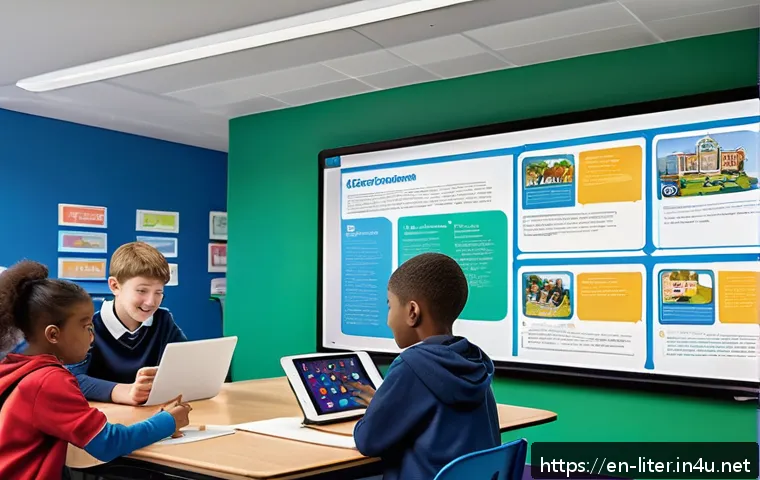
It feels like we’re constantly on our phones, doesn’t it? For adult literacy programs, this ubiquitous digital presence isn’t just a distraction; it’s a massive opportunity we absolutely *have* to embrace.
When I talk to program directors, the fear of the “digital divide” often comes up, especially in underserved communities. But what I’ve seen firsthand, and what research consistently backs, is that integrating technology isn’t just about fancy gadgets; it’s about making learning accessible, engaging, and deeply relevant to our learners’ lives.
Think about it: a significant percentage of adult learners already own smartphones, which opens up a whole world of possibilities for online and blended learning.
We’re talking about everything from using apps for language acquisition to navigating online job applications. My take? We should be weaving digital literacy into every thread of our curriculum, not just offering it as a separate “computer class.” Imagine a writing course where learners use a typing program to improve speed and accuracy, or a math class where Excel isn’t just a spreadsheet, but a tool to manage a household budget.
The beauty of this approach is that learners gain both academic and essential digital skills simultaneously, skills they desperately need for today’s job market.
Online platforms and resources can provide instant feedback, track progress, and even offer personalized learning paths. It’s about meeting learners where they are, literally, and equipping them with the confidence to thrive in a world that’s increasingly online.
We’ve got to ensure they can not only read a text but also discern misinformation, understand data privacy, and confidently interact with AI tools.
Leveraging Experiential Learning: Real-World Skills, Real-World Impact
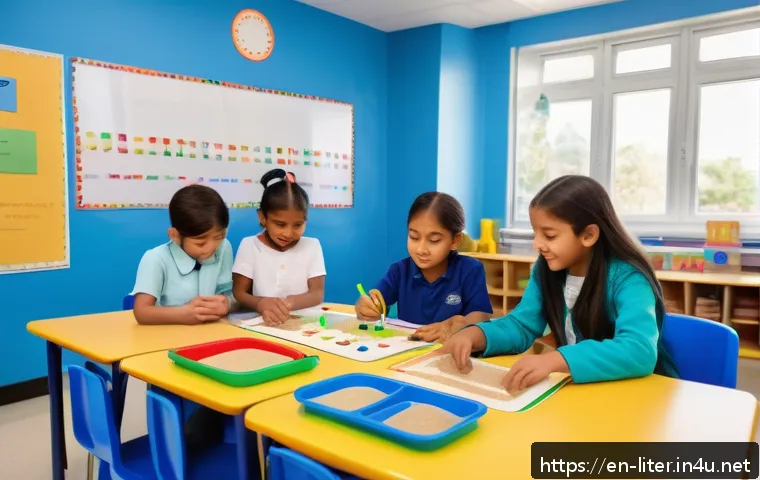
Beyond screens, there’s something incredibly powerful about learning by doing. I’ve always been a believer in getting your hands dirty, and for adult learners, this “experiential learning” approach is an absolute game-changer.
It’s not just about memorizing facts; it’s about connecting new knowledge to their rich, lived experiences. When learners can immediately apply what they’re learning to real-world issues, their engagement and retention skyrocket.
For example, instead of just reading about civic engagement, imagine a program where learners collectively draft a letter to their local council about a community issue.
Or perhaps they work on a project to understand local health information and share it with neighbors. I’ve seen programs incorporate problem-based learning, using case studies or simulations that mirror actual challenges.
This approach doesn’t just teach literacy; it fosters critical thinking, problem-solving, and a sense of personal agency. When adult learners are involved in creating their learning plans and choosing materials relevant to their lives, they become more motivated and committed to their educational journey.
They’re not just students; they’re active participants shaping their own success and the success of their communities. It’s about empowering them to use their newfound skills to make tangible improvements in their lives and the lives of those around them.
This is where real transformation happens.
Designing Engaging Curriculum: Beyond the Textbook
Tailoring Content to Learner Needs and Goals
One size definitely doesn’t fit all, especially in adult literacy. I’ve heard countless stories from learners who felt left behind by traditional education, and it’s often because the content wasn’t relevant to their lives.
That’s why, when designing curriculum, we absolutely must start by listening. What are their personal and professional goals? Are they looking to help their children with homework, get a better job, or understand health information?
These aren’t just details; they’re the fuel for motivation and persistence. A curriculum that focuses on practical knowledge and skills, directly tied to their aspirations, will always outshine one based solely on abstract theories.
I’ve found that breaking down long-term goals into smaller, achievable milestones is incredibly effective. This creates a sense of accomplishment and keeps learners motivated through what can often be a challenging journey.
We need to choose texts and activities that align with their interests and current events, making the learning experience truly engaging. For instance, if a learner is interested in starting a small business, tailor reading materials to include business plans or local regulations.
If they’re passionate about environmental issues, find articles and discussions around that topic. It’s about making the learning personal and powerful, transforming it from a chore into a tool for achieving their dreams.
Fostering a Collaborative and Supportive Learning Environment
Learning can be a vulnerable process, especially for adults returning to education. Creating a safe, welcoming, and collaborative space is paramount. I’ve personally seen the magic that happens when learners feel comfortable enough to share their experiences and learn from one another.
It’s not just about the instructor; it’s about the entire community within the classroom. Encouraging teamwork on practical problems, like a group project to research local job opportunities, can leverage individual strengths and build vital social connections.
Think of it as building a mini-community right there in your program. Regularly checking in with learners, asking for their feedback on methods and content, and actively incorporating their suggestions makes them feel valued and invested.
This collaborative approach extends to discussions and reflections, allowing them to solidify their understanding and gain new perspectives. When instructors model curiosity and create an environment where questions are celebrated, not feared, learners are much more likely to thrive.
It’s about creating a space where everyone feels seen, heard, and empowered to grow.
Securing Sustainable Funding: Fueling Your Program’s Future
Navigating Grant Opportunities and Strategic Partnerships
Let’s be real, passion and good intentions don’t pay the bills. Sustainable funding is the backbone of any successful literacy program, and navigating the world of grants can feel like a full-time job in itself.
From my experience, a multi-pronged approach is essential. We’re talking about government grants, private foundation grants, corporate sponsorships, and local community grants.
Organizations like ProLiteracy, the Dollar General Literacy Foundation, and the Wish You Well Foundation are fantastic places to start, offering specific grants for adult basic education, GED prep, and English language acquisition.
The American Library Association also offers grants to promote literacy through libraries, which is a key community connection. It’s not just about finding grants; it’s about telling your story compellingly.
Show potential funders the tangible impact your program has on individuals and the broader community. Highlight success stories, data on learner progress, and how your initiatives address specific community needs.
Don’t overlook partnerships with local businesses, community centers, or even other educational institutions. These collaborations can open doors to shared resources, volunteer support, and even joint funding applications.
For example, a partnership with a local library can provide access to assessment tools and learning materials. Remember, strong community connections often lead to strong financial support.
Innovative Funding Models and Community Support
Beyond traditional grants, I’ve seen some truly creative funding strategies that tap into local community spirit. Think about crowdfunding initiatives specifically tailored for literacy projects, or local fundraising events that engage the community directly.
Offering childcare support or even covering lost wages for participants can be a huge incentive, removing barriers that often prevent adults from joining programs, and these can be funded through special grants or local sponsorships.
Sometimes, it’s about demonstrating the broader economic impact of literacy. When individuals improve their skills, they gain better employment, contribute more to the local economy, and require fewer social services.
Presenting these long-term benefits to local government and businesses can unlock different types of funding and support. Engaging volunteers is also a form of “in-kind” funding that can dramatically extend your program’s reach without direct cash outlay.
Many successful literacy programs rely heavily on trained volunteer tutors, and foundations like the Dollar General Literacy Foundation even fund training for these volunteers.
It’s about building a robust ecosystem of support where everyone in the community understands the value and importance of investing in adult literacy.
Measuring Success: Beyond Standardized Tests
Holistic Assessment and Tracking Learner Progress
While standardized tests have their place, relying solely on them to measure success in adult literacy programs misses the whole picture. I mean, let’s be honest, who *really* enjoys being tested?
What truly matters are the real-world accomplishments and increased confidence our learners gain. This is where holistic assessment comes in – looking beyond a single score to understand a learner’s growth in all aspects of their lives.
Formative assessments, like quizzes, reflective journals, and short projects, provide ongoing feedback, helping both learners and instructors track progress and identify areas for improvement.
I’ve seen programs use student-led portfolios to showcase their work, from improved writing samples to successful job applications. Peer and self-assessments can empower learners to take ownership of their journey, fostering critical thinking as they evaluate their own work and that of others.
It’s about acknowledging that progress isn’t always linear or easily quantifiable. We need to focus on what adults want and need – whether it’s the ability to read a recipe, help their kids with homework, or confidently fill out a form.
When we celebrate these achievements, big and small, we reinforce their motivation and demonstrate the true impact of our programs.
Demonstrating Impact and Celebrating Achievements

Proving the value of literacy programs to funders and the broader community requires more than just anecdotal evidence; it demands clear demonstration of impact.
This means thoughtfully collecting data on learner outcomes, but not just academic ones. Think about improved employment rates, increased civic participation, or enhanced health literacy.
These are the stories that resonate and illustrate the profound ripple effect of literacy education. I believe in creating opportunities for learners to share their success stories in public forums, whether it’s at an annual program celebration or through local media.
These powerful testimonials can inspire others and build stronger community support. Developing simple, non-threatening ways to track these achievements, perhaps through regular check-ins or surveys that focus on practical life changes, can be incredibly valuable.
When we actively measure and celebrate what matters most to our learners, we create a virtuous cycle: improved skills lead to real-life gains, which in turn fuels motivation and attracts further support for our vital work.
Empowering Educators: Professional Development for the Modern Landscape
Continuous Training for Evolving Learner Needs
Our educators are on the front lines, and frankly, they deserve all the support we can give them. The world of adult literacy is constantly evolving, with new technologies, teaching methodologies, and understanding of learning challenges emerging all the time.
Just like a good athlete needs continuous coaching, our instructors need ongoing professional development to stay at the top of their game. I’ve heard too many stories of dedicated teachers feeling isolated or overwhelmed by new demands.
Programs like First Literacy offer free, evidence-based training, and ProLiteracy provides webinars on best-practice instructional strategies, covering everything from reading comprehension to writing skills for adult learners.
It’s crucial that this training isn’t just a one-off event. We need continuous learning opportunities that cover topics like integrating digital tools, effectively teaching adult learners with emotional disabilities or trauma, and fostering collaborative classrooms.
In my experience, the most impactful professional development comes from active participation and reflection, allowing educators to try out new strategies and discuss their experiences with peers.
This cultivates a community of practice, where knowledge is shared, challenges are addressed, and everyone grows together. Investing in our educators is investing directly in the success of our learners.
Building a Supportive Network for Instructors
Beyond formal training, creating a robust support network for adult literacy educators is absolutely essential. Teaching can be incredibly rewarding, but it can also be emotionally and intellectually demanding.
I’ve found that having a space to connect with peers, share challenges, and celebrate successes makes a world of difference. This could be through online forums, regular in-person meetups, or mentorship programs.
Think of it as a professional family where everyone has each other’s backs. This network isn’t just for emotional support; it’s a powerful engine for innovation and problem-solving.
Educators can share effective lesson plans, discuss strategies for engaging reluctant learners, and collectively navigate new technologies. Organizations often provide comprehensive teaching resources and online training sites to support staff and volunteers, which is fantastic.
When educators feel valued, connected, and continuously supported, they bring their best selves to the classroom, which directly translates into a more dynamic and effective learning experience for our adult learners.
Fostering Lifelong Learning: Cultivating a Growth Mindset
Encouraging Self-Directed Learning and Autonomy
One of the most profound shifts I’ve observed in adult education is the move towards empowering learners to take control of their own educational journey.
We’re not just teaching them to read; we’re teaching them how to *learn*. Adults, unlike children, are typically self-directed and motivated by internal goals.
They come to us with a wealth of life experience, and respecting that experience by giving them agency in their learning is key. In my view, this means providing choices – in course options, content, and even assessment methods.
It’s about equipping them with the tools and strategies to continue learning long after they’ve left our programs. This could involve teaching them how to find reliable information online, how to utilize educational apps, or how to set personal learning goals.
When learners feel a sense of control and responsibility for their education, they are far more likely to challenge themselves and persist through difficulties.
It’s about igniting that spark of curiosity and self-belief that truly makes them lifelong learners.
Connecting Learning to Broader Community Development
What truly elevates a literacy program from good to transformative is its connection to the wider community. I’ve always believed that literacy isn’t just an individual skill; it’s a powerful catalyst for community development and social change.
When adults gain literacy skills, they gain a voice. They can participate more fully in civic activities, advocate for their needs, and even initiate community improvement projects.
I’ve seen incredible examples of this, where literacy programs have become hubs for community action. Learners collaborate to address local issues, from health awareness campaigns to advocating for better local services.
This approach, often called community-based literacy, isn’t just about reading and writing; it’s about empowerment, collective action, and fostering a shared vision for a better community.
By integrating learning with community needs, we not only enhance individual skills but also build stronger, more resilient communities where everyone has the opportunity to thrive.
It’s a beautiful thing to witness.
| Key Elements of Effective Adult Literacy Programs | Description & Benefits |
|---|---|
| Digital Integration | Incorporating technology throughout the curriculum improves accessibility, engagement, and equips learners with essential 21st-century skills for work and daily life. It helps bridge the “digital divide.” |
| Experiential Learning | “Learning by doing” connects new knowledge to learners’ real-world experiences, boosting retention and motivation. It fosters critical thinking and problem-solving through practical application. |
| Learner-Centered Curriculum | Tailoring content to individual goals and interests ensures relevance and increases engagement. Breaking down goals into milestones builds confidence and sustains motivation. |
| Community & Collaboration | Creating a supportive and collaborative learning environment enhances engagement and leverages collective strengths. Peer interaction and group activities foster a sense of belonging. |
| Holistic Assessment | Moving beyond standardized tests to measure real-world accomplishments, confidence, and life improvements provides a more complete picture of success and motivates learners. |
| Ongoing Professional Development | Continuous training and a strong support network for educators ensure they stay updated on best practices and feel valued, directly impacting the quality of instruction. |
Wrapping Things Up
Whew, we’ve covered a lot today, haven’t we? It’s truly inspiring to see how much adult literacy has evolved, embracing everything from the latest tech to deeply human connections. What really strikes me, and what I hope you take away, is that this isn’t just about reading words on a page. It’s about opening up entire worlds of opportunity, building confidence, and empowering individuals to shape their own futures and strengthen their communities. When we invest in adult literacy, we’re not just funding a program; we’re investing in dreams, in potential, and in the very fabric of our society. It’s a journey, and every step, big or small, creates a ripple effect that truly transforms lives. Keep championing this vital work, because the impact is absolutely immeasurable.
Useful Insights for Your Journey
1. Explore Free Online Resources: Don’t underestimate the power of platforms like Khan Academy, Coursera, or even YouTube for basic skills, language learning, or vocational training. Many offer free courses that can be a fantastic starting point for adult learners.
2. Connect with Local Libraries: Libraries are often unsung heroes in the literacy world, offering free classes, one-on-one tutoring, digital literacy workshops, and a wealth of physical and digital learning materials. They’re community hubs for growth.
3. Champion Experiential Learning: When looking for programs or supporting a learner, encourage hands-on activities. Learning by doing, whether it’s managing a mock budget or writing a community letter, makes knowledge stick and builds practical skills.
4. Seek Out Peer Support: Learning can be tough, but having a support network makes it so much easier. Look for programs that foster a collaborative environment, or even help a learner connect with others on a similar journey. Shared experiences are incredibly powerful.
5. Focus on Personal Goals: Remind yourself or your learners why they started. Whether it’s to help children with homework, get a better job, or simply read for pleasure, keeping personal goals at the forefront is the ultimate motivator to sustain long-term engagement.
Key Takeaways
In a nutshell, revolutionizing adult literacy means integrating technology for accessible and engaging learning, leveraging hands-on experiential approaches, and designing curriculum that genuinely meets learners’ individual needs. Crucially, it’s about securing sustainable funding through diverse partnerships and innovative models, while measuring success holistically beyond just test scores. Empowering educators with continuous professional development and strong support networks is paramount, ultimately fostering lifelong learning by encouraging self-direction and connecting education to broader community development. It’s a comprehensive, human-centered approach to unlocking potential.
Frequently Asked Questions (FAQ) 📖
Q: How can literacy programs effectively integrate technology, especially considering the digital divide that many adult learners face?
A: This is such a critical question, and one I grapple with constantly! It’s easy to get excited about all the shiny new tech out there, but we can’t forget that not everyone has the same access or the skills to use it.
When I was consulting for a program in a rural area, we started by assessing what our learners actually had – some had older smartphones, others nothing.
We quickly found that instead of pushing expensive tablets, starting with basic digital literacy was absolutely key. That meant teaching things like how to navigate a simple website, send an email, or even just understand privacy settings on a phone.
My biggest takeaway from that experience? Start small, use free or low-cost tools like Google Docs for collaborative writing or free online reading apps, and build digital skills alongside traditional literacy.
Partnering with local libraries for computer access or even setting up a “tech buddy” system where volunteers help learners one-on-one can bridge that digital divide beautifully.
It’s not just about giving them a device; it’s about giving them the confidence to use it, to explore, and to connect with the world.
Q: What are some practical strategies to keep adult learners motivated and engaged in the long term, especially when life gets in the way?
A: Oh, the long game! Anyone who’s worked in adult education knows that keeping enthusiasm high is tough. Life happens, right?
I’ve personally seen learners come in beaming with excitement, only to get discouraged by unexpected family commitments, work pressures, or a particularly difficult concept.
What truly makes a difference, from my experience, is making the learning incredibly relevant to their daily lives. Instead of generic exercises, we can have them read articles about local community events, help them fill out a job application for a local business, or even write a simple letter to a relative.
Another huge motivator is celebrating every single win, no matter how small. A student finally reading a street sign independently? That’s a huge milestone!
Successfully filling out a complex form? We should absolutely shout it from the rooftops! Creating a supportive community where learners feel safe to make mistakes and cheer each other on is also vital.
I remember one woman who was so shy, but after seeing her classmates confidently read aloud, she started to bloom. It’s about building a tribe, not just a classroom.
When they feel like they belong and are making tangible progress, they’re much more likely to stick with it.
Q: With the growing demand for skills-based training and micro-credentials, how can literacy programs best prepare adults for today’s dynamic job market?
A: This is where we truly empower adults to not just read, but to thrive in the modern world. The job market isn’t waiting for anyone, and traditional literacy alone often isn’t enough to secure a good position.
I’ve found that integrating practical, job-relevant skills directly into literacy lessons is an absolute game-changer. Think about it: instead of just reading a generic story, have learners read and understand an actual job description, practice writing a compelling cover letter, or even role-play a job interview scenario.
Digital literacy is non-negotiable here too – teaching them how to use online job boards effectively, create a basic resume in a tool like Google Docs, or even understand professional email etiquette is crucial.
We also need to be constantly tuned into what local employers are actually looking for. Maybe it’s basic computer skills, customer service communication, or even just strong problem-solving abilities.
Partnering with local businesses or community colleges for workshops or inviting guest speakers can provide those critical insights and connections that directly help learners find employment.
It’s about making literacy a clear, direct stepping stone to real-world opportunities, showing them that every word they learn is a powerful investment in their future.