Unlocking Literacy Success Stories: How Educators Empower Students Through Targeted Support

webmaster

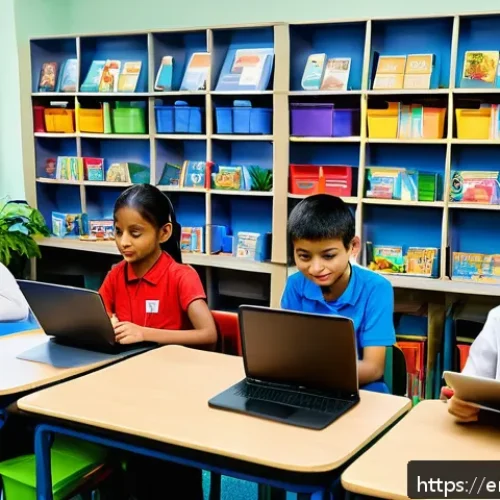
문해교육사와 학생 지원 사례 분석 - A bright and inviting classroom scene showing a diverse group of elementary school children engaged ...

In today’s rapidly evolving educational landscape, literacy remains a cornerstone of student success, yet many learners still face unique challenges. With rising awareness around tailored teaching strategies, educators are stepping up to provide targeted support that truly makes a difference.

문해교육사와 학생 지원 사례 분석 관련 이미지 1

From innovative reading programs to personalized interventions, these efforts are unlocking powerful success stories that inspire both teachers and students alike.

If you’ve ever wondered how focused literacy support can transform a student’s academic journey, you’re in the right place. Let’s dive into how dedicated educators are changing lives by empowering learners to overcome obstacles and thrive.

This is more than just teaching—it’s about opening doors to lifelong learning.

Building Strong Foundations Through Multisensory Literacy Techniques

Engaging Multiple Senses to Enhance Learning

One of the most effective ways to support struggling readers is by tapping into multisensory learning methods. From my experience working with students, incorporating sight, sound, touch, and movement creates a more dynamic learning environment.

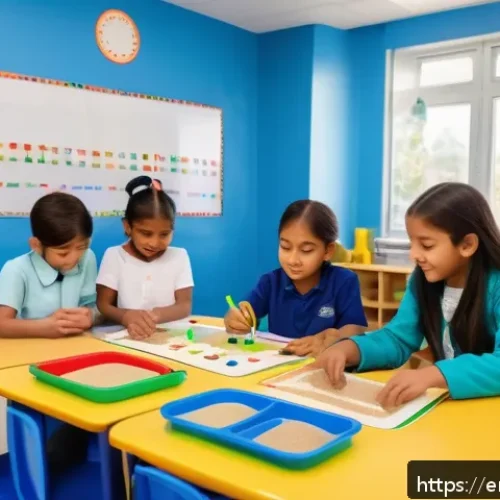
For example, pairing phonics instruction with tactile activities like tracing letters in sand or using magnetic letters helps reinforce letter-sound relationships.

This approach not only keeps students engaged but also caters to different learning styles, making literacy instruction more accessible and memorable.

Personalized Reading Materials That Resonate

Tailoring reading content to match students’ interests and cultural backgrounds can dramatically boost motivation and comprehension. I’ve noticed that when learners read stories connected to their own lives or curiosities, they’re more eager to dive in and discuss what they’ve read.

This emotional connection nurtures a deeper understanding and encourages them to keep practicing. Teachers can curate or adapt texts to reflect diverse experiences, which validates students’ identities and promotes inclusive learning.

Consistent, Positive Feedback to Build Confidence

Providing regular, encouraging feedback is crucial for students who struggle with literacy. From my observations, even small acknowledgments of progress can build a student’s self-esteem and willingness to take risks in reading or writing.

Celebrating milestones, no matter how minor, fosters a growth mindset, helping learners understand that effort leads to improvement. This positive reinforcement creates a safe space where mistakes are seen as learning opportunities rather than failures.

Advertisement

Leveraging Technology to Support Literacy Development

Adaptive Learning Platforms for Targeted Practice

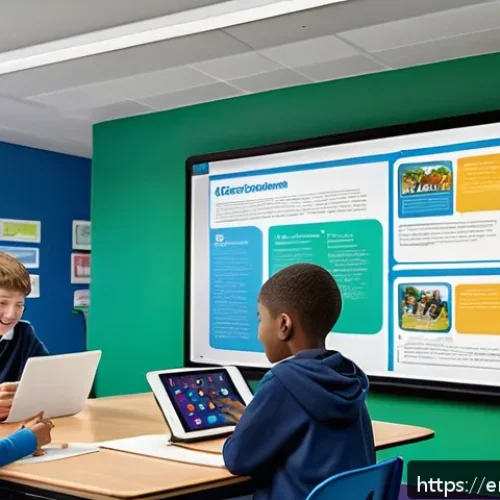
Technology has transformed how educators approach literacy support. Adaptive learning software adjusts to each student’s skill level, offering personalized exercises that target specific gaps.

I’ve used programs that analyze responses in real time, providing immediate feedback and adjusting difficulty accordingly. This tailored practice ensures students aren’t overwhelmed or bored, allowing them to progress at their own pace.

Moreover, data collected helps teachers monitor growth and tailor instruction more effectively.

Interactive E-books and Audiobooks

Interactive e-books and audiobooks are powerful tools for enhancing literacy skills, especially for auditory or visual learners. They combine text with audio narration, animations, and clickable features that clarify meanings or pronunciation.

In my experience, students who struggle with decoding find audiobooks particularly helpful because they can follow along while listening, improving fluency and comprehension simultaneously.

These resources also promote independent reading, which is essential for building stamina and vocabulary.

Gamification to Increase Engagement

Introducing game elements into literacy lessons makes practice enjoyable and motivating. I’ve seen how leaderboards, badges, and timed challenges encourage healthy competition and persistence.

Gamified apps often integrate phonics, vocabulary, and comprehension tasks in playful formats, turning learning into a fun experience rather than a chore.

This shift in mindset can be a game-changer for reluctant readers, keeping them coming back for more practice without pressure.

Advertisement

Collaborative Strategies for Inclusive Literacy Support

Peer Tutoring and Group Reading Sessions

Encouraging peer collaboration creates a supportive learning community where students learn from and motivate each other. In group reading sessions I’ve facilitated, students often feel less intimidated and more willing to participate.

Peer tutoring allows stronger readers to assist those who need more support, reinforcing skills for both parties. This social aspect of learning builds communication skills and empathy, while also providing diverse perspectives on texts.

Family Engagement in Literacy Practices

Involving families in literacy development has been a game-changer in many cases I’ve witnessed. When parents and caregivers understand how to support reading at home, children receive consistent reinforcement.

Workshops, resource guides, or simple activities like shared reading can empower families to become active partners in education. This collaboration bridges school and home environments, creating a more holistic support system for learners.

Professional Collaboration Among Educators

Literacy success often depends on coordinated efforts among teachers, specialists, and administrators. Regular meetings to discuss student progress, share strategies, and adjust interventions ensure that support is consistent and responsive.

I’ve found that when educators pool their expertise, they can craft more effective, individualized plans that address the nuances of each learner’s challenges.

This teamwork fosters a culture of continuous improvement and shared responsibility.

Advertisement

Measuring Progress and Adjusting Interventions

Using Formative Assessments to Guide Instruction

Ongoing assessments provide critical insights into student progress and areas needing reinforcement. I’ve relied on quick, informal checks like running records, fluency drills, and comprehension questions to gauge understanding during lessons.

These snapshots help me adjust the pace and focus of instruction before gaps widen. Formative assessments keep learning dynamic and personalized, rather than waiting for summative tests to reveal struggles.

Tracking Data to Celebrate Growth and Identify Trends

문해교육사와 학생 지원 사례 분석 관련 이미지 2

Data tracking isn’t just about numbers; it tells a story of a student’s journey. I maintain records of reading levels, error patterns, and engagement metrics to spot trends over time.

This information highlights what’s working and what needs tweaking. Sharing progress data with students themselves can be empowering, fostering ownership of their learning and motivating continued effort.

Flexible Intervention Models for Diverse Needs

No two learners are the same, so flexible intervention models are essential. I’ve experimented with pull-out sessions, in-class support, and blended learning to find what fits best for each student.

Adjusting group sizes, session length, and instructional approaches allows for more precise targeting of needs. Flexibility ensures that interventions remain relevant and effective, preventing students from falling behind.

Advertisement

Addressing Emotional and Social Barriers to Literacy

Recognizing the Impact of Anxiety and Self-Doubt

Many learners face emotional hurdles that affect their ability to engage with reading and writing. I’ve noticed that anxiety around making mistakes or past negative experiences can create a mental block.

Addressing these feelings openly and providing reassurance helps students feel safe to try again. Building trust and patience is as vital as academic instruction in these cases.

Incorporating Social-Emotional Learning in Literacy Lessons

Integrating social-emotional learning (SEL) into literacy activities can boost resilience and motivation. For example, discussing characters’ emotions and decision-making in stories offers a chance to develop empathy and self-awareness.

I’ve found that SEL themes in texts encourage students to connect personally, making reading more meaningful and less intimidating.

Creating a Supportive Classroom Culture

A classroom atmosphere that values respect, encouragement, and inclusivity lays the groundwork for literacy success. When students feel accepted and understood, they’re more willing to participate and take risks.

Celebrating diversity and promoting positive peer interactions builds confidence and reduces isolation, which can be major obstacles for struggling readers.

Advertisement

Practical Tools and Resources for Educators

Essential Literacy Assessment Tools

To effectively support learners, having the right assessment tools is key. From phonemic awareness checklists to comprehension rubrics, these resources provide a structured way to identify strengths and weaknesses.

I recommend combining formal tools with observational notes to get a full picture of each student’s abilities.

Recommended Reading Programs and Curricula

Choosing evidence-based reading programs can streamline instruction and improve outcomes. Programs that emphasize systematic phonics, vocabulary development, and comprehension strategies have consistently shown positive results.

I’ve personally seen gains when using curricula that balance skill-building with engaging content tailored to diverse learners.

Community and Online Support Networks

Connecting with other educators through professional learning communities or online forums offers fresh ideas and moral support. Sharing success stories and challenges with peers helps refine approaches and stay motivated.

Additionally, many platforms provide free or low-cost resources, lesson plans, and intervention strategies that can be easily adapted.

Strategy Benefits Example Tools/Programs
Multisensory Techniques Enhances engagement; caters to various learning styles; improves retention Sandpaper letters, magnetic letters, tracing apps
Adaptive Learning Technology Personalizes practice; provides immediate feedback; tracks progress Lexia Core5, Reading Plus, Raz-Kids
Peer Tutoring Builds confidence; fosters collaboration; reinforces skills for tutors Structured buddy reading programs, literacy circles
Formative Assessments Guides instruction; identifies gaps early; monitors ongoing progress Running records, DIBELS, informal fluency checks
Social-Emotional Learning Integration Reduces anxiety; promotes engagement; builds empathy and resilience SEL storybooks, character analysis activities
Advertisement

In Closing

Building strong literacy foundations requires a thoughtful blend of strategies that engage the whole learner—mind, body, and emotions. From multisensory techniques to technology and collaborative support, each approach plays a vital role in making reading accessible and enjoyable. When we address both academic and emotional needs, we empower learners to grow with confidence and resilience.

Advertisement

Helpful Information to Keep in Mind

1. Multisensory learning not only improves retention but also caters to diverse learning preferences, making literacy instruction more inclusive.

2. Technology tools like adaptive platforms and interactive ebooks personalize practice and provide immediate feedback, which accelerates progress.

3. Involving peers and families in literacy activities strengthens motivation and creates a supportive learning environment beyond the classroom.

4. Regular formative assessments allow educators to tailor instruction dynamically, addressing gaps before they widen.

5. Integrating social-emotional learning into literacy lessons helps students overcome anxiety, build empathy, and engage more deeply with texts.

Advertisement

Key Takeaways

Effective literacy development depends on combining personalized, multisensory instruction with technology and collaborative efforts. Consistent positive reinforcement and emotional support are just as crucial as academic strategies. Flexible interventions and ongoing progress monitoring ensure that teaching meets each learner’s unique needs. Ultimately, fostering a respectful and encouraging environment lays the foundation for lifelong literacy success.

Frequently Asked Questions (FAQ) 📖

Q: uestions about Focused Literacy SupportQ1: How does personalized literacy support improve a student’s learning experience?

A: Personalized literacy support tailors teaching methods to meet individual student needs, which can significantly boost engagement and comprehension. From my own experience working with students, when reading materials and strategies align with a learner’s unique challenges and interests, they feel more motivated and confident.
This targeted approach helps bridge gaps that generic teaching might overlook, leading to noticeable improvements in reading skills and overall academic performance.

Q: What are some effective strategies educators use to support struggling readers?

A: Educators often combine several approaches, such as one-on-one tutoring, multisensory learning techniques, and technology-assisted programs. For example, I’ve seen how integrating audio books with visual aids helps students who struggle with decoding words.
Additionally, consistent progress monitoring allows teachers to adjust interventions quickly, ensuring that the support remains effective. The key is flexibility and responsiveness to each student’s evolving needs.

Q: Can focused literacy interventions impact a student’s confidence and motivation beyond academics?

A: Absolutely. When students begin to see tangible progress in their reading abilities, it often boosts their self-esteem and eagerness to participate in class.
I’ve noticed that these gains extend beyond literacy; students become more willing to tackle challenges in other subjects and develop a positive attitude toward learning overall.
This ripple effect underscores why literacy support is about much more than reading—it’s about empowering students for lifelong success.

📚 References


➤ Link

– Google Search

➤ Link

– Bing Search

➤ Link

– Google Search

➤ Link

– Bing Search

➤ Link

– Google Search

➤ Link

– Bing Search

➤ Link

– Google Search

➤ Link

– Bing Search

➤ Link

– Google Search

➤ Link

– Bing Search

➤ Link

– Google Search

➤ Link

– Bing Search

➤ Link

– Google Search

➤ Link

– Bing Search
Advertisement