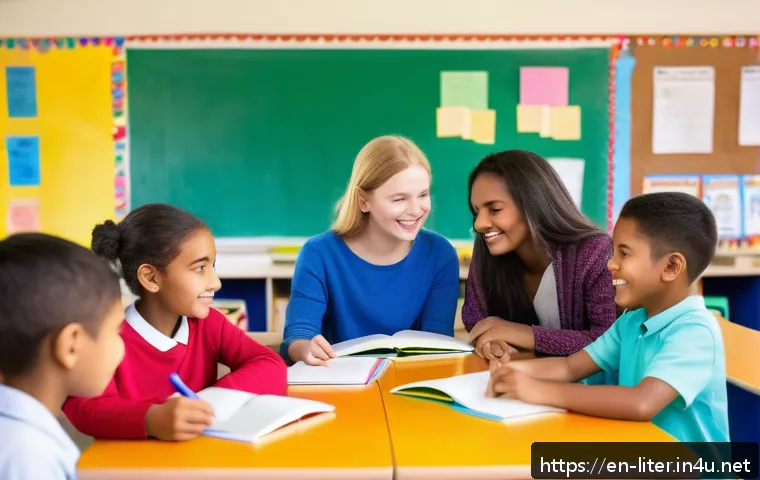
In today’s fast-paced world, keeping learners motivated is more crucial than ever to ensure literacy education truly sticks. With so many distractions vying for attention, finding strategies that spark genuine enthusiasm can transform the learning experience.
I’ve seen firsthand how motivation techniques not only boost engagement but also lead to lasting success in reading and writing skills. Whether you’re an educator, parent, or learner yourself, understanding these proven methods can make all the difference.
Let’s explore how motivation becomes the secret ingredient to unlocking literacy potential and turning challenges into achievements. Stick around—this journey into effective learning motivation might just change the way you approach education forever.
Creating a Learning Environment That Inspires
Designing Spaces That Encourage Curiosity
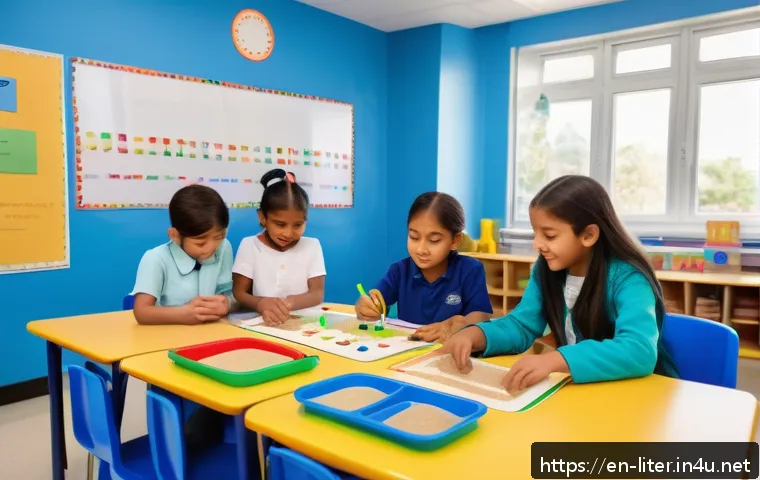
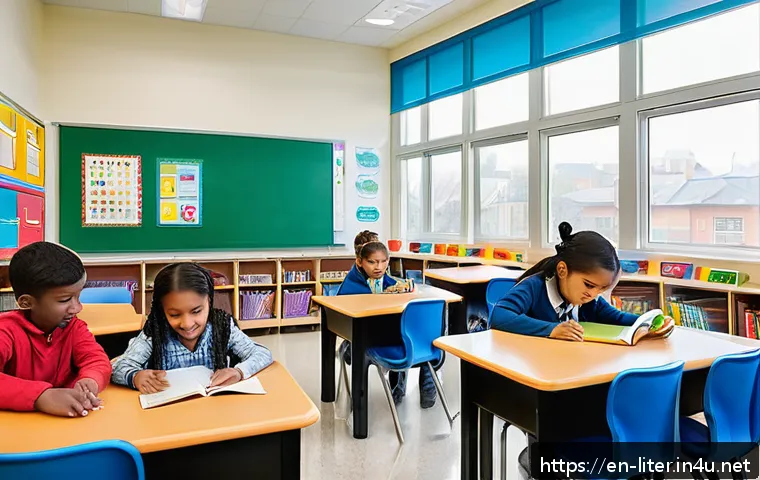
When it comes to motivating learners, the environment plays a surprisingly big role. I’ve noticed that when classrooms or learning areas are bright, colorful, and filled with interactive materials, students naturally feel more drawn to engage.
It’s not just about aesthetics; it’s about creating a space where curiosity is rewarded. For example, having bookshelves within easy reach or posters with fun facts can spark spontaneous questions and discussions.
This kind of setting feels less like a chore and more like an adventure waiting to unfold. From my experience, learners tend to linger longer and dive deeper into tasks when their surroundings feel welcoming and stimulating.
Encouraging Collaboration and Peer Support
Motivation often flourishes when learners feel connected to others. Group activities and peer-to-peer learning can transform a dull lesson into a lively exchange of ideas.
I’ve seen shy students bloom when paired with a buddy or small group, especially when they realize they’re not alone in their struggles. Collaboration also introduces an element of accountability and shared success, which can be incredibly motivating.
Teachers or parents who foster a culture of mutual encouragement create a safety net where mistakes are seen as learning opportunities, not failures. This social aspect of learning often makes the process more enjoyable and less intimidating.
Personalizing Learning to Match Interests
Nothing kills motivation faster than a one-size-fits-all approach. From my time working with diverse learners, I can say tailoring lessons to individual interests and strengths makes a huge difference.
When a learner is reading about a topic they love, whether it’s sports, animals, or technology, their engagement skyrockets. It’s like flipping a switch from “I have to do this” to “I want to know more.” Personalization can be as simple as offering choices in reading materials or writing prompts.
This respect for individual preferences not only boosts motivation but also helps learners build confidence in their own abilities.
Incorporating Goal-Setting for Continuous Progress
Setting Realistic and Achievable Milestones
Goal-setting isn’t just a buzzword; it’s a powerful motivator when done right. I’ve found that helping learners set small, clear, and achievable goals keeps them focused and gives them a sense of accomplishment along the way.
For example, instead of a vague goal like “improve reading,” breaking it down into “read one short story per week” or “learn five new vocabulary words daily” makes progress measurable and less overwhelming.
Celebrating these small victories fuels motivation because learners see that their efforts are paying off, encouraging them to keep pushing forward.
Tracking Progress Visibly
Keeping track of progress in a way that learners can see makes a huge psychological impact. Charts, stickers, or digital badges can serve as constant reminders of how far they’ve come.
From what I’ve observed, learners tend to stay motivated longer when they can visually monitor their achievements. This method also adds an element of fun and gamification to the learning process, which can be especially effective for younger students.
Visible progress turns abstract effort into concrete results, helping learners stay committed even when the material becomes challenging.
Reflecting on Challenges and Adjusting Goals
Not every goal will be met on the first try, and that’s perfectly okay. In fact, reflecting on what didn’t work is a crucial part of motivation. I encourage learners to think about obstacles they encountered and adjust their goals accordingly.
This approach prevents frustration from turning into discouragement. It’s about building resilience and understanding that setbacks are part of the journey, not the end of it.
When learners see that they have control over their goals and can adapt them, motivation tends to stay intact and even grow stronger.
Using Rewards and Recognition Effectively
Balancing Intrinsic and Extrinsic Motivation
While rewards can be a great motivator, striking the right balance between intrinsic (internal) and extrinsic (external) motivation is key. From my experience, relying solely on external rewards like prizes or points can sometimes make learners dependent on them, reducing their natural desire to learn.
On the other hand, intrinsic motivation—such as feeling proud of mastering a skill or enjoying the learning process—leads to deeper, longer-lasting engagement.
The trick is to use rewards as encouragement without letting them overshadow the joy of learning itself.
Tailoring Rewards to Individual Preferences
Not all rewards motivate everyone in the same way. I’ve noticed that some learners respond well to verbal praise, while others prefer tangible rewards or additional privileges, like extra free time or choosing the next reading topic.
Understanding what truly motivates each learner can enhance the effectiveness of reward systems. It’s also important to make rewards meaningful and related to learning achievements rather than arbitrary.
This way, learners associate their effort with positive outcomes that are relevant and satisfying.
Celebrating Effort, Not Just Outcomes
Focusing on effort rather than just results encourages a growth mindset. I always emphasize the value of persistence, creativity, and improvement, even if the final product isn’t perfect.
Celebrating effort helps learners feel that their hard work matters and reduces fear of failure. This shift in perspective keeps motivation high because learners are not discouraged by mistakes but see them as opportunities to grow.
It’s a powerful way to build confidence and sustain enthusiasm over time.
Leveraging Technology to Engage Learners
Interactive Apps and Digital Tools
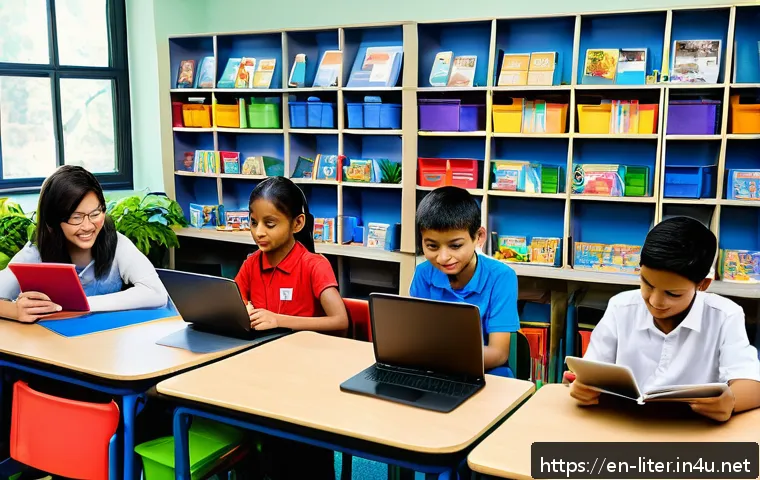
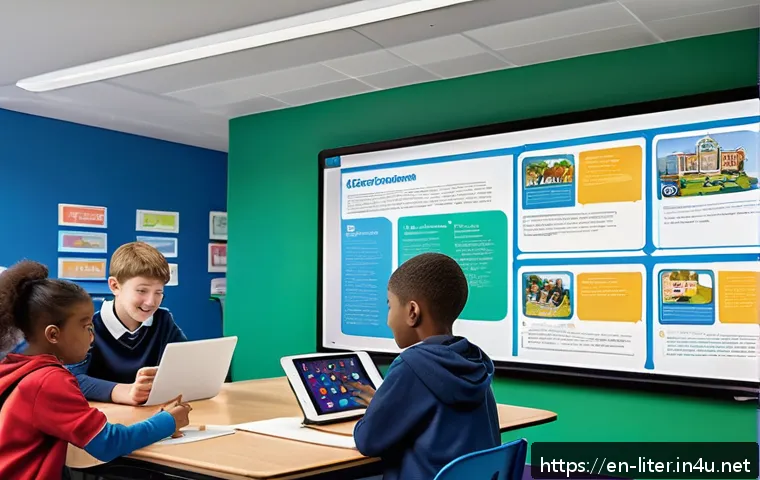
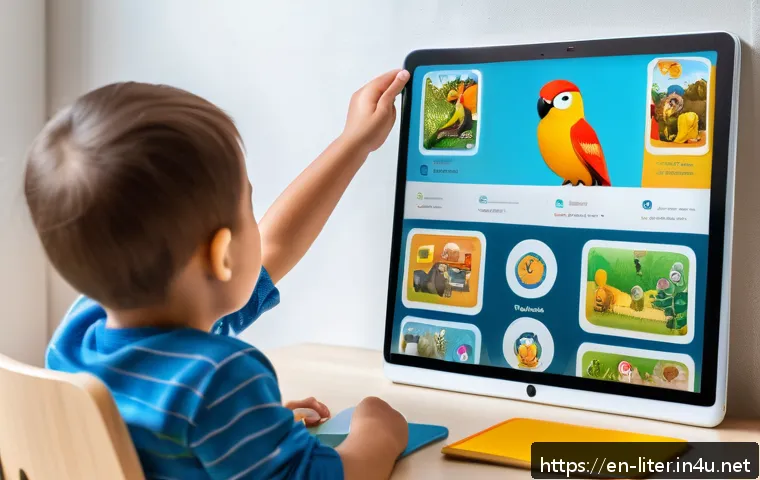
Technology can be a game-changer when it comes to motivating learners, especially digital natives who are used to interactive and multimedia experiences.
I’ve experimented with various apps that turn reading and writing into interactive games, quizzes, or storytelling adventures. These tools often provide instant feedback and rewards, which keep learners hooked and eager to improve.
The key is choosing technology that complements learning goals rather than distracts from them. When used thoughtfully, digital tools can make literacy education more accessible and fun.
Creating Opportunities for Creative Expression
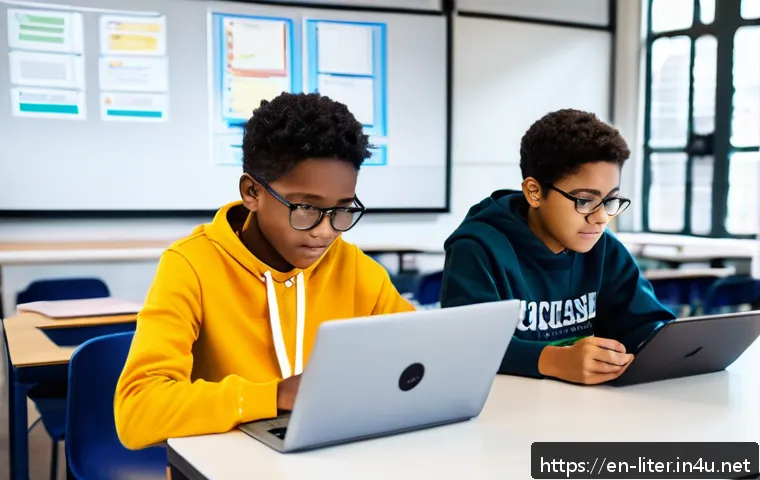
Digital platforms offer learners the chance to express themselves creatively through blogs, videos, podcasts, or digital storytelling. I’ve seen learners become more motivated when they realize their work can reach a wider audience beyond the classroom.
This real-world application gives a sense of purpose and pride that traditional assignments may lack. Providing opportunities for learners to share their ideas and stories publicly boosts motivation and helps them develop communication skills alongside literacy.
Tracking and Personalizing Learning Journeys
Many educational technologies include features that track learner progress and adapt content to individual needs. I found that personalized learning paths not only keep learners challenged at the right level but also build motivation by avoiding frustration or boredom.
When learners feel the material is tailored just for them, they tend to take ownership of their learning. This customization, combined with gamified elements, creates a compelling experience that encourages consistent effort and growth.
Building Confidence Through Positive Feedback
Providing Specific and Constructive Comments
General praise like “good job” is nice but can feel hollow. I’ve learned that specific feedback pointing out exactly what was done well and where improvement is needed makes a huge difference.
For instance, telling a learner “Your use of descriptive words really helped paint a vivid picture” feels more meaningful and motivating than a vague compliment.
Constructive comments that offer clear guidance help learners understand their progress and how to keep improving, which fosters a growth mindset and boosts confidence.
Encouraging Self-Assessment and Reflection
Helping learners reflect on their own work builds metacognition and motivation. When I encourage learners to identify their strengths and areas for improvement, they become more engaged in their learning process.
This self-awareness promotes ownership and reduces reliance on external validation. It also helps learners set personal goals that feel relevant and achievable.
Reflection activities can be simple journaling, checklists, or guided questions that prompt honest evaluation and celebrate growth.
Creating a Supportive Atmosphere for Risk-Taking
Learning to read and write often involves making mistakes, and a supportive environment is essential for learners to take risks without fear. I’ve seen motivation soar when learners know that errors are part of learning and that they won’t be judged harshly.
Positive feedback combined with encouragement to try new things helps learners push boundaries and explore their potential. This psychological safety net fosters resilience and sustained motivation, making the learning journey less daunting and more rewarding.
Understanding the Role of Emotions in Learning
Recognizing and Addressing Anxiety and Frustration
Literacy learning can sometimes trigger anxiety or frustration, especially if progress feels slow. I’ve worked with learners who initially resisted reading or writing because of past negative experiences.
Acknowledging these emotions and providing strategies to cope—like taking breaks, breathing exercises, or positive affirmations—can help learners regain motivation.
Emotional support is often overlooked but is critical for creating a mindset where learners feel safe to engage and persist despite challenges.
Fostering Joy and Curiosity
Emotions like joy and curiosity are natural motivators. I make it a point to introduce playful activities, storytelling, and real-life connections to the material.
When learners experience genuine enjoyment, their brains are more primed to absorb and retain information. Curiosity-driven questions and challenges also spark a desire to explore further.
This emotional engagement transforms literacy from a task into a meaningful and enjoyable part of life, making motivation more intrinsic and enduring.
Building Meaningful Connections to Content
When learners see how reading and writing relate to their lives and interests, motivation deepens. I’ve found that connecting lessons to personal stories, cultural backgrounds, or current events makes content more relevant and engaging.
This relevance helps learners feel seen and understood, which boosts their emotional investment. Meaningful connections turn literacy skills into tools for expression and empowerment, fostering a motivation that comes from within rather than external pressure.
| Motivation Strategy | Key Benefits | Practical Application |
|---|---|---|
| Personalized Learning | Increases engagement by aligning with interests | Offer choice in reading topics and writing prompts |
| Goal-Setting | Provides clear milestones and sense of achievement | Set small, measurable goals and track progress visibly |
| Positive Feedback | Builds confidence and encourages effort | Give specific praise and constructive comments |
| Collaborative Activities | Enhances social support and accountability | Use group projects and peer learning sessions |
| Technology Integration | Makes learning interactive and personalized | Incorporate apps, digital storytelling, and adaptive tools |
| Emotional Support | Reduces anxiety and fosters resilience | Address feelings openly and use coping strategies |
In Conclusion
Creating a motivating learning environment requires thoughtful design, personalized goals, and meaningful feedback. When learners feel supported emotionally and intellectually, their engagement naturally increases. Integrating technology and fostering collaboration further enrich the experience. Ultimately, motivation grows strongest when learners see learning as a purposeful and enjoyable journey.
Helpful Tips to Remember
1. Design learning spaces that are inviting and stimulate curiosity to encourage deeper engagement.
2. Set clear, achievable goals and track progress visibly to maintain focus and celebrate milestones.
3. Provide specific and constructive feedback to build confidence and promote a growth mindset.
4. Use technology wisely to personalize learning and make it interactive without distractions.
5. Recognize the emotional side of learning by addressing anxiety and fostering joy and curiosity.
Key Takeaways
Motivation thrives in an environment where learners feel connected, valued, and challenged at their own pace. Personalization, collaborative support, and thoughtful use of rewards contribute to sustained engagement. Positive feedback and emotional encouragement build resilience and confidence, helping learners embrace challenges without fear. By combining these elements, educators and parents can inspire lifelong motivation and a love for learning.
Frequently Asked Questions (FAQ) 📖
Q: uestions about Motivating Learners in Literacy EducationQ1: What are some effective ways to keep learners motivated in reading and writing?
A: From my experience, mixing up activities keeps things fresh—like combining storytelling, games, and real-life writing tasks. Celebrating small wins, such as finishing a chapter or writing a paragraph, really helps build confidence.
Also, connecting reading materials to learners’ interests makes a huge difference. For example, if a learner loves sports, using sports articles or stories can spark genuine enthusiasm.
The key is to make learning feel relevant and rewarding, not just another chore.
Q: How can parents support their children’s motivation to improve literacy at home?
A: Parents play a huge role by creating a positive and encouraging environment. I’ve seen that setting aside a cozy, distraction-free reading nook and dedicating consistent time each day for reading or writing together fosters motivation.
Asking open-ended questions about stories or encouraging kids to express their thoughts in writing helps deepen engagement. Importantly, showing genuine interest and praising effort rather than perfection makes children feel supported and eager to keep trying.
Q: What challenges might learners face in staying motivated, and how can educators overcome them?
A: Learners often struggle with motivation due to frustration, lack of confidence, or competing distractions like screens. Educators can overcome this by personalizing lessons to match learners’ skill levels and interests, breaking down tasks into manageable steps, and offering frequent, constructive feedback.
Incorporating technology thoughtfully—like interactive apps or audiobooks—can also capture attention without overwhelming. The most effective approach I’ve noticed is building a trusting relationship where learners feel safe to make mistakes and celebrate progress, turning challenges into stepping stones rather than roadblocks.