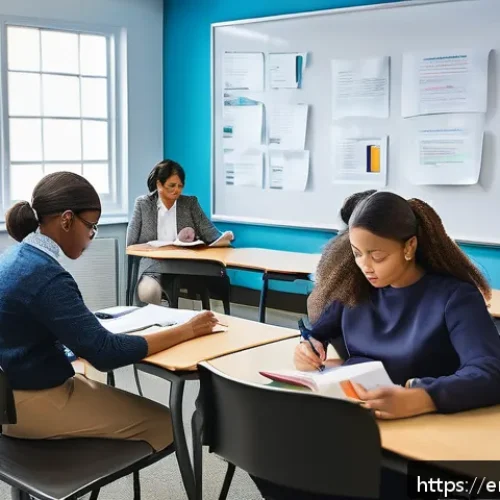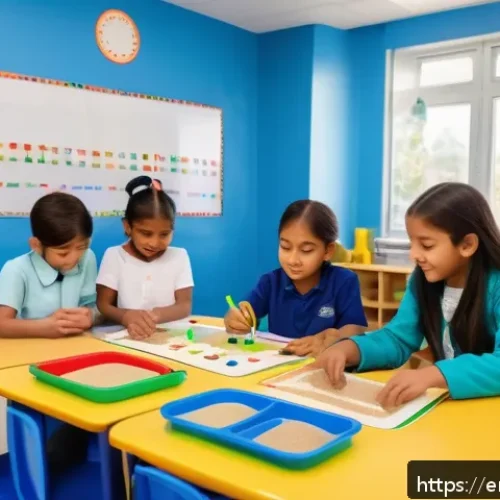
In today’s rapidly diversifying classrooms, embracing multicultural education has become more important than ever. With students from various linguistic and cultural backgrounds, traditional language learning methods often fall short.

I’ve noticed firsthand how incorporating multicultural perspectives not only boosts literacy but also fosters a deeper connection among learners. This approach transforms language education into an inclusive experience where every voice matters.
If you’re curious about how this shift is shaping the future of language learning, stick around—there’s so much to explore!
Creating Language-Rich Environments That Celebrate Diversity
Designing Classrooms That Reflect Cultural Variety
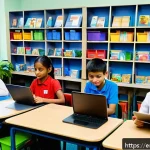
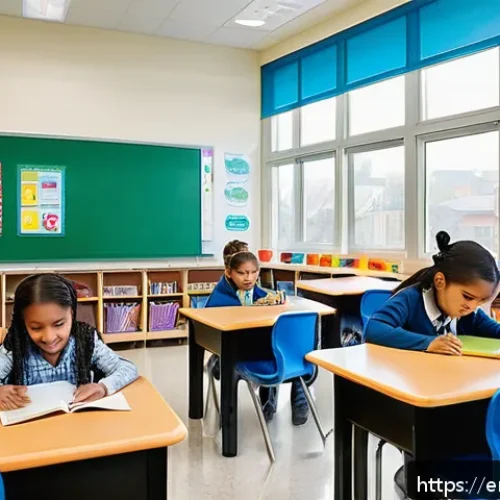
Crafting a learning space that mirrors the diverse backgrounds of students isn’t just about decoration; it’s about embedding cultural elements into every corner of the classroom.
From posters that showcase multiple languages to books that tell stories from various cultures, these visual and textual cues serve as daily affirmations for students that their heritage is valued.
In my experience, when students see their own cultures represented, their enthusiasm for participation skyrockets. It’s like the classroom becomes a mosaic of voices, each piece contributing to a richer, more engaging language experience.
This environment encourages natural curiosity and respect among peers, making language acquisition feel less like rote memorization and more like a meaningful exchange.
Incorporating Multilingual Resources to Boost Engagement
One of the biggest game-changers I’ve noticed is the use of multilingual resources that don’t just translate words but celebrate linguistic nuances. Utilizing dual-language books, bilingual flashcards, and digital apps tailored to various mother tongues helps bridge the gap between home and school language use.
Students often feel more confident when they can connect new vocabulary to their native language, which reinforces retention. Moreover, allowing learners to share idioms or expressions from their first language fosters mutual respect and opens doors to deeper cultural understanding.
This approach also supports English learners by validating their existing language skills, which is critical for building confidence and motivation.
Engaging Families as Partners in Language Learning
Bringing families into the fold transforms language education into a community effort. Hosting cultural nights, inviting parents to share stories or songs, and providing multilingual newsletters are ways I’ve seen schools successfully build bridges between home and classroom.
These interactions don’t just enhance students’ linguistic abilities; they create a sense of belonging and pride that spills over into academic performance.
When families feel included and valued, they become active supporters of their children’s learning journeys. This partnership also provides educators with insights into students’ cultural contexts, enabling more personalized and effective teaching strategies.
Adapting Teaching Techniques for Varied Learning Styles
Using Visual and Kinesthetic Methods to Support Language Acquisition
Not every student learns best through traditional lectures or textbook exercises. From my time in diverse classrooms, incorporating visual aids like infographics, videos, and realia has made a huge difference.
Kinesthetic activities—such as role-playing, gestures, and hands-on projects—allow learners to physically engage with language concepts, which helps solidify understanding.
These methods especially benefit students who might struggle with abstract language rules or who come from oral traditions. When lessons tap into multiple senses, they become more memorable and accessible, helping students internalize new words and grammar patterns naturally.
Encouraging Collaborative Learning Through Group Activities
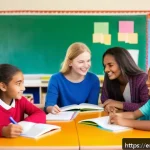
Language is inherently social, so creating opportunities for students to work together is crucial. Group projects, peer teaching, and conversational circles invite learners to practice speaking and listening in supportive settings.
I’ve observed that when students from different linguistic backgrounds collaborate, they not only improve their language skills but also develop empathy and intercultural competence.
These social interactions break down barriers, allowing language to flow more freely. Importantly, group activities can be designed to assign roles that play to each student’s strengths, making the experience rewarding and reducing anxiety around language performance.
Integrating Technology to Personalize Language Practice
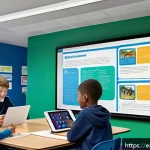
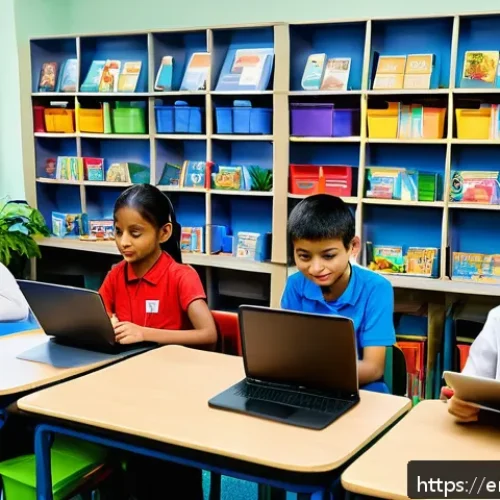
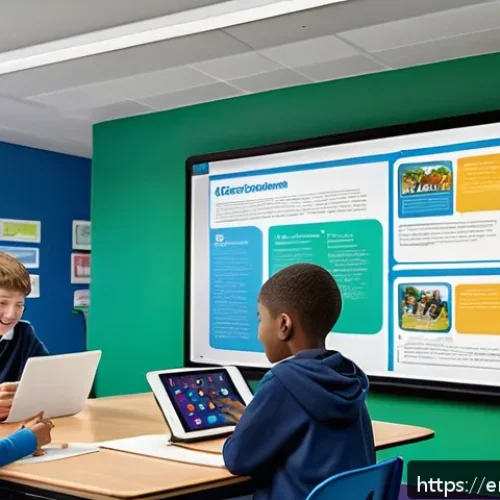
Technology opens up a world of possibilities for tailoring language learning to individual needs. Apps that adapt to a learner’s level, online forums where students can chat in real time, and multimedia assignments that combine audio, text, and visuals make language practice dynamic and engaging.
From what I’ve seen, technology also enables learners to explore language outside the classroom at their own pace, which is critical for retention. However, it’s essential to balance screen time with interpersonal interaction to maintain the human connection that language learning thrives on.
When used thoughtfully, tech tools can amplify both engagement and achievement.
Evaluating Progress with Culturally Responsive Assessment
Moving Beyond Standardized Tests
Standardized testing often fails to capture the true progress of students from diverse backgrounds because it doesn’t account for cultural differences or language acquisition stages.
I’ve found that incorporating alternative assessments like portfolios, presentations, and reflective journals provides a fuller picture of a learner’s growth.
These methods allow students to demonstrate language skills in authentic contexts, reducing anxiety and encouraging creativity. Plus, they foster self-awareness as students track their own learning journeys, which builds motivation and ownership.
Using Formative Assessments to Guide Instruction
Ongoing, low-stakes assessments give educators real-time insights into what’s working and what needs adjustment. Techniques such as exit tickets, quick writes, and peer feedback sessions help identify challenges early and tailor support accordingly.
I’ve often relied on these formative tools to make lessons more responsive and inclusive. This approach respects the pace at which each student learns and provides continuous encouragement, which is especially important in multicultural settings where language proficiency levels vary widely.
Recognizing Language Strengths and Growth Areas
A strengths-based approach shifts the focus from deficits to potential. Celebrating small wins—whether it’s mastering a tricky pronunciation or successfully using a new idiom—builds confidence and resilience.
I make it a point to highlight these achievements publicly, which encourages students to keep pushing their limits. At the same time, clearly identifying areas for improvement helps set realistic goals and personalized learning paths.
This balanced feedback nurtures a growth mindset, essential for sustained language development.
Fostering Emotional Connections Through Language Learning

Building Trust and Safety in the Classroom
Language learning can be intimidating, especially when students fear making mistakes or facing judgment. Creating a classroom culture where errors are seen as natural steps rather than failures is crucial.
I’ve noticed that when students feel emotionally safe, they’re more willing to take risks and participate actively. Establishing routines that encourage positive reinforcement, empathy, and open communication lays the foundation for this trust.
This emotional security doesn’t just improve language outcomes; it promotes overall well-being and social cohesion.
Encouraging Storytelling to Connect Cultures
Stories are powerful tools for bridging cultural divides. Inviting students to share personal narratives or family traditions in their own words fosters empathy and understanding among classmates.
I’ve witnessed how storytelling ignites excitement and pride, giving students a chance to shine while practicing language skills. These exchanges often reveal common themes and values, highlighting our shared humanity despite linguistic differences.
This emotional engagement makes language learning deeply meaningful and memorable.
Supporting Identity Development Through Language
Language is a core part of identity, and supporting students in expressing themselves authentically matters. Encouraging the use of heritage languages alongside English helps maintain cultural roots and strengthens self-esteem.
I’ve seen that when learners feel their full identities are honored, they become more confident communicators. This dual affirmation supports bilingualism and biliteracy, both of which have long-term cognitive and social benefits.
It’s important to create space for these identities to flourish within the language learning journey.
Practical Strategies for Inclusive Language Instruction
Adapting Curriculum to Reflect Student Experiences
When curriculum content resonates with students’ lives and cultures, engagement naturally increases. I make it a point to integrate themes, texts, and examples that reflect the diverse realities of my learners.
This relevance transforms lessons from abstract exercises into meaningful explorations of language and culture. It also validates students’ backgrounds, showing that their experiences matter in academic settings.
Flexibility in curriculum design allows for responsiveness to changing classroom dynamics and individual interests.
Promoting Critical Thinking Through Multicultural Materials
Using diverse texts and media that challenge stereotypes and invite reflection encourages students to think critically about language and society. In my practice, discussions sparked by multicultural materials often lead to richer vocabulary use and deeper comprehension.
These conversations help students develop analytical skills and cultural sensitivity simultaneously. It’s a powerful way to connect language learning with real-world issues and ethical considerations.
Facilitating Peer Mentoring and Language Buddies
Pairing students strategically can foster mutual support and accelerate language development. I’ve implemented language buddy systems where more proficient speakers guide peers in a relaxed, nonjudgmental setting.
This peer interaction not only improves language skills but also builds friendships across cultural lines. It creates a collaborative atmosphere that reduces isolation and promotes shared responsibility for learning.
Summary Table: Key Elements of Multicultural Language Learning
| Element | Description | Benefits |
|---|---|---|
| Culturally Responsive Environments | Classrooms decorated and resourced to reflect students’ diverse cultures and languages. | Increases engagement and a sense of belonging. |
| Multilingual Resources | Use of bilingual books, apps, and materials that connect home languages with target language. | Supports comprehension and confidence. |
| Family Involvement | Engaging families through events, communication, and shared learning experiences. | Strengthens community and learner motivation. |
| Adaptive Teaching Methods | Incorporating visual, kinesthetic, and collaborative activities tailored to varied learning styles. | Enhances retention and participation. |
| Culturally Sensitive Assessment | Using diverse evaluation methods beyond standardized tests. | Provides a fuller picture of student progress. |
| Emotional Support | Creating a safe, trusting environment that values identity and storytelling. | Fosters risk-taking and deeper connections. |
| Inclusive Curriculum | Adapting content to reflect student experiences and promote critical thinking. | Increases relevance and cultural awareness. |
| Peer Collaboration | Organizing mentoring and buddy systems to support language practice. | Builds community and accelerates learning. |
In Conclusion
Creating language-rich environments that honor cultural diversity is essential for meaningful language learning. When classrooms reflect students’ backgrounds and teaching adapts to varied needs, engagement and confidence naturally grow. Building strong connections among students, families, and educators fosters a supportive community that enhances both language skills and personal development. Embracing these strategies leads to more inclusive, effective, and joyful learning experiences.
Helpful Information to Keep in Mind
1. Incorporate diverse cultural materials to make students feel seen and valued, boosting their enthusiasm for learning.
2. Use multilingual resources that connect home languages with the target language to improve understanding and retention.
3. Engage families as active partners to create a stronger support system for students’ language journeys.
4. Adapt teaching methods to include visual, kinesthetic, and collaborative activities that cater to different learning styles.
5. Employ culturally responsive assessments and provide emotional support to nurture confidence and a growth mindset.
Key Takeaways
Fostering an inclusive language learning environment requires intentional efforts that reflect students’ diverse identities and experiences. Prioritizing culturally relevant materials, family involvement, adaptive teaching strategies, and supportive assessments creates a foundation for both academic success and personal growth. Emotional safety and community-building play crucial roles in encouraging risk-taking and authentic expression. Ultimately, these combined approaches empower learners to thrive in multilingual settings and embrace their unique cultural voices.
Frequently Asked Questions (FAQ) 📖
Q: uestions about Multicultural Education in Language LearningQ1: How does multicultural education improve language learning outcomes?
A: Incorporating multicultural education enriches language learning by connecting students’ diverse cultural backgrounds with the language content. This relevance sparks motivation and engagement, making learners more eager to participate.
From my experience, when students see their culture reflected in lessons, they feel valued and confident, which naturally boosts literacy and communication skills.
It turns abstract grammar rules into meaningful conversations, helping learners internalize language more effectively.
Q: What challenges might teachers face when implementing multicultural education?
A: One common hurdle is balancing the diverse needs of students without overwhelming the curriculum. Teachers may struggle with limited resources or insufficient training on cultural competence.
Also, managing different language proficiencies in one classroom can be tricky. However, by using inclusive materials and encouraging open dialogue, educators can create a supportive environment.
I’ve found that collaborating with students and their families helps tailor lessons that respect each culture while maintaining academic standards.
Q: Can multicultural education help reduce cultural biases and promote inclusivity?
A: Absolutely. Multicultural education goes beyond language skills—it fosters empathy and cultural awareness. When students learn about each other’s traditions and perspectives, stereotypes naturally diminish.
In my teaching experience, classrooms embracing this approach become communities where respect and curiosity thrive. This not only improves social dynamics but also prepares students to engage confidently in a globalized world, making language learning a truly transformative experience.