Unlocking Literacy Success How Educators Can Create Engaging Learning Environments for Every Student

webmaster

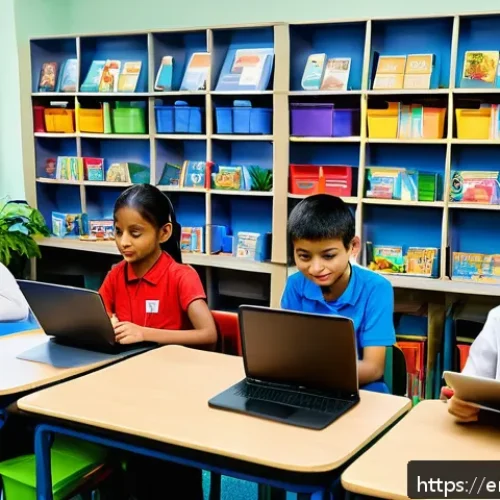
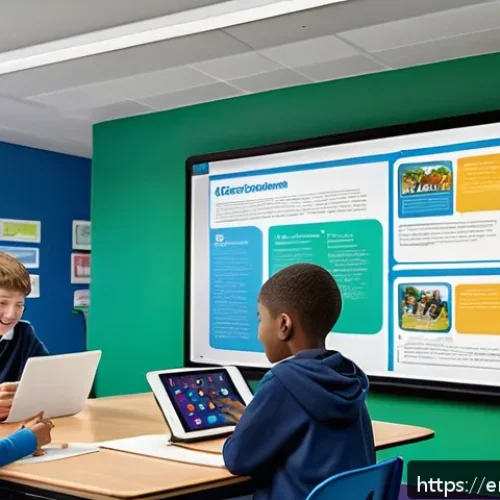
문해교육사와 학습 환경 조성 팁 - A modern elementary classroom scene featuring diverse students engaged with interactive storytelling...

In today’s rapidly evolving educational landscape, fostering literacy goes beyond traditional reading and writing—it’s about creating vibrant, inclusive spaces where every student feels inspired to learn.

문해교육사와 학습 환경 조성 팁 관련 이미지 1

With new technologies and diverse learning needs shaping classrooms, educators face exciting challenges and opportunities to engage students like never before.

If you’ve ever wondered how to transform your teaching approach to unlock each learner’s potential, you’re in the right place. Let’s explore practical strategies that bring literacy to life, making learning both meaningful and accessible for all.

Stick around—this journey could change the way you see education forever.

Creating Dynamic Literacy Experiences Through Technology

Leveraging Digital Tools for Interactive Learning

Incorporating technology into literacy education isn’t just about using tablets or smartboards; it’s about crafting experiences where students actively participate in their learning journey.

For example, interactive storytelling apps allow learners to choose story paths, enhancing comprehension and engagement. I’ve noticed that when students can manipulate text or visuals digitally, their curiosity spikes, and they tend to retain information better.

These tools also support varied learning styles—visual, auditory, and kinesthetic—making literacy more accessible for everyone in the classroom. The key is to select platforms that encourage creativity and critical thinking rather than passive consumption.

Balancing Screen Time with Traditional Literacy Activities

While technology is a powerful ally, it’s essential to strike a balance to avoid overwhelming students or diminishing foundational skills. I often blend digital reading sessions with hands-on activities like book discussions or journaling.

This mix ensures that learners develop critical thinking and writing skills alongside digital literacy. It’s helpful to set clear objectives for screen-based tasks, making sure they complement rather than replace traditional methods.

In my experience, this balanced approach fosters deeper understanding and keeps students motivated over time.

Using Data Analytics to Tailor Literacy Instruction

One of the most exciting technological advances is the ability to use data analytics to personalize learning. Many literacy platforms now provide insights into each student’s strengths and areas for improvement.

By analyzing reading speed, comprehension quiz results, and even engagement patterns, educators can adjust lessons to meet individual needs. From my perspective, this data-driven approach transforms literacy instruction from a one-size-fits-all model into a tailored experience that respects each learner’s pace and style, ultimately boosting confidence and success.

Advertisement

Building Inclusive Classrooms That Celebrate Diversity

Incorporating Multicultural Literature to Reflect Every Voice

Literacy becomes meaningful when students see themselves and others in the stories they read. Including books from diverse authors and cultures not only broadens perspectives but also fosters empathy.

When I introduced my class to stories featuring characters from various backgrounds, I noticed more lively discussions and a genuine curiosity about different experiences.

This practice helps students appreciate differences and recognize the value of multiple viewpoints, which is essential in today’s interconnected world.

Adapting Materials for Diverse Learning Needs

An inclusive literacy environment requires thoughtful adaptation of materials. For learners with dyslexia, visual impairments, or language barriers, providing texts in various formats—like audiobooks, large print, or simplified language versions—can be transformative.

I’ve seen students who struggled with traditional print blossom when given accessible options tailored to their needs. It’s also important to create flexible lesson plans that allow learners to engage with content at their own pace, ensuring no one feels left behind.

Fostering a Safe Space for Sharing and Growth

Creating an atmosphere where students feel comfortable expressing their thoughts and struggles is crucial for literacy development. In my classroom, establishing norms around respect and active listening encourages open dialogue.

When students know their voices matter and mistakes are part of learning, they’re more willing to take risks with language and reading. This emotional safety net often leads to remarkable growth, both academically and personally.

Advertisement

Engaging Families as Partners in Literacy Development

Communicating Literacy Goals and Progress

Engaging families in literacy education can amplify student success. I make it a point to share clear, jargon-free updates about learning objectives and progress through regular newsletters or digital platforms.

When families understand what their children are working on and why it matters, they become more effective supporters at home. From my experience, this transparency builds trust and motivates families to participate actively in their child’s learning journey.

Providing Resources for At-Home Literacy Activities

Not every family has easy access to books or educational tools, so offering practical resources is key. Simple ideas like reading aloud together, storytelling games, or using everyday objects for vocabulary building can make a huge difference.

I’ve compiled and shared lists of free online libraries, printable worksheets, and community programs that families can tap into. These resources empower parents and guardians to nurture literacy even with limited time or means.

Encouraging Family Literacy Events and Workshops

Inviting families to literacy events at school creates a sense of community and shared purpose. I’ve organized workshops where parents learn strategies to support reading and writing at home, making the experience interactive and fun.

These gatherings often spark conversations among families and educators, uncovering new ideas and reinforcing the importance of literacy. When families see themselves as partners, student engagement and achievement tend to soar.

Advertisement

Designing Learning Spaces That Inspire Curiosity

Creating Comfortable and Stimulating Environments

The physical classroom environment plays a significant role in literacy engagement. I’ve found that cozy reading corners with soft lighting, diverse bookshelves, and inviting seating arrangements encourage students to pick up books more often.

Adding colorful posters with vocabulary words or inspirational quotes can also spark interest. The goal is to transform the space into a literacy haven where students want to spend time and explore language naturally.

Incorporating Flexible Seating and Movement

Allowing students to choose where and how they learn can boost focus and creativity. Whether it’s bean bags, standing desks, or floor cushions, flexible seating options cater to different comfort needs and learning preferences.

Movement breaks, such as acting out parts of a story or participating in word games, also help maintain energy and attention. In my practice, these strategies reduce fatigue and foster a lively, participatory atmosphere.

Using Visual and Auditory Supports

Visual aids like graphic organizers, word walls, and charts support comprehension and memory. Similarly, auditory supports such as read-aloud sessions, rhymes, and music can enhance phonemic awareness and vocabulary.

I regularly integrate these tools to accommodate various learning styles and keep lessons dynamic. When students can see and hear information in multiple formats, their grasp of literacy concepts deepens significantly.

Advertisement

Encouraging Critical Thinking Through Literacy Activities

Promoting Questioning and Discussion

Literacy isn’t just about decoding words; it’s about making meaning. Encouraging students to ask questions before, during, and after reading helps develop analytical skills.

In my classroom, I use open-ended prompts that invite reflection and debate, turning reading into an active dialogue. This approach not only deepens comprehension but also builds confidence in expressing ideas and listening to others.

Integrating Writing as a Thinking Tool

Writing activities that connect to reading material allow students to process and personalize content. Journaling, creative writing, and summarizing are effective ways to reinforce understanding.

문해교육사와 학습 환경 조성 팁 관련 이미지 2

I’ve noticed that when students write about their opinions or relate stories to their own experiences, they engage more deeply with the text. Writing becomes a tool for exploration and self-expression rather than a chore.

Connecting Literacy to Real-World Contexts

Bringing literacy into everyday life makes learning relevant and meaningful. Whether analyzing news articles, reading instructions for a recipe, or interpreting advertisements, real-world texts help students see the practical value of literacy skills.

I often design projects that require applying reading and writing in authentic scenarios, which boosts motivation and critical thinking simultaneously.

Strategy Benefits Implementation Tips
Interactive Storytelling Apps Enhances engagement and comprehension through choice-driven narratives Choose apps with age-appropriate content; encourage student discussions about story decisions
Multicultural Literature Fosters empathy and broadens cultural understanding Curate diverse book collections; facilitate conversations about cultural themes
Flexible Seating Supports varied learning preferences and improves focus Provide options like cushions, standing desks; allow student choice
Family Literacy Workshops Builds community and extends learning beyond the classroom Offer practical strategies; create interactive sessions for parents and children
Data-Driven Personalization Tailors instruction to individual strengths and weaknesses Use literacy platform analytics; adjust lesson plans accordingly
Advertisement

Supporting Language Development for English Learners

Implementing Scaffolding Techniques

English learners benefit greatly from scaffolded instruction that gradually builds language skills. This might include pre-teaching vocabulary, using visual supports, and breaking tasks into manageable steps.

I’ve found that when learners receive this kind of support, their confidence grows, and they participate more actively. Scaffolding helps bridge gaps between what students know and what they’re expected to learn, making literacy more approachable.

Encouraging Peer Collaboration and Language Practice

Pairing English learners with fluent speakers or creating small groups encourages natural language use in a social context. Activities like paired reading, peer editing, and group discussions provide safe opportunities for practicing new vocabulary and sentence structures.

I’ve observed that peer interactions not only improve language skills but also build friendships, enhancing overall classroom cohesion.

Utilizing Visual and Contextual Clues

Visual aids such as pictures, gestures, and graphic organizers are invaluable for English learners. They help make abstract concepts concrete and support comprehension when language is a barrier.

Contextual clues within texts—like headings, illustrations, and familiar themes—also assist learners in making educated guesses about meaning. Incorporating these supports consistently creates an environment where English learners can thrive alongside their peers.

Advertisement

Motivating Students Through Personalized Literacy Goals

Setting Achievable, Individualized Targets

Personalized goals help students focus their efforts and celebrate progress. I work with each learner to set realistic, measurable literacy objectives based on their current abilities and interests.

This collaborative approach fosters ownership and motivation. When students see their own growth, no matter how small, their enthusiasm for reading and writing increases significantly.

Using Positive Reinforcement and Feedback

Timely, specific feedback encourages persistence and improvement. Instead of generic praise, I highlight exactly what a student did well and offer constructive suggestions for next steps.

This approach builds self-efficacy and a growth mindset. Celebrating milestones with certificates or classroom recognition also boosts morale and engagement.

Incorporating Student Choice in Reading and Writing

Allowing students to select books or writing topics aligns literacy activities with their passions and curiosities. I’ve noticed that choice sparks creativity and makes assignments feel less like chores.

When learners feel their interests matter, they invest more energy and thought into their work, resulting in richer literacy experiences.

Advertisement

Utilizing Assessment to Inform and Inspire

Employing Formative Assessments for Continuous Insight

Regular, low-stakes assessments provide valuable feedback on student progress without adding pressure. Techniques like exit tickets, quick writes, or oral summaries help me gauge understanding and adjust instruction on the fly.

This ongoing insight ensures that no learner falls through the cracks and that lessons remain responsive and effective.

Balancing Standardized Tests with Authentic Assessments

While standardized tests offer benchmarks, they don’t capture the full picture of literacy growth. Incorporating authentic assessments—such as portfolios, presentations, and project-based tasks—allows students to demonstrate skills in meaningful contexts.

I’ve seen that these assessments not only reveal deeper learning but also engage students who may not perform well on traditional tests.

Using Assessment Data to Celebrate Growth

Sharing progress data with students in a positive way empowers them to take charge of their learning. I use charts or graphs to visually represent improvements and set new goals.

This transparency creates a motivating feedback loop where students feel proud of their achievements and eager to continue growing.

Advertisement

Conclusion

Integrating technology and inclusive practices in literacy education creates richer, more engaging learning experiences for students. By balancing digital tools with traditional methods and fostering supportive environments, educators can meet diverse needs effectively. Encouraging family involvement and personalized goals further strengthens student motivation and success. Ultimately, a thoughtful, adaptable approach empowers learners to become confident, critical thinkers and lifelong readers.

Advertisement

Helpful Information

1. Interactive storytelling apps boost engagement by allowing students to influence narrative outcomes, making reading more immersive.

2. Multicultural literature broadens perspectives and nurtures empathy by reflecting diverse voices and experiences.

3. Flexible seating and movement options support different learning preferences, improving focus and participation.

4. Family literacy events and workshops build community connections and extend learning beyond the classroom walls.

5. Data-driven personalization enables tailored instruction that respects individual learning paces and styles.

Key Takeaways

Effective literacy education thrives on a balanced integration of technology and traditional methods, ensuring engagement without overwhelming students. Creating inclusive classrooms by adapting materials and celebrating diversity fosters empathy and accessibility. Active family participation enhances learning continuity and motivation. Designing inviting, flexible learning spaces encourages curiosity and comfort. Lastly, personalized goals and ongoing assessments empower students to take ownership of their literacy journey, promoting sustained growth and confidence.

Frequently Asked Questions (FAQ) 📖

Q: How can educators create inclusive literacy environments that engage all students?

A: Creating inclusive literacy environments starts with recognizing and valuing the diverse backgrounds, abilities, and interests of each student. From my experience, incorporating varied texts—such as multicultural books, digital media, and student-generated content—helps students see themselves reflected in the curriculum.
Additionally, using flexible teaching methods like collaborative projects and technology-assisted learning tools can meet different learning styles. When students feel represented and supported, their motivation and engagement naturally increase.

Q: What role does technology play in enhancing literacy in modern classrooms?

A: Technology, when thoughtfully integrated, can be a game-changer for literacy development. I’ve seen firsthand how tools like interactive e-books, speech-to-text software, and educational apps make reading and writing more accessible and exciting.
These resources allow students to engage with texts in multimodal ways—listening, speaking, and writing—which reinforces comprehension and expression.
However, technology should complement, not replace, personal interaction and critical thinking activities to build deep literacy skills.

Q: How can teachers address diverse learning needs while fostering literacy?

A: Addressing diverse learning needs means tailoring instruction to meet students where they are without lowering expectations. In practice, this involves ongoing assessment and flexible grouping so students can work at an appropriate pace and level.
Differentiated instruction—such as offering choice in reading materials or providing scaffolding for complex tasks—has proven effective in my classroom.
Equally important is cultivating a growth mindset culture, where mistakes are seen as learning opportunities, encouraging all students to persist and improve their literacy skills.

📚 References


➤ Link

– Google Search

➤ Link

– Bing Search

➤ Link

– Google Search

➤ Link

– Bing Search

➤ Link

– Google Search

➤ Link

– Bing Search

➤ Link

– Google Search

➤ Link

– Bing Search

➤ Link

– Google Search

➤ Link

– Bing Search

➤ Link

– Google Search

➤ Link

– Bing Search

➤ Link

– Google Search

➤ Link

– Bing Search

➤ Link

– Google Search

➤ Link

– Bing Search

➤ Link

– Google Search

➤ Link

– Bing Search