Unlocking Learning: 7 Strategies for Masterful Literacy Instruction and Content Creation

webmaster

문해교육사와 교육 콘텐츠 개발 - Cultivating Critical Thinking in a Digital World**

**Prompt:** A vibrant, well-lit image of five di...

Hey everyone! As someone who’s spent years diving deep into the fascinating world of education and content creation, I’ve noticed something truly transformative happening right before our eyes.

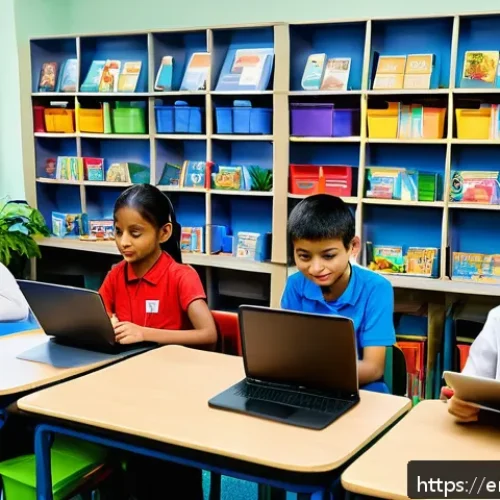
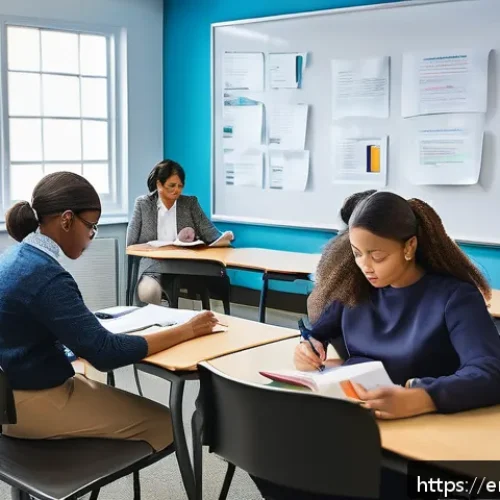
문해교육사와 교육 콘텐츠 개발 관련 이미지 1

We’re living in an era where the role of a literacy educator has expanded far beyond traditional classrooms, now encompassing vital skills like digital fluency, critical thinking, and even emotional intelligence – it’s genuinely inspiring to witness!

And when it comes to developing truly impactful educational content, the game has completely changed. Forget static textbooks; we’re talking about dynamic, interactive experiences, cutting-edge AI-powered personalized learning journeys, and resources that genuinely meet learners precisely where they are.

I’ve personally experimented with various tools and innovative approaches, and the sheer power of well-crafted, accessible content to foster lifelong learning is absolutely undeniable.

It’s truly a game-changer for so many people. Curious about the future of learning and the incredible individuals driving this exciting evolution? Let’s dive in and explore how you can be a part of this revolutionary movement!

The New Frontier of Literacy: Beyond Reading and Writing

Honestly, when I first started my journey in education, “literacy” mostly conjured images of textbooks and library shelves. Fast forward to today, and wow, has that definition expanded! We’re not just teaching folks to read words anymore; it’s about decoding the entire world around us, from complex news feeds to the nuanced language of social media. I’ve personally seen how vital it is for learners of all ages to develop a robust skill set that goes far beyond traditional academics. It’s about empowering them to thrive in a constantly evolving information landscape, where critical evaluation is just as important as comprehension. This shift isn’t just a trend; it’s a fundamental change in what it means to be truly literate in the 21st century. I find it incredibly exciting to be a part of this movement, helping people navigate the often-overwhelming flood of information we encounter daily. It truly feels like we’re preparing individuals not just for jobs, but for life itself.

Navigating the Digital Wild West

It’s no secret that the internet can feel like an untamed wilderness at times, right? With so much information, and let’s be honest, misinformation, flying around, teaching digital fluency has become absolutely non-negotiable. I’ve spent countless hours experimenting with different tools and strategies to help people discern credible sources from clickbait. It’s not just about knowing how to use a computer; it’s about understanding algorithms, privacy settings, and the subtle ways information can be manipulated. I often tell my community that becoming digitally fluent is like developing a superpower – it allows you to truly control your online experience rather than letting it control you. This includes everything from understanding the bias in search results to effectively communicating and collaborating in virtual spaces. It’s a skill that pays dividends in every aspect of modern life, and honestly, seeing the lightbulb go off for someone when they grasp these concepts is incredibly rewarding.

Cultivating Critical Thinkers

More than ever, we need people who can think for themselves, question assumptions, and form well-reasoned opinions. This isn’t about being cynical, but about approaching information with a healthy dose of skepticism and an analytical mind. I’ve found that one of the most effective ways to foster critical thinking is through engaging discussions and problem-solving scenarios that mirror real-world challenges. It’s about moving beyond rote memorization and encouraging learners to dissect arguments, identify logical fallacies, and develop their own perspectives. When I design educational content, I always try to embed questions and activities that provoke deeper thought, pushing past the surface level. It’s an ongoing process, but I truly believe that cultivating these skills is the bedrock of a well-informed and resilient society. The joy of seeing someone independently analyze a complex issue and articulate their reasoning is, for me, what this whole journey is about.

Crafting Content That Truly Connects

As a content creator, I’ve learned that simply dumping information on people doesn’t work anymore. If you want to make a real impact, your content has to resonate, engage, and genuinely meet your audience where they are. I’ve tried so many different approaches over the years – from long-form articles to short, snappy videos – and what I’ve consistently found is that authentic connection is key. It’s not just about being informative; it’s about being relatable, inspiring, and sometimes, even a little vulnerable. Think about it: when was the last time a dry, academic article truly moved you or spurred you to action? Exactly. My own experience has taught me that the magic happens when you blend solid information with storytelling, personal insights, and a touch of humanity. This is where the art of content creation truly shines, transforming passive consumption into active learning and engagement. It’s a constant learning curve, but one that’s incredibly fulfilling.

The Power of Interactive Learning Experiences

Gone are the days when learners passively absorbed information. Today, interaction is the name of the game, and I’ve been absolutely captivated by the possibilities. I’ve experimented with everything from interactive quizzes and polls to immersive simulations and gamified lessons, and the results are consistently astounding. When people actively participate, they don’t just retain information better; they develop a deeper understanding and a sense of ownership over their learning journey. For example, I recently created a module on digital literacy that included a “fake news detector” game, and the engagement levels were through the roof! It’s about making learning an adventure, not a chore. This isn’t just a fancy add-on; it’s a fundamental shift in how we approach education, recognizing that learners are not empty vessels but active constructors of knowledge. I genuinely believe that the more interactive and dynamic our content, the more profound and lasting its impact will be.

Tailoring Education with AI

Okay, let’s talk about AI in education. I know some folks get a little nervous, but honestly, I see it as an incredible ally, especially when it comes to personalization. I’ve been exploring how AI-powered tools can adapt content to individual learning styles and paces, and it’s truly revolutionary. Imagine a system that knows exactly when you’re struggling with a concept and offers additional resources or explanations tailored just for you. Or one that suggests the next best topic based on your previous learning patterns. I’ve used AI to help identify knowledge gaps in my community and then curate specific articles or videos to address those needs. It’s not about replacing human educators; it’s about augmenting our abilities, allowing us to provide a truly bespoke learning experience for every single person. The potential to democratize high-quality, personalized education is immense, and I’m genuinely excited to see where this technology takes us. It’s like having a super-smart teaching assistant for everyone!

Advertisement

Your Journey to Becoming an Impactful Educator

If you’re feeling that pull to make a real difference in the world of education, trust me, you’re in good company. This journey isn’t always linear, but it is incredibly rewarding. I’ve learned so much along the way, often through trial and error, and what I can tell you is that passion and persistence are your best friends. It’s about continuously learning, adapting, and most importantly, connecting with your audience on a human level. Don’t be afraid to experiment with different formats, platforms, and teaching styles. The beauty of this field right now is that there’s no single “right” way to do things. Your unique voice and perspective are your greatest assets, and they’re what will truly set you apart. I remember when I first started, I was so worried about not being “expert enough.” But I quickly realized that my genuine enthusiasm and willingness to share my learning journey were far more valuable than any perfect credential. Just start, and the path will reveal itself.

Building Your Digital Toolbelt

Let’s be real, in today’s digital age, having the right tools can make or break your content creation efforts. I’ve tried a dizzying array of platforms and software over the years, from video editing suites to advanced analytics dashboards. For anyone looking to make an impact, I highly recommend getting comfortable with tools for content creation (like Canva or Adobe Express for visuals, or Audacity for audio), learning management systems (LMS) if you’re building courses, and certainly, a robust website builder like WordPress or Squarespace to host your content. Don’t forget about social media management tools to help amplify your message! My personal journey involved a lot of YouTube tutorials and online courses to master these. It’s an investment of time, but the payoff in terms of efficiency and quality is immeasurable. Think of it as your modern-day backpack, packed with everything you need for your educational expeditions.

Fostering Empathy and Connection

While technology is fantastic, it’s crucial to remember that at the heart of all education are human beings. One of the most important lessons I’ve learned is the power of empathy in connecting with learners. Understanding their struggles, celebrating their successes, and creating a safe space for them to learn and grow is paramount. I always try to inject a sense of warmth and genuine care into my content, even if it’s a technical tutorial. This means using inclusive language, sharing personal anecdotes (where appropriate), and actively listening to feedback from my community. It’s about building a relationship, not just broadcasting information. I’ve found that when learners feel seen and valued, they are far more engaged and open to new ideas. This human touch is something no AI can truly replicate, and it’s what makes teaching such a profoundly rewarding experience.

Monetizing Your Passion: Smart Strategies for Content Creators

Let’s be honest, while passion drives us, keeping the lights on and our efforts sustainable is absolutely essential. I’ve spent years exploring different revenue streams for educational content, and I’m happy to share that there are truly diverse ways to turn your passion into a sustainable career. It’s not about getting rich quick, but about building a robust ecosystem around your content that provides consistent value to your audience and fair compensation for your hard work. Think beyond just one income stream; diversification is your best friend here. I’ve seen many creators, myself included, start small and gradually build up multiple income sources that not only support their endeavors but also allow them to invest more back into creating even better content. It’s a journey, but a very achievable one if you’re strategic and persistent.

Diversifying Your Revenue Streams

When I first started, I thought AdSense was the only way to earn money from a blog, and while it’s a decent starting point, it’s far from the only option. To truly thrive, I’ve learned the importance of diversifying. Here’s a quick overview of some proven methods I’ve either used myself or seen work incredibly well for others in the educational space:

Revenue Stream Description Benefits for Educators
AdSense/Display Ads Placing automated ads on your blog or video content. Passive income, easy to set up for beginners.
Affiliate Marketing Promoting products/services you trust and earning a commission on sales. Leverages existing content, highly relevant product recommendations.
Digital Products Selling e-books, templates, worksheets, or digital courses. High-profit margins, scalable, builds authority.
Memberships/Subscriptions Offering exclusive content or community access for a recurring fee. Predictable income, fosters a dedicated community.
Sponsored Content Partnering with brands to create integrated content. Higher payouts, brand association, requires careful vetting.

I’ve personally found a lot of success with a mix of digital products and affiliate marketing. It allows me to maintain editorial independence while still generating a healthy income. The key is to always prioritize value for your audience. If you’re recommending something, make sure it genuinely helps them.

Mastering SEO for Educational Content

You can create the most brilliant educational content in the world, but if no one can find it, what’s the point, right? That’s where SEO (Search Engine Optimization) comes in, and trust me, it’s not as intimidating as it sounds. I’ve spent countless hours diving into keywords, analyzing search intent, and structuring my content so that search engines understand its value. It’s about helping Google connect people looking for answers with your amazing solutions. This means understanding what questions your audience is asking, using those exact phrases in your headings and body text, and providing comprehensive, authoritative answers. I’ve seen firsthand how a well-optimized piece of content can dramatically increase organic traffic, leading to more eyes on your work and ultimately, more opportunities for impact and monetization. It’s a game-changer for visibility, and something every content creator needs to embrace.

Advertisement

The Evolving Landscape of Learning Platforms

If you’ve been in the educational space for any length of time, you’ve undoubtedly witnessed the incredible transformation of how and where people learn. It’s truly a dynamic ecosystem now, far removed from the days when a physical classroom was practically the only option. I remember thinking how innovative MOOCs (Massive Open Online Courses) were when they first emerged, and now, we’re seeing an even wider array of platforms and formats catering to every conceivable learning need and preference. This evolution is fantastic for educators because it means more avenues to share our knowledge and connect with learners globally. But it also means we need to be strategic about where we invest our time and energy, choosing platforms that align with our content, audience, and monetization goals. It’s like a grand buffet of learning opportunities, and figuring out what to pick can be part of the fun!

From MOOCs to Micro-credentials

MOOCs certainly paved the way for online learning accessibility, allowing millions to access university-level education for free or at a low cost. But what I’ve seen recently is an increasing demand for more bite-sized, specialized learning opportunities – enter micro-credentials. These are shorter, focused programs that validate specific skills, often highly sought after in the job market. I’ve personally explored creating micro-courses on platforms like Teachable and Thinkific, focusing on niche digital literacy skills. It’s a fantastic way to offer targeted value and cater to busy professionals who need to upskill quickly without committing to a full degree program. The beauty of these is their flexibility and direct applicability. Learners get exactly what they need, often earning a verifiable badge or certificate that can enhance their professional profile. It’s a win-win for both educators and learners in our fast-paced world.

Community-Driven Learning Environments

Beyond formal courses, one of the most powerful trends I’ve observed is the rise of community-driven learning. Think about it: people learn best when they’re supported by peers, can ask questions without judgment, and feel a sense of belonging. Platforms like Discord, dedicated online forums, and even private Facebook groups have become vibrant hubs for learning and collaboration. I’ve actively fostered a community around my own content, and the synergy that emerges from collective learning is truly incredible. Members share resources, offer encouragement, and even teach each other. As an educator, my role shifts slightly from being the sole knowledge dispenser to a facilitator and guide, nurturing a space where collective wisdom can flourish. It’s deeply fulfilling to see these communities thrive, proving that learning doesn’t have to be a solitary endeavor. It’s about building bridges, not just delivering lectures.

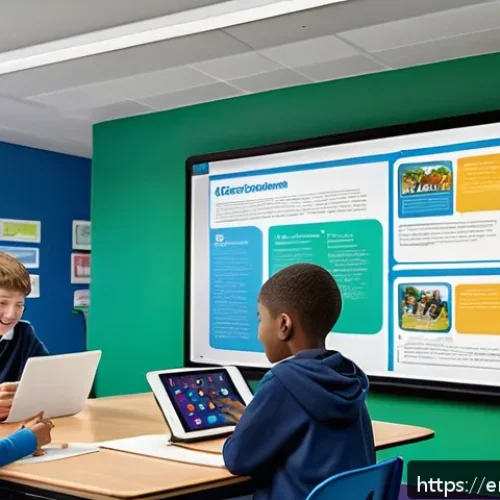
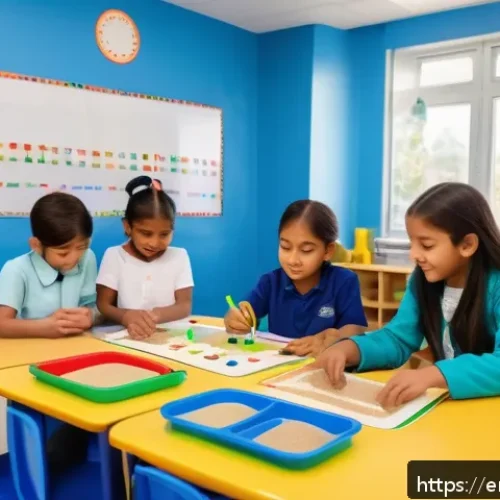
문해교육사와 교육 콘텐츠 개발 관련 이미지 2

The Human Touch in an AI-Driven World

Okay, let’s talk about the elephant in the room: AI. With tools like ChatGPT making waves, some educators worry about the future, perhaps even their own relevance. But here’s my take, and it’s something I feel very strongly about: the human touch, your unique perspective, your lived experience – these are more valuable than ever. AI can be an incredible assistant, a data analyst, or even a content generator, but it cannot replicate genuine empathy, intuition, or the nuanced understanding that comes from real-world experience. I’ve actively experimented with AI in my own content creation process, using it to brainstorm ideas or refine language, but the core message, the personal anecdotes, the emotional resonance – that always comes from me. This balance, this recognition of where our human strengths lie, is absolutely crucial as we navigate this exciting new era.

Why Authenticity Still Reigns Supreme

In a world saturated with information, and increasingly, AI-generated content, authenticity is the ultimate differentiator. Learners aren’t just looking for facts; they’re looking for someone they can trust, someone who speaks from genuine experience and passion. I’ve found that sharing my own struggles, my “aha!” moments, and even my failures has resonated far more deeply with my audience than any perfectly polished, impersonal piece of content ever could. It’s about building a connection that transcends the screen, making your audience feel like they’re learning from a real person, not just a disembodied voice. This means being honest about what you know and what you’re still learning, admitting mistakes, and letting your personality shine through. That vulnerability is a strength, not a weakness, and it’s what truly builds loyalty and engagement in your educational community. People connect with people, always remember that.

Balancing Technology with Personal Connection

So, how do we integrate cutting-edge technology without losing that essential human connection? It’s a tightrope walk, but one that’s entirely doable. My strategy is to use technology to enhance, not replace, personal interaction. For instance, I might use AI to quickly summarize research papers, freeing up my time to then craft a more engaging, personally resonant explanation for my audience. Or I might use automated tools to manage my community forums, allowing me more time to personally respond to individual questions and comments. It’s about leveraging the efficiency of tech so that we, as educators, can dedicate more energy to the aspects that truly require our unique human touch – mentorship, emotional support, and inspiring critical thought. The goal isn’t less human interaction; it’s more meaningful human interaction, amplified by smart tools.

Advertisement

Measuring Impact: Beyond the Grades

For so long, success in education was almost solely defined by grades, test scores, and formal qualifications. While those certainly have their place, I’ve come to realize that the true impact of educational content, especially in today’s dynamic learning environment, extends far beyond those traditional metrics. It’s about real-world application, personal growth, and the ability of learners to navigate complex challenges with confidence. As an educator and content creator, I’m constantly looking for more holistic ways to understand the difference I’m making. This means listening to feedback, observing how my community applies what they’ve learned, and celebrating incremental progress, not just endpoint achievements. It’s a more nuanced, and frankly, more human way of defining what it means to truly succeed in learning.

The True Meaning of Learner Success

What does true success look like? For me, it’s seeing someone go from feeling overwhelmed by a digital task to confidently tackling it themselves. It’s hearing stories of how my content helped someone land a new job, start a side hustle, or simply feel more empowered in their daily life. These are the anecdotes that truly warm my heart and confirm that my efforts are making a difference. It’s not just about passing a quiz; it’s about fostering resilience, curiosity, and a lifelong love of learning. I often encourage my community to share their “small wins” – those moments where something clicked, or they applied a new skill effectively. These are the real indicators of impact, the proof that our content is not just being consumed, but truly transforming lives. It’s a far richer definition of success than any numerical grade could ever capture.

Gathering Feedback and Iterating

The learning journey, for both educators and learners, is never truly finished. That’s why gathering feedback and continuously iterating on my content is absolutely paramount. I actively encourage comments, questions, and even constructive criticism, viewing it all as valuable data to improve. Whether it’s through surveys, direct messages, or simply observing engagement metrics, I’m always looking for ways to better serve my audience. Did a particular explanation fall flat? Was a resource unclear? Understanding these points allows me to refine my approach and make my content even more effective. It’s not about being perfect from the start; it’s about being responsive, adaptable, and committed to continuous improvement. This iterative process, driven by genuine learner feedback, is how we ensure our educational content remains relevant, impactful, and truly serves the evolving needs of our incredible learning community.

Closing Thoughts

And there we have it, folks! What an incredible journey we’ve taken through the ever-evolving landscape of education. It truly warms my heart to think about the vast potential we all have, as educators and learners alike, to shape this future. Remember, the core of what we do, whether it’s crafting compelling blog posts or designing interactive lessons, comes down to human connection and a genuine desire to empower others. Let’s keep learning, keep adapting, and most importantly, keep nurturing that spark of curiosity in ourselves and in those we serve. The future of literacy isn’t just bright; it’s a collaborative masterpiece waiting for us to create it together.

Advertisement

Handy Bits You’ll Love

Here are a few nuggets of wisdom I’ve picked up along the way that might just make your journey a little smoother:

1. Always prioritize clarity in your content. If your audience can’t easily understand your message, even the most profound insights will get lost. Simple, direct language often works best.

2. Don’t be afraid to experiment with new platforms and formats. What worked yesterday might not work tomorrow, so stay curious and see where your audience is spending their time.

3. Build a genuine community around your content. Engagement isn’t just about likes and shares; it’s about fostering real conversations and creating a space where everyone feels valued.

4. Think long-term with your monetization strategies. Diversifying your income streams offers stability and allows you to focus on creating high-quality content without constant financial stress.

5. Your unique voice is your superpower. In a world increasingly filled with AI-generated content, your personal stories, experiences, and perspective are what truly differentiate you and connect with your audience.

Key Takeaways

In our exploration of modern literacy and content creation, we’ve seen that education has moved beyond traditional reading and writing to encompass digital fluency, critical thinking, and impactful communication. Building authentic connections, embracing interactive learning experiences, and strategically utilizing AI are paramount for educators and content creators today. Remember to diversify your revenue streams through methods like digital products, affiliate marketing, and memberships to ensure sustainability. Crucially, always maintain a human touch, valuing authenticity and empathy, as these elements are irreplaceable in fostering true learner success and making a lasting impact in an AI-driven world. The journey is continuous, driven by feedback and a commitment to empowering a globally connected learning community.

Frequently Asked Questions (FAQ) 📖

Q: What exactly do you mean by the “expanded role” of a literacy educator today? It sounds like more than just reading and writing!

A: Oh, absolutely! It’s such a fantastic question because this shift is something I’ve seen firsthand, and it’s truly exhilarating. When I talk about the expanded role, I’m thinking far beyond the traditional ABCs and sentence structure – though those foundational skills are always going to be crucial, of course!
Today, a literacy educator isn’t just teaching what to read, but how to navigate the digital world, to discern reliable information from the noise online, and to truly understand and express themselves across a multitude of platforms.
I’ve personally found that it’s about fostering critical thinking – really getting learners to question, analyze, and synthesize information from various sources.
And here’s the kicker: emotional intelligence is now a massive piece of the puzzle. It’s about helping people understand empathy through stories, express their own feelings constructively, and even manage digital interactions with grace.
It’s become this beautiful blend of intellectual rigor and human connection, preparing individuals not just for tests, but for thriving in a complex, interconnected world.
It’s genuinely inspiring to watch the transformation!

Q: With all these changes, how can someone like me start creating truly engaging and effective educational content without being a tech wizard?

A: I hear you loud and clear! It’s easy to feel overwhelmed when you see all the incredible innovations out there, but trust me, you absolutely don’t need to be a coding genius or a video production guru to make a real impact.
My biggest piece of advice, from my own journey, is to start with empathy. Think about your learners: what are their pain points? What sparks their curiosity?
Once you have that, you can choose the right format. Sometimes, a well-crafted blog post with a clear, conversational tone and a few compelling images can be far more effective than a fancy interactive module if it genuinely connects with your audience.
I’ve found that incorporating simple interactive elements, like a quick poll or a thought-provoking question, can instantly boost engagement. Tools available now make it easier than ever to create visually appealing content without complex tech skills – think user-friendly presentation software, online graphic design tools, or even just a well-structured document.
The secret sauce, in my experience, is authenticity and clarity. Share your genuine passion, break down complex ideas into digestible chunks, and always, always focus on the learner’s journey.
When content truly resonates, it keeps people coming back for more, and that’s pure gold!

Q: You mentioned

A: I-powered learning. How is that actually making a difference for learners, and is it something accessible to everyone? A3: Oh, AI-powered learning is one of those advancements that still gives me chills in the best possible way – it’s truly revolutionary!
From what I’ve seen and experimented with, the biggest difference it makes is in personalization. Imagine a learning experience that truly understands your unique strengths, weaknesses, and preferred learning style, then adapts in real-time.
That’s what AI is bringing to the table. It can identify exactly where a learner is struggling and offer targeted support, or conversely, recognize mastery and accelerate their path to new challenges.
I’ve personally witnessed how it can provide instant feedback, recommend resources tailored to individual needs, and even create dynamic practice exercises that keep engagement levels sky-high.
Think of it as having an infinitely patient, incredibly insightful tutor available 24/7. And yes, to answer your second part, its accessibility is growing by leaps and bounds!
While some cutting-edge platforms are still developing, many educational apps and online courses are already integrating AI features that are readily available to anyone with an internet connection.
The goal, ultimately, is to democratize education, making high-quality, personalized learning experiences accessible to a much broader audience, regardless of their location or socioeconomic background.
It’s truly a game-changer for fostering lifelong learning!

Advertisement