Hey there, fellow knowledge seekers! Have you ever paused to think about what truly unlocks potential in the world of literacy, especially when every learner brings their own unique story to the table?
As someone who has immersed myself in literacy education, I’ve seen firsthand how a one-size-fits-all approach just doesn’t cut it. It’s not just about teaching the ABCs anymore; it’s about understanding individual needs, embracing diverse learning styles, and leveraging cutting-edge strategies to empower everyone.
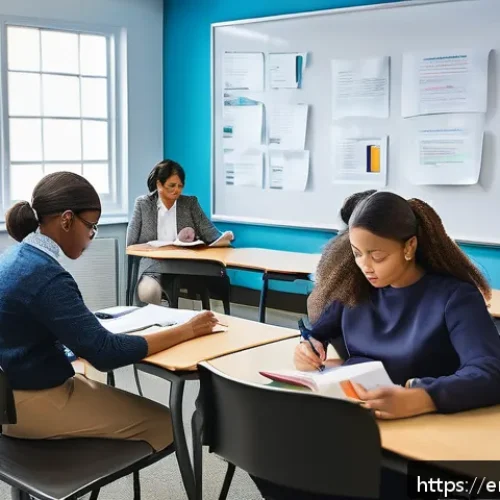
Whether it’s helping young adults master foundational reading, guiding ESL learners through complex texts, or supporting seniors in navigating digital platforms, the art of literacy instruction is constantly evolving.
In a world where digital literacy is becoming as crucial as traditional reading and writing, tailoring our teaching methods has never been more vital for fostering engagement and ensuring lasting success.
Recent trends highlight the critical role of personalized learning, incorporating technology, and understanding that the landscape of adult literacy is dynamic and demanding.
It’s truly a game-changer for individuals, communities, and even our global economy. Join me as we dive deep into the latest, most effective approaches to literacy education, designed to meet learners exactly where they are and propel them forward.
Let’s find out more below!Hey there, fellow knowledge seekers! Have you ever paused to think about what truly unlocks potential in the world of literacy, especially when every learner brings their own unique story to the table?
As someone who has immersed myself in literacy education, I’ve seen firsthand how a one-size-fits-all approach just doesn’t cut it. It’s not just about teaching the ABCs anymore; it’s about understanding individual needs, embracing diverse learning styles, and leveraging cutting-edge strategies to empower everyone.
Whether it’s helping young adults master foundational reading, guiding ESL learners through complex texts, or supporting seniors in navigating digital platforms, the art of literacy instruction is constantly evolving.
In a world where digital literacy is becoming as crucial as traditional reading and writing, tailoring our teaching methods has never been more vital for fostering engagement and ensuring lasting success.
Recent trends highlight the critical role of personalized learning, incorporating technology, and understanding that the landscape of adult literacy is dynamic and demanding.
It’s truly a game-changer for individuals, communities, and even our global economy. Join me as we dive deep into the latest, most effective approaches to literacy education, designed to meet learners exactly where they are and propel them forward.
Let’s find out more below!
Embracing Personalized Learning Paths: Tailoring Education for Every Individual

From my vantage point, having navigated the dynamic waters of literacy education for years, one truth consistently emerges: a one-size-fits-all approach is a relic of the past. It just doesn’t work for the vibrant tapestry of learners we encounter today. Every individual walks into our classrooms, whether physical or virtual, with a unique set of experiences, challenges, and aspirations. Trying to squeeze them all into the same mold not only stifles their potential but frankly, it’s demotivating for everyone involved. I’ve personally found that the real magic happens when we pivot towards deeply personalized learning. It’s about truly seeing the person behind the learner – their background, their existing knowledge, their personal goals, and even the emotional hurdles they might be facing. Imagine a young adult struggling with foundational reading not because of lack of intelligence, but perhaps due to an undiagnosed learning difference or a fragmented educational history. Or picture an immigrant adult, eager to master English not just for a job, but to connect with their children’s teachers and participate more fully in their new community. My experience tells me that when we take the time to truly understand these nuances and then build a learning path that resonates with their specific journey, the results are nothing short of transformative. It’s not just about academics; it’s about empowerment, dignity, and opening up a world of possibilities they might never have thought accessible. This approach isn’t a trend; it’s the future, grounded in empathy and effectiveness, ensuring that every learner, regardless of where they start, feels seen, supported, and capable of incredible growth. It’s incredibly rewarding to witness.
Understanding Diverse Learner Needs
When I first started in this field, I quickly realized that “learner needs” wasn’t a monolithic concept. It’s a rich, complex mosaic. Some learners thrive with visual aids, absorbing information best through diagrams, videos, or graphic organizers. Others are auditory learners, preferring podcasts, lectures, or group discussions. Then there are kinesthetic learners, who grasp concepts most effectively through hands-on activities, role-playing, or interactive simulations. Beyond learning styles, we also grapple with varying levels of prior education, linguistic backgrounds, socio-economic factors, and even cultural contexts that influence how individuals approach learning. For instance, I recall working with a group of adult ESL learners, some of whom had extensive formal education in their home countries, while others had very little. Their needs for grammar instruction, vocabulary acquisition, and cultural nuances in English conversation were wildly different. Recognizing these distinctions is the first, crucial step toward effective personalization. It means moving beyond standardized entry tests and incorporating more holistic assessments that capture a learner’s strengths, weaknesses, motivations, and even their preferred learning environment.
Crafting Individualized Curricula
Once we have a clearer picture of who our learners are, the exciting work of crafting individualized curricula begins. This isn’t about creating a separate textbook for every student – that would be impractical! Instead, it involves a flexible framework that allows for tailored content, varied instructional methods, and personalized pacing. For example, for a learner struggling with phonics, I might integrate specific phonetic drills and decodable texts, while another, more advanced learner might focus on critical analysis of complex non-fiction articles. Technology, of course, plays a huge role here, allowing us to curate resources and track progress in ways that were once unimaginable. I’ve personally experimented with various online platforms that offer adaptive learning modules, adjusting the difficulty and type of content based on a student’s real-time performance. What’s truly powerful about this is the shift in agency. Learners aren’t just passive recipients of knowledge; they become active participants in shaping their educational journey, often leading to a deeper sense of ownership and, crucially, a far greater likelihood of sustained engagement and success. It feels much more like a partnership, which is truly inspiring.
Leveraging Technology: Tools Transforming Literacy Instruction
It’s honestly mind-boggling to think about how much technology has reshaped the landscape of literacy education in just the past decade. When I started out, the cutting-edge tech might have been a word processor; now, we have a veritable arsenal of digital tools at our fingertips, completely revolutionizing how we teach and how people learn. And let me tell you, it’s not just about making things flashier or more engaging for engagement’s sake. These tools are genuinely powerful catalysts for deeper understanding and accessibility. They’ve cracked open doors for learners who might have previously felt isolated or overlooked by traditional methods. I’ve witnessed firsthand how interactive apps can make foundational reading skills feel less like a chore and more like an exciting game, especially for younger learners or those starting from scratch. For adult learners, the anonymity and self-pacing offered by certain platforms can reduce anxiety and create a safe space for practice and error. What I’m most excited about is how technology enables us to deliver highly customized content, something that was incredibly difficult to achieve in a diverse group setting before. It’s like having a personal tutor for every student, adjusting to their speed, their preferred learning style, and their specific areas of need. This isn’t just about making learning easier; it’s about making it more equitable and more effective than ever before, fostering a sense of accomplishment that truly resonates.
Interactive Platforms and Apps
Oh, where do I even begin with interactive platforms and apps? They’ve been an absolute game-changer in my practice. I’ve used everything from gamified reading apps that turn phonics into a thrilling adventure for kids to sophisticated language learning platforms that provide immediate feedback on pronunciation and grammar for adult ESL learners. What makes these tools so effective, in my experience, is their ability to provide instant feedback and adapt to the learner’s pace. There’s no waiting for a teacher to mark a paper; the system tells you right away if you’ve got it right or where you need to improve. This immediate gratification, or the gentle nudge toward correction, keeps motivation high. I’ve seen students who were initially reluctant to engage with traditional textbooks light up when presented with a tablet or computer-based activity. The vibrant visuals, engaging audio, and interactive elements make complex concepts digestible and enjoyable. Plus, many of these platforms offer progress tracking, allowing both learners and instructors to see exactly where strengths lie and where further practice is needed. It’s an invaluable insight that helps us fine-tune our support.
AI-Powered Adaptive Learning
Now, this is where things get truly exciting, and a bit futuristic, but it’s happening right now! AI-powered adaptive learning systems are not just about delivering content; they’re about understanding the learner at a profound level and dynamically adjusting the learning path in real-time. Think of it: an AI system can analyze a student’s responses, identify patterns in their errors, recognize their learning preferences, and then select the next most appropriate piece of content or exercise. I’ve experimented with systems that can pinpoint, for example, that a student consistently struggles with inferential comprehension when reading historical texts, and then automatically provides additional exercises specifically targeting that skill, perhaps even offering different types of scaffolds. It’s like having a dedicated, tireless tutor who knows exactly what you need, when you need it. This level of personalization dramatically improves efficiency and effectiveness. It allows learners to progress at their optimal pace, without getting bored by material that’s too easy or overwhelmed by content that’s too difficult. It’s truly a marvel to behold how these systems can cater to such a broad spectrum of individual needs.
Beyond the Basics: Cultivating Critical Digital Literacy Skills
In our increasingly interconnected world, simply being able to read and write isn’t enough; true literacy now demands a robust understanding of the digital realm. It’s a whole new language, really, and one that shifts and evolves at lightning speed. When I think about digital literacy, I’m not just talking about knowing how to use a computer or send an email, though those are certainly foundational. I’m talking about the critical thinking skills required to navigate the sheer avalanche of information we’re exposed to daily – distinguishing fact from fiction, understanding bias, and protecting one’s digital footprint. It’s a challenging but absolutely essential area for modern literacy instruction. I’ve had countless conversations with adult learners who are overwhelmed by online information, struggling to discern credible news sources from sensationalist clickbait. Or, on the flip side, I’ve worked with young adults who are incredibly tech-savvy but lack an understanding of the long-term implications of their online activity. This isn’t just about protecting themselves; it’s about empowering them to be responsible, discerning, and effective participants in digital society. Without these skills, the digital world, which holds so much promise, can quickly become a source of anxiety and misinformation. My goal, and what I push for in my practice, is to equip learners not just to consume digital content, but to critically analyze, create, and contribute to it thoughtfully.
Navigating Information Overload
The sheer volume of information available online is both a blessing and a curse. While access to knowledge has never been greater, the ability to sift through it, evaluate its reliability, and synthesize relevant pieces is a monumental challenge. I’ve often seen learners, young and old, get paralyzed by the sheer volume of search results or fall prey to misinformation because they haven’t developed the discernment to question sources. Teaching strategies for effective web searching, evaluating website credibility (looking for things like author expertise, publication date, domain authority, and bias), and cross-referencing information from multiple sources has become a core component of my literacy programs. It’s less about memorizing facts and more about developing a critical mindset – a healthy skepticism coupled with the tools to investigate. We practice identifying “red flags” in online content and discussing why certain sources might be more trustworthy than others. It’s a skill that transcends just academic work; it impacts everything from making informed healthcare decisions to understanding civic issues.
Fostering Digital Citizenship
Beyond consuming information, digital literacy also encompasses responsible and ethical participation in online communities – what we often call digital citizenship. This includes understanding netiquette, respecting intellectual property, and recognizing the impact of one’s online actions on others. I’ve found it incredibly important to discuss topics like cyberbullying, online harassment, and the permanence of digital footprints. It’s about cultivating empathy and responsibility in a space where anonymity can sometimes embolden negative behavior. We explore scenarios and case studies, prompting learners to think about the consequences of their posts, comments, and shares. For instance, we might discuss the implications of sharing personal information online or the importance of strong, unique passwords. It’s about empowering them to be positive contributors to the digital world, creating safe and respectful online environments not just for themselves, but for everyone. It truly makes a difference.
Community-Driven Literacy: Building Support Networks That Work
You know, for all the amazing advancements in technology and personalized learning, one thing remains undeniably true in literacy education: people need people. The human connection, the shared journey, the sense of belonging – these are absolutely paramount for sustained success, especially when learners face significant challenges. I’ve seen firsthand how a strong, supportive community can be the difference between someone giving up and someone pushing through seemingly insurmountable obstacles. It’s not just about a teacher imparting knowledge; it’s about creating an ecosystem of support where learners feel understood, encouraged, and held accountable in a positive way. Imagine an adult learner who’s been out of school for decades, feeling overwhelmed by the prospect of learning to read again. Simply having a peer who’s gone through a similar experience, offering encouragement and practical advice, can be incredibly motivating. Or consider families where parents are learning alongside their children, creating a ripple effect of literacy within the home. My experience has shown me that community-driven initiatives don’t just teach reading and writing; they build confidence, strengthen social bonds, and empower entire neighborhoods. They transform individual journeys into collective triumphs, which is a beautiful thing to witness.
The Power of Peer Mentorship
One of the most effective strategies I’ve integrated into my programs is peer mentorship. There’s something uniquely powerful about learning from someone who truly “gets it” because they’ve been there themselves. I’ve matched more advanced literacy learners with those just starting out, and the results have been consistently impressive. Mentors gain confidence and reinforce their own skills by teaching, while mentees receive relatable guidance and encouragement from someone who understands their struggles on a personal level. It’s a beautiful symbiotic relationship. For example, I remember a young man who was very shy about his reading difficulties. We paired him with an older student who had successfully completed our program. The mentor not only helped him with phonics and vocabulary but also shared tips on managing frustration and staying motivated. This kind of connection builds trust and a sense of belonging that formal instruction sometimes can’t quite replicate.
Family Literacy Programs

Literacy isn’t just an individual skill; it’s a family affair. I’m a huge advocate for family literacy programs because they address the issue holistically. When parents improve their literacy skills, they become better equipped to support their children’s education, creating a virtuous cycle. Conversely, when children see their parents engaged in learning, it instills a positive attitude towards education from a young age. I’ve run programs where parents and children attend workshops together, engaging in shared reading activities, storytelling, and even digital literacy games. We’ve focused on practical skills too, like helping parents read school notices, understand health information, or navigate online resources for their families. The impact extends beyond academics; it strengthens family bonds, improves communication, and empowers parents to be more active participants in their children’s educational journey and their community. It’s truly heartwarming to see families grow together through literacy.
The Power of Lifelong Learning: Adult Literacy in the Modern Age
When we talk about literacy, our minds often jump to children learning their ABCs, right? But what I’ve discovered in my career is the profound, often overlooked, importance of adult literacy – and how it’s more crucial than ever in our rapidly evolving world. The idea that learning stops after formal schooling is, frankly, outdated and, in today’s context, quite damaging. Adults, whether they’re struggling with foundational reading, trying to master a new language, or grappling with the complexities of digital communication, are a vital demographic for literacy support. They are parents, employees, community members, and their ability to engage effectively with text and information directly impacts their quality of life, economic stability, and civic participation. I’ve worked with adults from all walks of life, from those who never had the chance to complete elementary school to highly educated immigrants needing to learn English to qualify for their professional licenses. Each story underscores the transformative power of literacy at any age. It’s never too late to learn, and the benefits ripple out, not just to the individual, but to their families, workplaces, and wider communities. Supporting adult literacy isn’t just an act of compassion; it’s an investment in a more skilled, engaged, and equitable society, and it’s an area I feel incredibly passionate about because of the real-world impact I witness every day.
Addressing Workplace Literacy Gaps
In today’s job market, literacy demands are constantly escalating. It’s no longer just about reading a basic instruction manual; it’s about comprehending complex reports, navigating digital interfaces, writing professional emails, and understanding health and safety protocols. I’ve partnered with local businesses to develop customized literacy training for their employees, and the results have been phenomenal. Workers feel more confident, productivity improves, and workplace accidents decrease. For example, in one program, we helped factory workers improve their ability to read technical specifications and safety warnings, which not only enhanced their job performance but also significantly boosted their morale and job satisfaction. Addressing these workplace literacy gaps isn’t just a benefit for the individual; it’s a strategic advantage for businesses, fostering a more skilled, adaptable, and engaged workforce. It’s a win-win scenario, and one I think more employers should consider.
Supporting ESL Learners Effectively
For English as a Second Language (ESL) learners, literacy is often the key that unlocks their new lives. They’re not just learning a language; they’re learning to navigate a new culture, a new society, and often, a new way of thinking. My approach with ESL learners is always multifaceted, integrating language acquisition with cultural understanding and practical life skills. We don’t just drill grammar; we practice ordering food, understanding job applications, discussing local news, and participating in community events. I’ve found that using authentic materials – real-world documents like utility bills, doctor’s notes, or job descriptions – is incredibly effective. It makes the learning immediately relevant and empowers them to function independently. The progress I’ve seen in individuals, from halting sentences to confident conversations, is truly one of the most rewarding aspects of my work. It’s about building bridges, one word at a time.
Measuring Success: Effective Assessment in Evolving Literacy Programs
Alright, so we’re putting all this incredible effort into personalized learning, leveraging technology, and building strong communities – but how do we actually know if it’s working? That’s where effective assessment comes in, and believe me, it’s far more nuanced than just giving a multiple-choice test at the end of a course. In today’s dynamic literacy landscape, our assessment methods need to be as adaptable and insightful as our teaching strategies. It’s not about simply quantifying what someone knows; it’s about understanding their growth trajectory, identifying persistent challenges, and celebrating every step of their journey. I’ve grappled with this extensively, constantly seeking ways to capture the full picture of a learner’s progress, especially for those who might not perform well under traditional testing pressures. We need assessment tools that are culturally sensitive, accessible, and truly reflect the multifaceted nature of literacy – from foundational reading and writing to critical thinking and digital fluency. My experience has taught me that a robust assessment framework isn’t just for grading; it’s a powerful feedback loop that informs our instruction, motivates our learners, and allows us to continuously refine our programs to be as impactful as possible. It’s about making sure our efforts are truly landing where they need to.
Formative vs. Summative Assessments
The distinction between formative and summative assessments has become incredibly clear in my practice. Summative assessments, like end-of-course exams, give us a snapshot of what a learner has achieved at a particular point. They’re important for overall program evaluation and certification. However, it’s the formative assessments – the ongoing, low-stakes checks for understanding – that truly drive learning forward. These are things like quick quizzes, exit tickets, observations during group work, or asking learners to explain a concept in their own words. I use formative assessments almost constantly to gauge comprehension, identify misconceptions immediately, and adjust my teaching on the fly. For instance, if I notice several students struggling with a particular grammatical concept during a group activity, I can pause and offer a mini-lesson or provide additional practice right then and there. This real-time feedback loop is invaluable for keeping learners on track and preventing small misunderstandings from becoming major stumbling blocks.
Portfolio-Based Evaluation
For a more holistic and authentic measure of literacy development, I’ve found portfolio-based evaluation to be incredibly powerful. Instead of just a single test score, a portfolio collects a range of a learner’s work over time – essays, creative writing pieces, digital projects, reading logs, even audio recordings of them reading aloud. This approach allows us to see growth, effort, and application of skills in real-world contexts. It also provides a much richer narrative of a learner’s journey, highlighting individual strengths and areas of significant improvement that might not be evident in a standardized test. I’ve had learners present their portfolios to me, explaining their choices and reflecting on their progress, which not only deepens their understanding but also boosts their confidence and sense of accomplishment. It’s a wonderfully human way to assess a skill that is, at its heart, deeply human.
| Aspect | Traditional Literacy Approach | Modern Literacy Approach |
|---|---|---|
| Primary Focus | Decoding words, basic comprehension | Critical thinking, digital fluency, diverse comprehension strategies |
| Instructional Tools | Textbooks, workbooks, physical dictionaries | Interactive apps, AI tutors, e-readers, multimedia resources |
| Learning Environment | Teacher-centered classroom, often uniform pace | Learner-centered, flexible, personalized pace, blended learning |
| Assessment Methods | Standardized tests, pen-and-paper assignments | Formative assessments, portfolios, digital performance metrics |
| Key Skill Emphasized | Reading/writing mechanics, memorization | Information evaluation, digital citizenship, collaborative creation |
Wrapping Things Up
Phew, what a journey we’ve taken through the evolving world of literacy! From diving deep into personalized learning paths to leveraging the sheer power of technology, embracing digital citizenship, and understanding the incredible impact of community and lifelong learning, it’s clear that literacy education today is far from static. My hope is that by sharing these insights, you’ve not only gained a clearer picture of the current landscape but also felt that spark of inspiration, just as I do every day. It’s about empowering every individual to truly thrive in a world that demands continuous adaptation and learning, and honestly, there’s nothing more rewarding than being a part of that transformation.
Useful Information to Know
1. Understanding Diverse Learning Styles for Better Engagement: When I first started working with learners, I quickly realized that the traditional “chalk and talk” method simply didn’t resonate with everyone. It’s truly fascinating to see how different people absorb information, and recognizing these styles is a game-changer. For instance, visual learners thrive on diagrams, charts, and anything they can *see* to connect ideas, while auditory learners really benefit from discussions, lectures, and listening to explanations. Then there are those who truly learn by *doing*, the kinesthetic learners, who excel with hands-on activities, role-playing, or interactive simulations. The key, in my experience, is observing how someone naturally gravitates toward certain tasks, or even just asking them directly about their preferences. Knowing this lets us tailor our approach, making learning not just easier, but genuinely more enjoyable and effective for everyone involved. It’s about meeting them where they are and building from there.
2. Harnessing AI for Personalized Literacy Support: I’ve been experimenting quite a bit with AI in literacy instruction, and honestly, it feels like we’re just scratching the surface of its potential. Imagine tools that can instantly generate custom reading passages tailored to a student’s exact reading level and interests – from a story about their favorite video game at a 3rd-grade level to a scientific article simplified for an adult learner. These AI-powered platforms can provide real-time feedback on reading speed, accuracy, and even tone, giving learners immediate insights they might not get otherwise. They can identify specific knowledge gaps and offer targeted exercises, creating a truly adaptive learning path. It’s like having an infinitely patient and knowledgeable teaching assistant who understands each learner’s unique needs and constantly adjusts to keep them challenged and engaged. Of course, human guidance remains paramount, but AI can definitely amplify our impact, making personalized learning more accessible and scalable than ever before.
3. Building Strong Family and Community Literacy Programs: I can’t stress enough how vital community and family involvement are in fostering a love for literacy. It’s not just about what happens in a classroom; it’s about creating an entire ecosystem where reading and learning are valued and integrated into daily life. Think about setting up a family book club where everyone reads and discusses a book, or creating a “storytelling circle” where family members take turns crafting narratives. These aren’t just fun activities; they build vocabulary, critical thinking skills, and, most importantly, strengthen bonds. For adults, partnering with local libraries or community centers for workshops can provide essential resources and a supportive environment. My experience tells me that when families and communities work together, whether it’s through shared reading rituals, educational games, or even just parents modeling reading, it creates a powerful ripple effect that nurtures lifelong learners.
4. Essential Digital Literacy Skills for Today’s World: Let’s be real, in our hyper-connected world, simply knowing how to read a physical book is no longer enough. Digital literacy is an absolute must, and it’s something I actively incorporate into my work. It’s about so much more than just using a computer; it’s the ability to access, manage, understand, and critically evaluate the vast ocean of information online. This includes knowing how to effectively search for information, discern credible sources from misinformation, understand online etiquette, and protect your privacy and data. For adults, these skills are crucial for everything from navigating online banking and applying for jobs to engaging in civic discussions and understanding health information. I find that hands-on practice, guided instruction, and open discussions about online scenarios are key to building this confidence and discernment, ensuring everyone can safely and effectively participate in the digital age.
5. Effective Resources for Adult English as a Second Language (ESL) Learners: Supporting ESL learners is incredibly rewarding, and there are so many fantastic, often free, resources available today to help them thrive. For those looking to improve their English skills from home, websites like USA Learns, funded by the U.S. Department of Education, offer contextualized practice activities in listening, reading, writing, and speaking, along with life skills relevant for success in American society. EnglishClub is another excellent free platform with activities, quizzes, and forums for learners of all levels. I’ve also found video-based lesson plans, like those from ESL Brains, to be incredibly engaging, as they use real-life videos and thought-provoking topics that resonate with adult learners. The British Council also provides high-quality online resources and free level tests. What truly makes a difference, in my opinion, is pairing these structured resources with opportunities for real-world application and conversation, building both linguistic competence and cultural confidence.
Key Takeaways
In reflecting on the dynamic world of literacy, it’s clear that the landscape is continually shifting, demanding a multifaceted approach. We’ve seen that truly impactful literacy education embraces personalization, adapting to each individual’s unique journey and learning style. The integration of advanced technology, especially AI, isn’t just a trend; it’s a powerful tool that allows for unprecedented customization and real-time support. Beyond individual skills, cultivating robust digital literacy and fostering strong community-driven initiatives are paramount for navigating our interconnected world. Ultimately, recognizing literacy as a lifelong pursuit for all ages, supported by innovative and authentic assessment methods, ensures that every learner is not just equipped for today, but empowered for an ever-evolving future.
Frequently Asked Questions (FAQ) 📖
Q: How can we truly personalize literacy education to meet diverse learner needs, and why is this approach becoming so crucial today?
A: Oh, this is such a vital question, and it’s something I’ve poured my heart into over the years! You know, for the longest time, education often felt like a conveyor belt, pushing every student through the same motions, regardless of their starting point or how their brain truly works.
But let’s be real, a one-size-fits-all approach just doesn’t cut it, especially with something as foundational as literacy. What I’ve seen firsthand is that true personalization is about meeting each learner exactly where they are, understanding their unique story, their challenges, and their strengths.
It’s about leveraging data, yes, but not in a cold, analytical way. It’s about using those insights from reading assessments and progress tracking to tailor the how and what of learning.
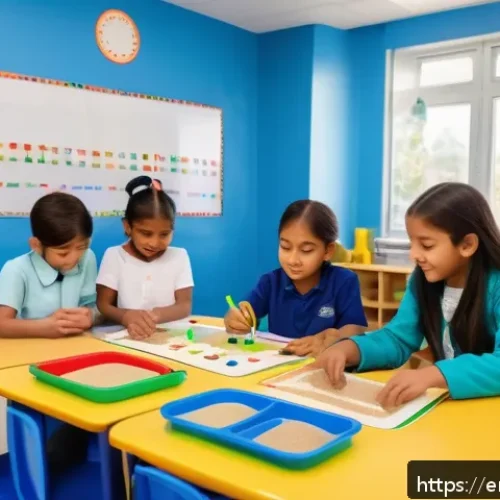
Imagine giving one student a visually engaging interactive story to build vocabulary, while another benefits most from a multisensory approach, tracing letters in sand.
That’s the beauty of it! It’s becoming crucial now more than ever because our world demands a different kind of literate individual. We’re not just talking about reading books; it’s digital literacy, media literacy, critical thinking in an information-saturated world.
When lessons truly fit a student’s needs and interests, their engagement skyrockets, and honestly, their confidence blossoms. I’ve witnessed students who once felt “behind” suddenly light up, realizing they can learn, they can succeed.
This shift allows educators to become facilitators, sparking curiosity and building confidence rather than just delivering information. It’s a game-changer for academic success, certainly, but also for life beyond the classroom, fostering lifelong learners who are empowered to navigate our complex world.
Q: What’s the real impact of technology on literacy development, and how can we use it effectively without losing the human touch?
A: This is a hot topic, isn’t it? As someone who’s constantly exploring new tools for my own learning and teaching, I totally get the excitement—and sometimes the apprehension—around technology in literacy.
Here’s the thing: when used thoughtfully, technology isn’t just a fancy gadget; it’s a powerful ally in literacy development. I’ve personally seen how interactive e-books can bring stories to life with animations and clickable glossaries, making reading far more engaging for a reluctant learner.
Gamified learning platforms? They’re brilliant for motivation! They adapt challenges to individual skill levels, turning reading practice into something genuinely fun, rewarding progress with badges or points.
And let’s not forget accessibility. Tools like text-to-speech can be incredibly liberating for students with dyslexia or visual impairments, allowing them to hear text read aloud, which boosts word recognition.
Conversely, speech-to-text helps build writing skills by transcribing spoken words. But here’s my golden rule: technology should always complement, not replace, the irreplaceable human connection.
It’s not about handing a child a tablet and walking away. It’s about educators skillfully integrating these digital tools, modeling how to use them effectively, and then discussing, questioning, and building on those experiences.
We need to teach students how to evaluate digital sources and understand media bias, too. In my experience, the magic happens when tech frees us up to focus on deeper interactions, personalized feedback, and nurturing that love for learning, rather than just drilling facts.
It’s about being present, guiding, and celebrating every small victory alongside them.
Q: Adult literacy feels like a unique challenge. What are the most effective strategies for helping adults, especially those who’ve struggled, find success and confidence?
A: You’ve hit on such an important area! Adult literacy truly is a different beast than teaching children, and it demands a respectful, nuanced approach.
From what I’ve gathered in my own work and studies, adults come to learning with a lifetime of experiences, often with specific goals like career advancement or helping their children with homework.
They’re not “empty vessels” to be filled; they’re independent, self-directed learners who need to see the immediate relevance of what they’re learning.
So, what really works? Firstly, making it relevant and practical is non-negotiable. Lessons should connect directly to their lives, their jobs, and their interests.
I’ve seen how contextualized instruction, perhaps focused on skills needed for a specific industry, can incredibly motivate adult learners. Secondly, evidence-based teaching strategies are paramount.
Things like multisensory approaches, which engage visual, auditory, and kinesthetic senses, have shown significant effectiveness, especially for adults with learning disabilities.
Think about using structured, systematic phonics instruction combined with hands-on activities. Thirdly, creating a supportive, participatory learning environment is key.
Adults thrive when they have control and responsibility over their education. Get their input on methods, content, and resources! Encourage questions, discussions, and let them bring their rich life experiences into the classroom.
It’s about building a community where they feel safe to take risks, make mistakes, and celebrate their progress, no matter how small. Seeing an adult finally crack a challenging text, or confidently write a letter they couldn’t before—that’s a feeling that genuinely makes all the effort worthwhile.
It’s not just about teaching them to read; it’s about giving them the tools to transform their lives.