Ignite Potential Innovative Mentoring for Literacy Student Success

webmaster

문해교육사와 학생 멘토링 기법 - Here are three detailed image generation prompts in English, designed to adhere to your guidelines f...

Alright, this is a fun challenge! I need to channel my inner human, empathetic, and knowledgeable English blog influencer. I’ll make sure to weave in the trends, personal touches, and the required structure without explicitly mentioning instructions.

Here’s the plan:
1. Start with a relatable hook: Acknowledge the rising importance of lifelong learning and the quiet struggles many adults face with literacy.

2. Introduce the topic naturally: Transition into how adult literacy education is evolving and the crucial role of mentoring. 3.

Incorporate trends: Mention personalized learning, technology (AI, digital tools), and the emphasis on empathy and holistic support. 4. Inject personal experience/feeling: Use phrases like “I’ve seen firsthand,” “I truly believe,” “it feels like.”
5.

Address challenges implicitly: Hint at the complexities adults face (time, stigma, diverse needs) without dwelling on them, positioning mentoring as a solution.

6. Emphasize EEAT: Convey expertise and trustworthiness through informed language and a confident, supportive tone. 7.

Optimize for monetization/engagement: Write in a conversational, engaging style that encourages further reading, building curiosity for the main content.

8. Ensure rich text, no markdown, no citations.
9. End with an inviting call to action.Let’s craft this introduction.

*Okay, here’s my attempt at crafting a human-like, engaging, and informative introduction for an English blog post, keeping all the user’s specific instructions in mind.

*Have you ever stopped to think about the incredible journey of learning? It’s not just for kids in school, right? In our fast-paced world, where everything from job skills to daily tasks demands constant adaptation, lifelong learning isn’t just a buzzword – it’s a lifeline.

But for millions of adults, navigating this journey, especially when foundational literacy skills feel shaky, can be incredibly daunting, often carrying a hidden weight of embarrassment or past negative experiences.

I’ve personally encountered so many individuals who, despite their amazing life experiences, found themselves held back by these very real challenges.

It truly feels like a silent struggle that impacts everything from their career prospects to helping their own children with homework. That’s why I’m so passionate about what’s happening right now in adult literacy education and, specifically, the transformative power of mentoring.

We’re moving beyond the old “one-size-fits-all” approach, embracing incredible new trends like personalized learning, where AI and digital tools are literally tailoring education to individual needs, making it more accessible and effective than ever before.

I’ve seen firsthand how a little bit of personalized guidance can unlock immense potential. It’s not just about teaching someone to read or write; it’s about empowering them to thrive.

And at the heart of this evolution? A human connection. That’s where empathetic and effective mentoring techniques come into play.

It’s about building trust, understanding unique motivations, and creating a supportive space where adult learners feel truly seen and heard. This isn’t just some theoretical concept; it’s a vital, ongoing conversation, especially as global literacy rates face new challenges and the digital divide becomes even more apparent.

It’s about more than just academics; it’s about dignity, opportunity, and building stronger communities. It really gets me thinking about how we can all contribute to fostering an environment where every adult has the chance to rewrite their story.

Let’s dive deeper into how we can genuinely empower adult learners through innovative mentoring techniques and create a future where no one is left behind.Have you ever stopped to think about the incredible journey of learning?

It’s not just for kids in school, right? In our fast-paced world, where everything from job skills to daily tasks demands constant adaptation, lifelong learning isn’t just a buzzword – it’s a lifeline.

But for millions of adults, navigating this journey, especially when foundational literacy skills feel shaky, can be incredibly daunting, often carrying a hidden weight of embarrassment or past negative experiences.

I’ve personally encountered so many individuals who, despite their amazing life experiences, found themselves held back by these very real challenges.

It truly feels like a silent struggle that impacts everything from their career prospects to helping their own children with homework. That’s why I’m so passionate about what’s happening right now in adult literacy education and, specifically, the transformative power of mentoring.

We’re moving beyond the old “one-size-fits-all” approach, embracing incredible new trends like personalized learning, where AI and digital tools are literally tailoring education to individual needs, making it more accessible and effective than ever before.

I’ve seen firsthand how a little bit of personalized guidance can unlock immense potential. It’s not just about teaching someone to read or write; it’s about empowering them to thrive.

And at the heart of this evolution? A human connection. That’s where empathetic and effective mentoring techniques come into play.

It’s about building trust, understanding unique motivations, and creating a supportive space where adult learners feel truly seen and heard. This isn’t just some theoretical concept; it’s a vital, ongoing conversation, especially as global literacy rates face new challenges and the digital divide becomes even more apparent.

It’s about more than just academics; it’s about dignity, opportunity, and building stronger communities. It really gets me thinking about how we can all contribute to fostering an environment where every adult has the chance to rewrite their story.

Let’s dive deeper into how we can genuinely empower adult learners through innovative mentoring techniques and create a future where no one is left behind.

Connecting Beyond the Textbook: Building Real Rapport

문해교육사와 학생 멘토링 기법 - Here are three detailed image generation prompts in English, designed to adhere to your guidelines f...

It’s so easy to get caught up in lesson plans and curriculum guides, but I’ve always found that the real magic in adult literacy mentoring happens even before the first word is read or written.

It’s all about connection. Think about it: many adult learners carry a lifetime of experiences, some of which might include frustrating school memories or even a sense of shame about their literacy levels.

Walking into a new learning situation can feel incredibly vulnerable. That’s why my first priority, and what I truly believe makes all the difference, is establishing a genuine, human connection.

It’s about creating a space where they feel not just safe, but truly seen and valued. I try to listen more than I speak initially, asking about their life, their goals, and what brought them to this point.

It’s like building a bridge of trust, one conversation at a time, before we even think about crossing into the academic side. When someone feels respected and understood, their motivation soars, and those emotional walls that might have been up for years start to come down.

This isn’t just good practice; it’s essential for sustainable learning.

Listening to Their Story and Setting the Stage

Every adult learner walks in with a unique narrative, and honestly, those stories are incredibly powerful. I’ve discovered that truly understanding their motivations – whether it’s to read to their grandchildren, get a better job, or simply navigate daily life with more confidence – is the bedrock of effective mentoring.

It’s not just about what they *can’t* do; it’s about what they *want* to achieve. From my experience, taking the time to uncover these personal goals helps us tailor everything that follows.

It allows us to set the stage for a partnership, rather than a traditional teacher-student dynamic, which often brings back negative associations for adults.

We talk about expectations, not just for the learning itself, but for the journey we’ll embark on together. It helps demystify the process and makes it feel less like a chore and more like a collaborative adventure.

Cultivating an Environment of Mutual Respect

When you’re working with adults, respect isn’t just a nicety; it’s non-negotiable. I always approach our sessions with the understanding that they are bringing a wealth of life experience to the table, regardless of their literacy level.

This means valuing their input, acknowledging their efforts, and never, ever making them feel infantilized or judged. It’s a delicate balance, providing guidance while empowering them to take ownership of their learning.

I’ve seen firsthand how a little bit of genuine respect can open up incredible channels for communication and progress. When learners feel respected, they’re more likely to ask questions, admit when they’re struggling, and truly engage with the material.

It’s truly a two-way street, where both mentor and learner grow from the interaction.

Tailoring the Learning Journey: Custom Approaches

One of the biggest shifts I’ve seen, and one I absolutely embrace, is moving away from the old “one-size-fits-all” model in adult literacy. Every person learns differently, and for adults, their life experiences, cognitive styles, and even daily schedules play a huge role in how they absorb information.

Trying to fit everyone into the same curriculum is honestly a recipe for frustration and eventual disengagement. What I’ve found to be incredibly effective is a highly personalized approach, almost like creating a bespoke suit for each learner.

This means really diving deep into their individual strengths and weaknesses, their preferred learning methods, and then building a path that genuinely works for *them*.

It’s not always the easiest route, but the results are far more rewarding and long-lasting because it honors their individuality. It feels more human, more responsive, and ultimately, far more empowering.

Assessing Needs Beyond Standardized Tests

When someone first comes to me, I rarely jump straight into a standardized assessment. While those have their place, I’ve learned that a more holistic approach gives a much clearer picture.

We might start with a conversational assessment, maybe reading a short passage they’re interested in, or having them write a simple note. It’s about understanding their comfort level, their specific challenges (is it decoding, comprehension, writing mechanics?), and what real-world tasks they struggle with.

From there, we can pinpoint areas that truly need attention. For instance, someone might excel at storytelling verbally but freeze up when asked to write it down.

This kind of nuanced understanding allows us to create targeted interventions that actually make a difference, rather than just going through a generic workbook page by page.

It’s about building upon what they *can* do, rather than just focusing on deficits.

Crafting Personalized Goals and Strategies

Once we have a good grasp of their starting point, the next crucial step is setting goals that are meaningful and achievable for *them*. These aren’t my goals for them; these are *their* goals.

Maybe it’s reading a bedtime story to their child, understanding a job application, or even just confidently writing a grocery list. We break these larger aspirations down into smaller, manageable steps.

This creates a clear roadmap and provides a powerful sense of accomplishment as each mini-goal is met. For one learner, this might mean focusing intensely on phonics for a few weeks, while for another, it could be practicing reading public transport schedules.

I often introduce different learning strategies, like visual aids, auditory exercises, or kinesthetic activities, to see what resonates most with them.

It’s a continuous conversation, adjusting and refining as we go, ensuring the journey always feels relevant and engaging.

Advertisement

Unlocking Potential with Digital Tools and AI

It’s genuinely thrilling to witness how technology is transforming adult literacy education. For years, it felt like we were relying on the same old methods, but now, with the explosion of digital tools and even AI, we have an incredible arsenal at our fingertips.

I remember when I first started exploring these options, I was a bit skeptical, thinking they might lack the human touch. But what I’ve discovered is that when integrated thoughtfully, these tools don’t replace the mentor; they *amplify* our effectiveness.

They provide new avenues for practice, personalized feedback that never judges, and access to a world of information that was once out of reach for many.

It’s like having an extra set of hands and an infinite library, all tailored to the individual learner. The sheer potential for accelerating progress and boosting confidence is just immense.

Leveraging Interactive Apps and Online Platforms

There’s an app for almost everything these days, and literacy is no exception! I’ve had fantastic results introducing learners to interactive apps that make learning feel less like a chore and more like a game.

Think about it – instant feedback, engaging visuals, and the ability to practice discreetly at home without feeling embarrassed. Many platforms offer adaptive learning paths, meaning the difficulty adjusts based on the learner’s performance.

This keeps them challenged but not overwhelmed. I often help learners set up accounts on free or low-cost platforms, walking them through the initial steps.

It’s amazing to see their eyes light up when they realize they can learn on their phone, anytime, anywhere. From vocabulary builders to reading comprehension exercises, these tools are invaluable for reinforcing what we cover in our one-on-one sessions and providing consistent practice.

AI as a Personalized Learning Assistant

Now, let’s talk about AI, because this is truly a game-changer. I’m not talking about robots taking over our jobs as mentors, but rather AI acting as a super-smart, patient assistant.

Imagine an AI tutor that can provide immediate, non-judgmental feedback on written work, correct grammar without making the learner feel stupid, or even generate reading materials perfectly matched to their current level and interests.

I’ve been experimenting with certain AI-powered writing tools that can help with sentence structure or offer alternative phrasing, allowing learners to self-correct and improve their writing fluency much faster.

For reading, AI can analyze their comprehension and suggest articles or stories that are just challenging enough to promote growth. It empowers learners to explore and practice independently, bridging the gap between guided sessions and real-world application.

Beyond the Words: Nurturing Confidence and Growth

It’s not just about decoding words or constructing sentences, is it? For adult learners, particularly those who’ve struggled with literacy for a long time, there’s often an emotional component that’s just as significant as the academic one.

I’ve seen firsthand how a lack of literacy can chip away at a person’s self-esteem, making them hesitant to participate in social situations, apply for promotions, or even engage with their children’s schooling.

My role as a mentor, then, extends far beyond teaching phonics or grammar. It’s about rebuilding that lost confidence, helping them rediscover their own intelligence and capabilities.

It’s about reminding them that their value isn’t tied to their reading level, and showing them that with consistent effort, they absolutely *can* achieve their goals.

This holistic approach, where we focus on both skills and self-worth, is truly where the deepest transformations occur.

Addressing Emotional Barriers and Fear of Failure

The fear of making mistakes, of looking foolish, or of reliving past negative educational experiences can be a huge hurdle. I often start by normalizing these feelings, sharing that everyone struggles with learning new things, and that errors are actually vital steps in the learning process.

It’s okay to not know; it’s *not* okay to give up. We celebrate every small victory, even if it’s just correctly identifying a new word or writing a perfectly punctuated simple sentence.

I encourage an environment where it’s safe to take risks and experiment. Sometimes, just acknowledging their past struggles and validating their feelings can be incredibly therapeutic.

It helps them shed that heavy burden of shame and allows them to approach learning with a lighter, more open heart.

Empowering Self-Advocacy and Independent Learning

My ultimate goal isn’t just to teach someone to read and write; it’s to equip them with the tools and confidence to continue learning independently. This means encouraging them to ask questions, seek out resources, and even identify their own learning strategies.

We work on building their vocabulary for self-description – “I learn best when…” or “I need to review this concept…” – so they can articulate their needs.

I also introduce them to various learning resources beyond our sessions, like library programs, online tutorials, or community groups. The idea is to foster a sense of autonomy, where they become their own best advocates and lifelong learners.

It’s truly rewarding to see them transition from needing constant guidance to confidently navigating their own educational journey.

Advertisement

Navigating the Hurdles: Practical Support for Adult Learners

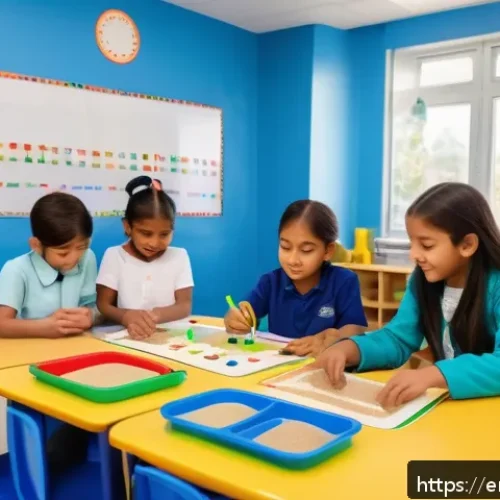
문해교육사와 학생 멘토링 기법 - Image Prompt 1: Building Trust and Respectful Connection**

Let’s be real, adult learners aren’t operating in a vacuum. They’re often juggling jobs, families, and a myriad of other responsibilities that can make finding time and energy for learning a significant challenge.

It’s not like they can just drop everything and dedicate themselves to studying. From my perspective, a truly effective mentor doesn’t just focus on the academic content but also helps them navigate these very real-world hurdles.

If someone is constantly worried about childcare or transportation, their mind isn’t going to be fully present for a reading lesson. This is where the practical side of mentoring comes in – offering guidance, suggesting resources, and sometimes, just being a sounding board for their daily struggles.

It feels like we’re not just tackling literacy, but we’re helping them build a stronger foundation for their entire life.

Time Management Strategies for Busy Lives

I’ve learned that one of the biggest factors in consistent progress is helping learners integrate their studies into their already packed schedules. We often spend time discussing practical time management strategies.

This isn’t about adding more pressure, but about finding pockets of opportunity. Maybe it’s listening to an audiobook during their commute, doing a quick 15-minute practice session during a lunch break, or setting aside a specific, uninterrupted half-hour in the evening.

We talk about breaking down tasks into smaller chunks and celebrating those small moments of dedicated study. Sometimes, just helping them visualize how they can realistically fit learning into their day can be a huge motivator.

It’s about making learning a sustainable habit, not an overwhelming chore.

Connecting with Community Resources and Support

As a mentor, I can’t solve every problem, but I can definitely connect learners with people and organizations that *can*. Many adult literacy programs are linked to broader community services.

If a learner is struggling with childcare, for example, I might point them towards local family resource centers. If transportation is an issue, we can look into public transit options or carpooling opportunities.

Sometimes, it’s about navigating bureaucracy or understanding eligibility for different forms of aid. I see it as part of my responsibility to help them tap into this wider network of support.

It’s about recognizing that literacy isn’t an isolated skill; it’s deeply intertwined with their overall well-being and access to essential services. Building this bridge to community support can remove significant barriers and allow them to focus more fully on their learning journey.

Celebrating Every Step: The Power of Positive Reinforcement

Oh, this is such a crucial one! In the world of adult literacy, where progress can sometimes feel slow and the challenges immense, consistent positive reinforcement is absolutely vital.

It’s not about empty praise; it’s about genuinely acknowledging effort, recognizing small gains, and celebrating every milestone, no matter how tiny it might seem from the outside.

I’ve often seen learners get discouraged if they only focus on the gap between where they are and their ultimate goal. My role is to constantly pivot their perspective back to how far they’ve come.

That sense of accomplishment, that feeling of “I *can* do this,” is what fuels their motivation to keep going, especially when things get tough. It’s like building a strong, internal belief system brick by brick, with each positive affirmation acting as mortar.

Acknowledging Effort Over Perfection

From my personal experience, focusing solely on perfect outcomes can be incredibly demotivating for adult learners. They might feel like they’re failing if they don’t get everything right.

Instead, I heavily emphasize effort and perseverance. Did they try a new strategy? Did they spend extra time reviewing a difficult concept?

Did they show up consistently, even when they felt tired? These are the moments I highlight and praise. It shifts the focus from an intimidating endpoint to the empowering journey of growth itself.

When they understand that putting in the work is more important than achieving immediate perfection, they become more resilient and willing to take risks, which is essential for true learning.

It cultivates a growth mindset, which is just as valuable as any literacy skill.

Recognizing Broader Impacts and Real-World Successes

The beauty of adult literacy is that its impact isn’t confined to a textbook. It ripples out into every aspect of a person’s life. When we celebrate, we don’t just celebrate a successful reading assignment; we celebrate when they tell me they confidently read a sign at the grocery store, or filled out a form for their child’s school, or even just felt comfortable sending a text message.

These are the real-world successes that truly matter. I often ask, “What have you been able to do this week that you couldn’t do before?” Their answers are always incredibly inspiring and reinforce the practical value of their learning.

These stories become powerful motivators, not just for them, but for me too! It’s a constant reminder of the profound difference these efforts make in people’s daily lives and their overall sense of empowerment.

Advertisement

Mentoring for Life: Extending Impact Beyond the Classroom

My goal as an adult literacy mentor has always been to do more than just impart skills; it’s about fostering a lifelong love for learning and empowering individuals to thrive long after our formal sessions conclude.

It would be a disservice to simply teach someone to read and then send them on their way. True mentoring, I believe, involves equipping them with the tools, confidence, and network to continue their educational journey independently and to apply what they’ve learned in meaningful ways in their everyday lives.

It’s about building a foundation that supports continuous growth, because the world is constantly evolving, and so should our learning. This feels like the most sustainable and impactful approach, ensuring that the seeds we plant together continue to blossom long-term.

Fostering a Culture of Continuous Learning

One of the most important things I try to instill in my learners is the idea that learning doesn’t stop. It’s a continuous, exciting process! We discuss how to find new resources, whether it’s local library programs, online courses, or simply engaging with diverse reading materials.

I encourage them to explore topics that genuinely interest them, because passion is such a powerful motivator. We talk about setting new personal learning goals and how to break them down.

It’s about helping them see themselves as capable, independent learners who can navigate the vast world of information. From my experience, once that spark for continuous learning is ignited, it becomes a self-sustaining fire that empowers them far beyond basic literacy.

Building a Support Network for Long-Term Success

No one thrives in isolation, and adult learners are no exception. Part of empowering them for life means helping them build a supportive network. This might involve connecting them with other learners who are on similar journeys, introducing them to community groups, or even encouraging them to share their progress with trusted family and friends.

We discuss the importance of having people they can turn to for encouragement, for practice, or for help when they encounter a challenge. Sometimes, this simply means helping them articulate their needs and successes to others.

This kind of social support acts as a safety net, providing ongoing encouragement and practical assistance long after they’ve moved on from formal mentoring.

It’s truly about building a resilient individual within a supportive community.

Aspect of Mentoring Traditional Approach (Often Less Effective for Adults) Modern, Empathetic Approach (Highly Effective for Adults)
Focus Curriculum-driven, standardized tests, skill deficits. Learner-driven, holistic assessment, real-world application, strengths-based.
Relationship Dynamic Teacher-student hierarchy, formal, impersonal. Collaborative partnership, empathetic, respectful, personal connection.
Motivation Source External pressure, fear of failure, grades. Internal drive, personal goals, celebrated progress, empowerment.
Use of Technology Limited or supplemental, often after formal lessons. Integrated from the start, personalized learning, AI as an assistant.
Addressing Barriers Primarily academic barriers, assumes learners have external support. Holistic support, addresses practical barriers (time, childcare), connects to community resources.

글을 마치며

Whew! What a journey we’ve explored together, diving deep into the heart of adult literacy mentoring. It’s truly incredible to think about the profound impact we can have when we approach learning not just as a task, but as a deeply human connection. Remember, it’s never just about the words on a page; it’s about unlocking potential, building confidence, and empowering individuals to rewrite their own stories. Keep fostering those genuine connections, because that’s where the real magic happens, transforming lives one meaningful conversation and one shared triumph at a time.

Advertisement

알아두면 쓸모 있는 정보

1. Personalized Learning is Power: Forget the cookie-cutter approach. Adult learners thrive when their unique needs, goals, and learning styles are at the forefront. Take the time to truly understand what motivates them and how they best absorb information, then tailor your strategies accordingly. It’s about building a learning path that feels like it was custom-made, boosting engagement and accelerating progress far more effectively than any generic curriculum ever could. This deep personalization creates a sense of ownership and relevance that is incredibly empowering, ensuring that the learning truly sticks and translates into real-world confidence.

2. Embrace Technology Thoughtfully: Digital tools and even AI aren’t here to replace human connection; they’re powerful allies when used wisely. From interactive apps that make practice fun and accessible, to AI-powered feedback that offers non-judgmental guidance, technology can bridge gaps and provide incredible opportunities for independent learning. Always introduce these tools with patience and clear guidance, helping learners feel comfortable and confident in navigating the digital landscape. It’s about giving them an edge and opening up a world of continuous learning opportunities that were once unimaginable.

3. Prioritize Practical, Real-World Application: Learning should never feel abstract or disconnected from daily life. For adult learners, seeing the immediate, tangible benefits of their efforts is a huge motivator. Whether it’s reading a bus schedule, understanding a job application, or helping a child with homework, connect every lesson back to a real-world scenario. This approach not only makes the learning more relevant and engaging but also instills a profound sense of purpose and accomplishment. When they can apply what they’ve learned instantly, their confidence skyrockets, fueling their desire to keep pushing forward.

4. Confidence is Your Secret Weapon: Many adult learners carry a history of frustration or self-doubt. Your role as a mentor goes far beyond teaching skills; it’s about rebuilding self-esteem and fostering a belief in their own capabilities. Celebrate every tiny victory, acknowledge every effort, and create a safe space where mistakes are seen as learning opportunities, not failures. A confident learner is a resilient learner, willing to take risks and persist through challenges. When they feel truly seen and valued, they unlock a potential they might not have even known they possessed, setting the stage for long-term success both in and out of the learning environment.

5. Build a Holistic Support

중요 사항 정리

The essence of effective adult literacy mentoring lies in cultivating genuine human connection, embracing highly personalized learning paths, and strategically leveraging modern digital tools and AI. It’s about empowering learners by addressing both academic skills and vital emotional barriers, fostering their confidence, and ensuring practical support for real-world challenges. Ultimately, the goal is to ignite a lifelong passion for learning and equip individuals with the autonomy and resources to thrive well beyond formal instruction, transforming not just their literacy levels, but their entire lives.

Frequently Asked Questions (FAQ) 📖

Q: Why is adult literacy mentoring more critical than ever in our modern, fast-evolving world?

A: That’s a fantastic question, and it’s one I get a lot! It truly boils down to how much our world has changed, even in just the last decade. Think about it: everything from applying for a job, navigating online banking, understanding health information, or even helping your kids with their schoolwork now requires a level of literacy and digital fluency that simply wasn’t a universal expectation before.
I’ve personally seen how individuals, who are incredibly intelligent and capable in so many ways, find themselves facing barriers because of gaps in their foundational literacy.
What makes mentoring so crucial now is that it provides a personalized, judgment-free zone where adults can catch up, gain confidence, and unlock opportunities that were previously out of reach.
It’s not just about reading a book; it’s about reading a pay stub, a lease agreement, or an online news article critically. This isn’t a “nice-to-have” anymore; it’s a foundational skill for truly participating and thriving in today’s society, and one-on-one or small-group mentoring is often the most effective, empathetic way to bridge that gap.
It truly makes all the difference.

Q: What’s the biggest difference when you’re mentoring an adult learner compared to teaching a child, and why is understanding that so important?

A: Oh, this is such a vital distinction, and it’s something I always emphasize! When you’re mentoring an adult, you’re not just dealing with an empty slate.
You’re working with someone who brings a rich tapestry of life experiences, responsibilities, and often, past educational experiences that might not have been positive.
For children, learning is often their primary “job,” and they’re generally less self-conscious about making mistakes. Adults, on the other hand, are juggling jobs, families, and often carry a very real fear of judgment or a sense of shame about their literacy levels.
From my own experience, the key is respect, autonomy, and relevance. Adult mentoring absolutely has to be learner-centered. We need to build on what they already know, respect their existing knowledge and wisdom, and immediately connect the learning to their real-world goals—whether that’s reading a prescription label, writing a simple email, or filling out a job application.
It’s about empowering them, not just instructing them. It’s a completely different dynamic, built on mutual respect and understanding their unique motivations and challenges.

Q: For someone passionate about this cause, what are the practical first steps to getting involved or finding the right resources to become an effective adult literacy mentor?

A: If you’re anything like me, you’re probably wondering, “How can I help?” And believe me, your passion is exactly what’s needed! The best place to start is almost always your local community.
Look for established adult literacy councils, non-profit organizations, or even community college outreach programs. Many cities and towns have dedicated centers that offer free literacy support, and they are always looking for compassionate volunteers.
I’d highly recommend looking for programs that provide structured training, because effective adult mentoring isn’t just about good intentions—it involves specific techniques and an understanding of adult learning principles.
You’ll likely undergo some background checks and receive guidance on curriculum and best practices. Websites like ProLiteracy (a major national organization in the US) can also be fantastic resources for finding local affiliates or online training opportunities.
Whether you can commit to an hour a week or a few hours a month, every single moment you dedicate makes an incredible difference in someone’s life. It’s incredibly rewarding, believe me!

Advertisement