Hey everyone! It’s wild to think how much our world has transformed, isn’t it? In this incredibly fast-paced digital age, where information flies at us from every direction, the simple act of reading and writing feels more crucial than ever.
It’s not just about decoding words anymore; it’s about navigating complex digital landscapes, understanding critical news, and truly connecting with the world around us.
I’ve personally seen the immense power that literacy brings, unlocking doors for people who once felt isolated or left behind. That’s where our unsung heroes, the dedicated literacy educators, step in.
They’re not just teaching ABCs; they’re empowering individuals to reclaim their confidence and participate fully in society. And let me tell you, the evolution of educational support systems, from groundbreaking online tools to vital community programs, is absolutely fascinating.
These systems are constantly adapting to meet modern challenges, ensuring that learning is accessible and impactful for everyone. What I’ve learned by really digging into this topic is how these educators, armed with innovative tools and unwavering passion, are shaping not just individual lives, but the very fabric of our communities.
It’s a powerful movement towards a more inclusive future, and the trends we’re seeing right now are truly inspiring. Let’s dive deeper and truly understand the magic they’re creating!
The Unsung Heroes: Empowering Lives Through Words

More Than Just Teachers: The Dedication of Literacy Educators
It’s genuinely incredible when you pause to consider the sheer dedication that literacy educators pour into their work. I’ve had the privilege of meeting a few of these remarkable individuals, and what strikes me most isn’t just their teaching prowess, but their unwavering belief in every person’s potential.
They’re not simply imparting grammar rules or vocabulary; they’re meticulously rebuilding self-confidence, bit by painstaking bit, often with adults who carry years of shame or missed opportunities.
My own journey, which has brought me into contact with various educational initiatives, has truly highlighted how these educators become genuine advocates for their students.
They craft personalized learning paths, celebrate tiny victories, and create an environment where fear of judgment dissolves. It’s a profound human connection, really, where trust is built syllable by syllable.
Seeing a student’s face light up as they finally grasp a complex sentence or confidently read a newspaper article for the first time? That’s not just a learning outcome; it’s a life-altering moment, and these educators are at the heart of making those moments happen every single day.
They’re shaping not just readers, but active, engaged citizens.
Navigating the Digital Divide: Adaptability in Modern Teaching
The landscape of learning has transformed dramatically, hasn’t it? What used to be a chalkboard and textbooks has now blossomed into a vibrant, sometimes overwhelming, digital ecosystem.
Literacy educators today aren’t just teaching reading and writing in the traditional sense; they’re also guiding learners through the complexities of digital literacy.
I remember talking to an educator in a community center last year who was helping a group of seniors learn to decipher online news articles – not just the words, but understanding potential misinformation, identifying credible sources, and even navigating basic web interfaces.
It really hit home for me how crucial this modern approach is. It’s not enough to be able to read a printed page when so much of our daily lives, from banking to healthcare, happens online.
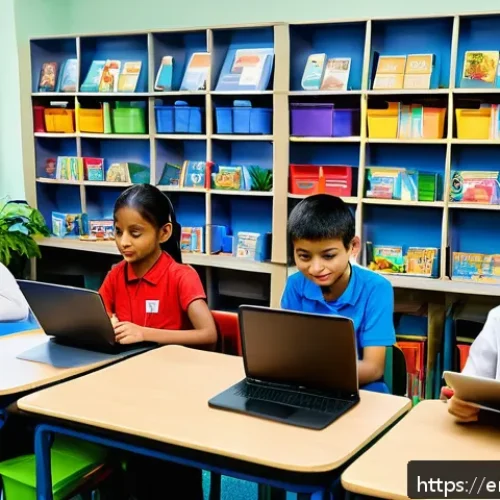
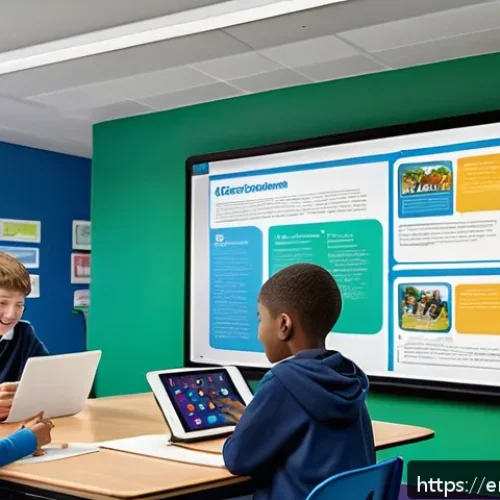
These educators are constantly adapting, incorporating everything from interactive apps to secure email communication into their lessons. It’s a continuous learning curve for them too, always seeking out the best, most accessible digital tools to ensure no one is left behind in our increasingly digital world.
Their ability to pivot and integrate new technologies is truly inspiring and essential for their students’ success.
Revolutionizing Support: Technology’s Role in Literacy
Unlocking Potential with Innovative Online Tools
The explosion of online educational tools has genuinely changed the game for literacy support. It’s no longer about being physically present in a classroom, which for many, especially those with work commitments or mobility issues, was a huge barrier.
Now, with just a smartphone or a basic computer, someone can access a wealth of resources from the comfort of their home. I’ve personally explored several of these platforms, and what’s remarkable is their ability to cater to diverse learning styles.
From interactive phonics games for early learners to advanced grammar modules for adults looking to brush up on their skills for a job interview, the personalization options are fantastic.
Some platforms even use AI to adapt lessons based on a user’s progress, offering targeted practice where it’s most needed. It feels less like a chore and more like an engaging challenge.
This accessibility is truly a game-changer, allowing continuous learning and reinforcing what’s taught in person, making literacy education a fluid, ongoing process rather than a static event.
It’s truly empowering to see how technology removes traditional obstacles, making learning more inclusive than ever before.
Connecting Communities Through Virtual Learning Hubs
Beyond individual apps, we’re seeing the rise of virtual learning hubs that foster a real sense of community, even when learners are miles apart. My experience with a few of these initiatives has shown me that while the tools are digital, the human connection remains paramount.
These hubs often feature online forums, virtual tutoring sessions, and even collaborative writing projects, allowing learners to practice their skills in a supportive, interactive environment.
It’s not just about consuming content; it’s about creating, sharing, and receiving feedback in real-time. This is particularly impactful for adults who might feel isolated or embarrassed about their literacy challenges.
Being part of an online community, where everyone is working towards a common goal, can be incredibly motivating. It offers a safe space to ask questions, share struggles, and celebrate successes without the pressure of a traditional classroom.
The sense of belonging these virtual spaces cultivate is a powerful driver for sustained engagement, demonstrating that technology, when thoughtfully applied, can amplify human connection rather than diminish it, all while boosting literacy.
Community at the Core: Local Initiatives Making a Difference
Building Bridges with Local Literacy Programs
While technology offers incredible reach, we absolutely cannot overlook the irreplaceable value of local, grassroots literacy programs. These are often the first point of contact for individuals needing help, providing a personal touch that digital tools can’t quite replicate.
I’ve volunteered with a local adult literacy group in my area, and witnessing the direct, face-to-face interaction has been profoundly impactful. They offer small group classes, one-on-one tutoring, and often integrate practical life skills, like filling out job applications or understanding rental agreements.
These programs are deeply embedded in their communities, understanding the specific needs and cultural nuances of the populations they serve. For example, some programs specifically offer ESL (English as a Second Language) support tailored to recent immigrants, incorporating cultural context and practical communication skills relevant to their new lives.
This localized approach ensures that the support is not only accessible but also culturally sensitive and highly effective, truly reflecting the diverse needs of our communities.
It’s all about creating safe, welcoming spaces where people feel comfortable enough to embark on their learning journey.
The Power of Partnerships: Libraries and Beyond
The strength of many community literacy initiatives often lies in their strategic partnerships. Libraries, for instance, are absolute cornerstones. They’re not just places for books; they’re vibrant community hubs offering free computer access, literacy workshops, and often housing dedicated literacy tutors.
I’ve seen firsthand how libraries extend their reach, partnering with local non-profits, schools, and even businesses to create a broader network of support.
Imagine a local business sponsoring a reading program, or a school opening its doors for evening adult literacy classes – these collaborations maximize resources and extend the impact far beyond what any single entity could achieve alone.
This collaborative spirit ensures that literacy support isn’t isolated but integrated into the community’s fabric, making it more visible and accessible to those who need it most.
These partnerships demonstrate a collective commitment to fostering a literate society, proving that when various community stakeholders come together, incredible things can happen, nurturing a culture where lifelong learning is celebrated and supported.
The Ripple Effect: Literacy’s Impact on Life and Society

Transforming Individual Lives and Aspirations
It’s genuinely humbling to witness the transformative power of literacy on an individual’s life. I’ve heard countless stories, some heartbreaking, some incredibly inspiring, of how simply learning to read or write has opened up a world of possibilities.
It’s not just about better job prospects, though that’s a significant benefit; it’s about the sheer confidence and independence it instills. Imagine being able to read a menu at a restaurant without relying on someone else, or confidently helping your child with their homework, or even just understanding a bus schedule.
These seemingly small acts accumulate into a profound sense of self-worth and belonging. My own experiences, both personal and through my work, have reinforced that literacy empowers people to advocate for themselves, to engage critically with the world, and to pursue their dreams with renewed vigor.
It’s truly a fundamental human right, and when it’s unlocked, it unleashes a cascade of positive changes that ripple through every aspect of a person’s existence, making them a more active and engaged participant in their own life journey.
Strengthening the Fabric of Our Communities
The benefits of widespread literacy extend far beyond the individual; they permeate and strengthen the very fabric of our communities. When more people are literate, we see improvements across a spectrum of societal indicators.
Health outcomes improve because people can read medication labels and understand health information. Economic vitality increases as individuals gain skills for better employment and contribute more to the local economy.
Civic engagement deepens as citizens can read local news, understand policy issues, and participate more effectively in democratic processes. My observations have consistently shown that literate communities are more resilient, more informed, and more connected.
They’re better equipped to tackle challenges, foster innovation, and support one another. It’s an investment in human capital that yields exponential returns, creating a more inclusive, equitable, and prosperous society for everyone.
These dedicated efforts by literacy educators and support systems aren’t just about teaching skills; they’re about building stronger, more vibrant communities, one empowered reader at a time.
It’s a collective journey towards a brighter future.
Anticipating Tomorrow: Future Trends in Literacy Support
Personalized Learning Pathways and AI Integration
Looking ahead, I’m incredibly excited about the potential for even more personalized learning experiences, especially with the advancements in AI. Imagine a literacy program that not only adapts to your learning pace but also understands your specific struggles and tailors content to your interests and cultural background in real-time.
I’ve been following developments where AI algorithms analyze a learner’s writing style, reading comprehension, and even emotional responses to suggest optimal learning materials and provide instant, constructive feedback.
This isn’t about replacing human educators – far from it! Instead, it’s about equipping them with powerful tools to augment their teaching, allowing them to focus more on the critical human connection and less on repetitive tasks.
My personal belief is that this blend of cutting-edge technology and empathetic human guidance will create truly revolutionary literacy outcomes, making learning more engaging, efficient, and accessible than ever before, truly a bespoke educational journey for every individual.
Bridging Gaps with Gamification and Immersive Experiences
Another trend that has caught my eye is the increasing use of gamification and immersive learning experiences to make literacy education more engaging, particularly for younger learners or those who find traditional methods daunting.
Think about it: turning reading comprehension into an interactive quest, or vocabulary building into a puzzle game where you earn points and unlock new levels.
These approaches tap into our natural desire for challenge and reward, making the learning process feel less like a chore and more like an enjoyable pastime.
I’ve seen some fantastic examples of virtual reality (VR) environments where learners can practice reading street signs in a simulated city, or engage in conversational English with AI characters in a virtual café.
This isn’t just about making it “fun”; it’s about creating memorable, context-rich learning situations that stick with you. The idea is to make literacy so compelling that learners are intrinsically motivated to continue, transforming what can sometimes be a struggle into an adventure.
| Aspect of Literacy Support | Traditional Approach | Modern Approach (Key Advantages) |
|---|---|---|
| Accessibility | Limited by physical location and fixed schedules. | Online platforms, flexible scheduling, remote access; significantly reduces barriers. |
| Personalization | One-size-fits-all classroom instruction. | Adaptive learning algorithms, AI-driven feedback, individualized content; tailored to specific needs. |
| Engagement | Reliance on textbooks and lectures; can be passive. | Gamification, interactive apps, virtual reality; creates dynamic, immersive learning. |
| Community Support | Primarily in-person group classes. | Virtual learning hubs, online forums, digital collaborations; fosters broader connections. |
| Educator Role | Primary content deliverer. | Facilitator, mentor, guide; leverages technology to enhance personalized teaching. |
글을 마치며
Well, that was quite a journey, wasn’t it? Diving deep into the heart of literacy education, its incredible impact, and the passionate people driving it forward truly warms my heart.
It’s so much more than just reading words on a page; it’s about unlocking human potential, fostering confidence, and building stronger, more connected communities.
Every story, every breakthrough, reminds me just how vital these efforts are in shaping not just individual lives, but the very future we all share. Let’s keep championing this cause, together.
알아두면 쓸모 있는 정보
Explore Your Local Library: Don’t underestimate your public library! Beyond books, many offer free literacy programs, ESL classes, computer access, and even one-on-one tutoring. They’re community hubs, and their staff are usually incredibly helpful in pointing you to the right resources. I’ve personally seen how much good they do in their neighborhoods.
Check Out Online Learning Platforms: If in-person classes aren’t feasible, there are fantastic online resources like Khan Academy, Coursera, or even dedicated literacy apps. Many offer flexible schedules and personalized learning paths, perfect for brushing up on skills or learning something new. It’s amazing what you can learn from your couch these days!
Volunteer Your Time: If you’re looking to make a difference, consider volunteering with a local literacy organization. Even an hour a week can have a profound impact on someone’s life. Trust me, the satisfaction of helping someone gain confidence in reading or writing is truly unparalleled.
Support Literacy Initiatives: Whether through donations or advocating for stronger educational policies, your support can help ensure these vital programs continue to thrive. A literate society benefits everyone, and every little bit of advocacy helps pave the way for more widespread access to learning. Your voice matters!
Engage in Lifelong Learning: Never stop being curious! Read widely, explore new topics, and don’t be afraid to ask questions. Literacy is a journey, not a destination, and keeping your mind active is the best way to not only improve your own skills but also to inspire those around you. Plus, it keeps life exciting!
중요 사항 정리
Ultimately, fostering literacy is a powerful blend of dedicated human educators, innovative technological tools, and robust community partnerships. It’s a holistic endeavor that transcends simple skill acquisition, profoundly impacting individual confidence, societal well-being, and our collective future.
Investing in literacy is investing in humanity itself.
Frequently Asked Questions (FAQ) 📖
Q: What makes literacy so incredibly vital in our modern, super-connected world compared to, say, a few decades ago?
A: Oh, that’s such a fantastic question, and one I think about a lot! When my grandparents were growing up, being literate mostly meant being able to read a newspaper or a letter, maybe a book.
Fast forward to today, and it’s a whole new ballgame! We’re swimming in information – from breaking news alerts on our phones to complex articles online, to understanding digital safety tips and even just figuring out how to use a new app.
It’s not just about reading words anymore; it’s about critical literacy. Can you discern what’s true from what’s fake online? Can you understand a complicated health report or a job application that’s entirely digital?
I’ve personally seen how a lack of these skills can leave people feeling totally isolated, unable to access job opportunities, vital health information, or even just stay connected with loved ones on social media.
It truly impacts everything, making literacy the ultimate superpower for navigating modern life. It’s about empowerment, plain and simple.
Q: How are literacy educators really stepping up their game and adapting to these new challenges? What kind of innovative tools or programs are making a real difference?
A: This is where it gets super exciting! I’ve been so impressed by the sheer dedication and ingenuity of literacy educators. They’re not just sticking to old textbooks; they’re embracing technology in ways that would have seemed futuristic not long ago.
We’re seeing incredible online platforms that use AI to personalize learning, adjusting to each student’s pace and needs – imagine getting a tutor that knows exactly where you struggle!
Then there are community programs leveraging virtual reality to create immersive reading experiences or teaching digital citizenship alongside traditional phonics.
I’ve also witnessed grassroots initiatives where volunteers use video calls to help new immigrants practice English, breaking down geographical barriers.
It’s not just about digital tools though; it’s also about changing how we teach. They’re focusing on culturally relevant materials, integrating life skills, and building confidence in ways that traditional classrooms sometimes couldn’t.
It’s a holistic approach, and it’s truly making learning more accessible and, crucially, more engaging for everyone.
Q: Beyond individual lives, what kind of broader societal impact are these evolving literacy efforts having, and what does this mean for our communities in the long run?
A: What an insightful question! The ripple effect of enhanced literacy is absolutely massive, and honestly, it’s what keeps me so passionate about this topic.
When individuals become more literate, they don’t just improve their own lives; they uplift entire communities. Think about it: a more literate population means a stronger workforce, reducing unemployment and fostering economic growth.
People can advocate for themselves and their families more effectively, participate more robustly in local politics, and engage in civic life. I’ve seen neighborhoods transform as adult literacy programs lead to greater community involvement, healthier families, and even reduced crime rates.
When parents improve their literacy, their children are far more likely to succeed in school, breaking cycles of disadvantage. In the long run, these efforts are building more resilient, equitable, and informed societies.
It means less susceptibility to misinformation, more critical thinking, and a populace that can actively contribute to shaping a better future. It’s a movement towards true inclusion, where every voice has the power to be heard and understood.