Hey there, wonderful readers! Have you ever paused to think about the incredible power of adult education? It’s more than just mastering letters or numbers; it’s about unlocking a whole new universe of possibilities for individuals who might have had different paths earlier in life.
From my own experience working with learners of all ages, there’s a unique kind of triumph when an adult finally grasps a concept they’ve been struggling with.
It’s truly heartwarming, but also a huge responsibility for us, the educators. In today’s fast-paced world, where digital literacy and continuous learning are non-negotiable, figuring out how to set truly effective learning goals for adult students is more crucial than ever.
I’ve spent years honing strategies and seeing firsthand what truly works to keep motivation high and progress steady. Trust me, getting this right can make all the difference, not just for the learner, but for their entire community.
I’m excited to share some of my best strategies and real-world examples with you today. Let’s get into the nitty-gritty and truly master the art of empowering adult learners!
Cultivating a Growth Mindset: The First Step to Empowerment

You know, when I first started working with adult learners, I quickly realized something profound: many of them arrive with a mix of incredible life experience and, sometimes, a touch of apprehension about learning. It’s not about lacking intelligence; it’s often about past educational experiences or the belief that their “learning days” are behind them. My job, and what I’ve seen work wonders, is to help them cultivate a powerful growth mindset right from the get-go. This isn’t just a feel-good philosophy; it’s a practical cornerstone for sustained learning. We talk about how mistakes are opportunities, how effort is the path to mastery, and how their brains are absolutely capable of forming new connections, no matter their age. I’ve watched students who initially felt intimidated by technology transform into confident digital navigators, simply because they shifted from “I can’t do this” to “I’ll figure this out.” It’s an amazing transformation to witness, and it proves that mindset truly is everything when you’re embarking on a new learning journey. It’s truly inspiring when someone who thought they’d never grasp a new skill suddenly has that ‘aha!’ moment.
Beyond Basic Literacy: Defining Their “Why”
One of the most powerful things we can do as educators is to help adults articulate their deeply personal “why.” It’s rarely just about getting a certificate; it’s about better job prospects, helping their children with homework, engaging more fully in their community, or finally pursuing a lifelong dream. I sit down with each student, often over a cup of coffee (or tea!), and really listen to their stories. I remember Sarah, a grandmother who wanted to learn basic computer skills not for a job, but so she could video chat with her grandkids who lived across the country. Her “why” was pure connection, and that became the driving force behind every lesson. When a goal is tied to something so meaningful, the motivation becomes intrinsic and incredibly resilient. This deep dive into their personal aspirations not only clarifies their learning path but also builds an incredible bond of trust and mutual respect between us.
Reframing Past Experiences into Future Strengths
Many adult learners carry baggage from less-than-positive experiences in traditional schooling. We need to acknowledge those feelings and help them reframe their past into a launchpad for future success. Instead of seeing previous academic struggles as failures, we help them recognize the resilience and life skills they gained. Perhaps they’re incredibly adept problem-solvers from their work experience, or they’ve mastered complex real-world tasks outside of a classroom. These are all valuable assets. I encourage them to draw on these strengths, showing them how their innate abilities can be applied to new learning challenges. This process of validating their life journey and connecting it to their educational aspirations is absolutely crucial for building confidence and a strong foundation for goal setting. It’s about empowering them to see themselves as capable, experienced learners, rather than starting from scratch.
The S.M.A.R.T. Approach for Grown-Ups: Tailoring Goals for Impact
Alright, so we’ve all heard of S.M.A.R.T. goals – Specific, Measurable, Achievable, Relevant, Time-bound. But honestly, for adult learners, we need to add a layer of human understanding and flexibility. It’s not just about ticking boxes; it’s about crafting goals that truly resonate and fit into their often-complex lives. When I work with an adult student, we adapt this framework to make it more personal and less rigid. For example, ‘Achievable’ for someone juggling a full-time job and family responsibilities looks very different than for a traditional college student. We consider their unique constraints and design steps that are challenging yet realistic. It’s about progress, not perfection, and celebrating every small victory along the way. I’ve found that breaking down larger aspirations into digestible, S.M.A.R.T.-ish chunks makes the whole journey feel less daunting and a lot more manageable. This careful calibration ensures that their learning journey is sustainable and genuinely rewarding, rather than just another source of stress in their already busy lives.
Specific and Meaningful: Beyond Vague Aspirations
Instead of “I want to improve my math,” we push for something like, “I want to confidently calculate percentages for my small business inventory by the end of three months.” See the difference? It’s not just specific; it’s meaningful to their real life. We delve into *why* they want to learn something and then craft a goal that directly addresses that underlying need. This level of specificity makes the goal tangible and creates a clear roadmap for what success looks like. I’ve had countless conversations where a student started with a general idea and, through patient questioning, we uncovered the precise skill that would unlock a significant opportunity for them. This process is like finding the perfect key for a specific lock, rather than just fumbling with a whole keyring. It’s truly gratifying to see the light bulb go off when they realize exactly what they’re striving for.
Realistic and Resource-Aware: Balancing Ambition with Life
Achievable and Time-bound in adult education are deeply intertwined with a learner’s available resources: time, energy, and support. It’s not enough to say “learn to code in three months” if they have two small children and work two jobs. We need to be brutally honest and incredibly empathetic about what’s genuinely possible. We might adjust the timeline, break the learning into smaller modules, or explore alternative learning methods that fit their schedule better. I once had a student who desperately wanted to get her GED but only had an hour free each evening after her kids were asleep. We designed a micro-learning plan, focusing on short, targeted study sessions, celebrating each topic mastered. It took longer than she initially hoped, but she achieved it without burning out. This realistic approach prevents discouragement and keeps the flame of motivation burning steadily.
Navigating the Digital Divide: Essential Goals for the Modern Learner
Let’s be real, in today’s world, digital literacy isn’t a bonus; it’s a non-negotiable. For many adult learners, this can feel like scaling a mountain. The idea of navigating a computer, using email, or understanding online safety can be incredibly daunting, especially for those who haven’t grown up with technology. However, I’ve seen firsthand the profound impact that mastering these skills can have on their lives—opening up job opportunities, connecting them with services, and shrinking the world in amazing ways. My approach here is always hands-on and incredibly patient, breaking down complex digital tasks into bite-sized, manageable steps. We focus on practical, immediate applications that demonstrate the value, like setting up an email for job applications or learning to video call family members. It’s less about becoming a tech expert and more about becoming a confident digital citizen, capable of interacting effectively and safely in our increasingly online world. This area, more than almost any other, can truly transform someone’s independence and opportunities.
Building Confidence Through Practical Digital Skills
The key here is practical application that directly benefits their lives. We don’t start with abstract concepts. Instead, we begin with things like sending an email with an attachment, filling out an online form, or safely searching for information. Each successful step builds confidence, and that confidence is like rocket fuel for continued learning. I remember working with a gentleman who was convinced he was “too old” for computers. We started by showing him how to find sports scores online, something he was passionate about. That small victory led to him emailing his local library, then applying for jobs online. It was a snowball effect fueled by tangible successes. These aren’t just technical skills; they’re life skills that empower individuals to engage more fully with their communities and take control of their own information access. It truly lights me up to see that spark in their eyes when they realize they’ve just done something they thought was impossible.
Understanding Online Safety and Information Literacy
Beyond simply *using* digital tools, adult learners absolutely need to understand how to use them safely and critically. This means setting goals around recognizing phishing scams, understanding privacy settings, and discerning reliable information from misinformation online. It’s a crucial component of digital literacy that’s often overlooked. We discuss real-world examples, like identifying suspicious emails or checking multiple sources for news. The goal isn’t to scare them away from the internet, but to equip them with the critical thinking skills to navigate it wisely. My experience has shown that empowering them with this knowledge not only protects them but also turns them into more informed and discerning individuals in all aspects of their lives. It’s about giving them the tools to not just survive, but thrive, in the digital age.
Fostering Intrinsic Motivation: Keeping the Learning Flame Alive
Let’s be honest, adult life is busy. There are jobs, families, responsibilities, and sometimes, simply the exhaustion of it all. So, how do we keep that initial spark of learning alive and transform it into a steady flame of intrinsic motivation? This is where the magic happens. It’s not about grades or external pressures; it’s about connecting learning to their personal growth, their sense of accomplishment, and the joy of discovery. I’ve found that creating an environment where learners feel heard, valued, and genuinely supported is absolutely paramount. We celebrate small wins with gusto, we acknowledge struggles with empathy, and we constantly remind them of their initial “why.” My classroom, whether virtual or in person, is a place where mistakes are just opportunities for a good laugh and a chance to try again. It’s a space where they feel safe to be vulnerable, to ask “silly” questions, and to experiment without judgment. This human-centered approach is what truly fuels long-term engagement and ensures that learning becomes a sustainable, enjoyable part of their lives. Without this, even the best-laid plans can crumble under the weight of daily life.
Creating a Culture of Celebration and Small Wins
Nothing builds momentum like success, even tiny successes. Whether it’s mastering a new vocabulary word, successfully logging into an online portal, or finally understanding a tricky math concept, we make a big deal out of it. I keep a “Victory Log” in my mind (and sometimes on a whiteboard!) where we track these small achievements. It helps learners visualize their progress and reminds them how far they’ve come. For instance, I recall one student who struggled immensely with reading comprehension. When she finally understood a complex news article, we all paused, clapped, and she shared how proud she felt. These moments are incredibly powerful; they reinforce the idea that effort leads to reward and that their hard work is truly paying off. It’s a simple yet incredibly effective strategy for keeping spirits high and motivation strong, showing them that every step forward, no matter how small, is worth acknowledging and celebrating.
Connecting Learning to Immediate, Tangible Benefits
Adult learners need to see the direct relevance of what they’re learning to their daily lives or future aspirations. If they’re learning basic math, we might use examples related to budgeting household expenses or understanding sales discounts. If it’s writing, we focus on crafting a compelling resume or writing effective emails. When the learning is immediately applicable, it creates a powerful feedback loop: they learn something, apply it, see a positive result, and are motivated to learn more. This practical connection is vital for maintaining engagement. I’ve seen students who were initially disengaged perk up instantly when they realized a lesson on spreadsheet basics could help them organize their personal finances or track their small business sales. That immediate utility is often the biggest motivator, transforming abstract lessons into essential tools for life.
Overcoming Obstacles: Common Hurdles and Empathetic Solutions
Let’s face it, adult learners often carry more than just their backpacks to class; they bring life’s complexities with them. We’re talking about juggling jobs, caring for family, navigating financial pressures, and sometimes, dealing with sheer exhaustion. These aren’t just minor inconveniences; they can be significant roadblocks to achieving learning goals. As educators, our role extends beyond just teaching content; it’s about being an empathetic guide, helping them identify these hurdles and find practical solutions. I’ve learned that listening without judgment is the first and most critical step. Sometimes, just having someone acknowledge their struggles can make a world of difference. We then work together, collaboratively, to brainstorm strategies that fit their unique circumstances, rather than imposing a one-size-fits-all solution. This collaborative problem-solving approach not only helps them stay on track but also builds their confidence in tackling life’s challenges, both inside and outside the classroom. It’s about being a partner in their journey, not just an instructor.
Time Management and Prioritization Strategies
One of the biggest challenges for adult learners is finding the time amidst their busy schedules. We often dedicate sessions to practical time management and prioritization. This isn’t about lecturing; it’s about sharing tools and techniques, like creating a realistic study schedule, identifying “time robbers,” or using simple planners. I’ve found that many adults benefit from learning how to break down large tasks into smaller, more manageable chunks, making them less overwhelming. We explore strategies like the Pomodoro Technique or the “Eat the Frog” method for tackling difficult tasks first. It’s about empowering them with practical life skills that extend far beyond the classroom, helping them manage their entire lives more effectively. I once helped a single mom create a study plan that incorporated her children’s nap times and her commute, and it transformed her ability to consistently engage with her coursework. It’s about finding the small pockets of time they didn’t even realize they had.
Building a Supportive Network: Peer and Community Resources
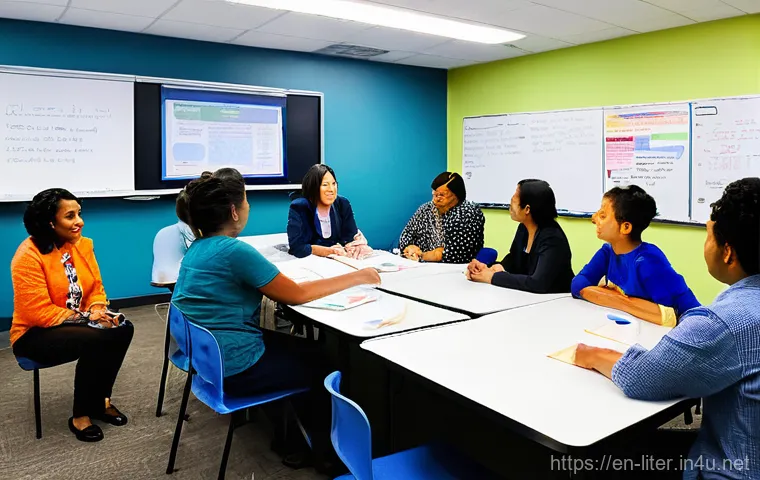
No one learns in a vacuum, especially adults. Encouraging them to build a supportive network is absolutely vital. This can mean connecting them with peer study groups, local community resources like libraries or tutoring services, or even online forums. When they feel like part of a community, they’re less likely to feel isolated when challenges arise. I make a conscious effort to foster a friendly, collaborative atmosphere in my classes, often pairing students for activities so they can support each other. I’ve seen powerful bonds form, with students encouraging each other, sharing tips, and even carpooling to classes. This goes beyond just academic support; it builds a sense of belonging and camaraderie that makes the learning journey much richer and more resilient against setbacks. It’s truly amazing to see how much strength and encouragement they draw from each other.
Measuring Success Beyond Grades: Holistic Progress Tracking
When it comes to adult education, traditional grading systems often fall short of capturing the true breadth of a learner’s progress. For us, success isn’t just about a letter on a report card; it’s about growth in confidence, the application of new skills in real-life situations, and the overall empowerment of the individual. Therefore, our measurement strategies are far more holistic. We track things like increased participation in discussions, successful completion of personal projects (like writing a letter to a landlord or setting up an online banking account), and qualitative feedback from the learners themselves. It’s incredibly rewarding to see someone who was once hesitant to speak up now confidently sharing their thoughts. This approach ensures that we’re not just educating for academic achievement, but for life achievement, celebrating every step they take towards their personal and professional goals. It’s about building self-efficacy and demonstrating their tangible development in ways that truly matter to them. The feeling of seeing a student truly internalize a new skill and apply it in their everyday life is just unmatched.
Personalized Progress Portfolios: A Visual Journey
I’ve found immense value in creating personalized “progress portfolios” with my students. These aren’t just folders of completed assignments; they’re dynamic collections that showcase their journey. It might include examples of their improved handwriting, a screenshot of their first successful email, a written reflection on a challenging concept they’ve mastered, or even a short video clip of them confidently speaking in English. This visual and tangible evidence of their growth is incredibly motivating. It allows them to literally see how far they’ve come, reinforcing their belief in their own capabilities. I remember one student who kept a journal of her English vocabulary acquisition; watching her flip through pages of words she once didn’t know, now using them fluently, was a testament to the power of this method. It’s a powerful tool for self-reflection and a fantastic way to celebrate their individual triumphs. It’s their own personal story of growth, documented and cherished.
Feedback Loops and Self-Assessment for Empowerment
Empowering adult learners means giving them agency in their own assessment. We implement regular feedback loops, not just from me, but through peer review and guided self-assessment. I provide clear rubrics that focus on effort, application, and improvement, rather than just right or wrong answers. This encourages critical self-reflection and helps them identify their own strengths and areas for continued growth. For example, after a writing assignment, students might use a checklist to evaluate their own work before I even see it, then discuss their findings with a peer. This process transforms assessment from a daunting judgment into a valuable learning tool. It teaches them to be active participants in their own learning journey, developing the skills to evaluate their own progress and set future goals independently. It’s about fostering lifelong learners who can guide their own educational path.
| Aspect of Goal Setting | Traditional Approach | Adult Learner Centric Approach |
|---|---|---|
| Motivation Source | Often external (grades, college acceptance) | Strongly intrinsic (personal growth, job, family) |
| Time Horizon | Often short-term (semester, project deadline) | Flexible, often long-term with micro-goals |
| Achievability | Assumes consistent availability for study | Highly considers real-life constraints (work, family, health) |
| Relevance | Often curriculum-driven | Directly tied to personal and professional life application |
| Feedback & Progress | Primarily graded assessments | Holistic, includes confidence, application, self-assessment, qualitative growth |
| Support System | Teacher/Institution focused | Peer networks, community resources, flexible instructor guidance |
Building a Lasting Legacy: Empowering Communities Through Adult Ed
The ripple effect of empowering an adult learner extends far beyond that individual. When an adult gains new skills, boosts their confidence, or achieves a long-held dream, it positively impacts their family, their workplace, and their entire community. This is the part of adult education that truly lights me up – seeing how one person’s triumph can spark change in so many others. A parent who improves their literacy can better support their child’s education. An individual who gains digital skills can advocate more effectively for themselves or their neighborhood. A new small business owner, after mastering basic accounting, contributes to the local economy. We often talk about individual goals, but I always emphasize the broader impact. It’s about realizing that their personal growth isn’t just for them; it’s a contribution to something bigger. This perspective adds an incredible layer of meaning and purpose to their learning journey, transforming it into a powerful act of community building. It’s a truly beautiful thing to witness, and it’s why I believe so deeply in the power of adult learning.
Advocacy and Community Engagement
Part of our role is to encourage adult learners to use their newfound skills and confidence to engage more actively in their communities. This could mean understanding local government processes, advocating for issues they care about, or volunteering their time and expertise. When a learner masters public speaking, they might join a local neighborhood council. When they understand legal documents, they can help neighbors navigate complex forms. I’ve seen graduates of our programs go on to become powerful voices in their communities, driving positive change. We help them see that their education is a tool for civic engagement, not just personal advancement. This elevates their learning goals beyond personal achievement, connecting them to a broader sense of responsibility and impact. It truly transforms the learning experience into a platform for making a difference in the world around them.
Mentorship and Inspiring Future Learners
One of the most powerful outcomes I’ve observed is when former adult learners become mentors themselves, inspiring and guiding new students. There’s a unique relatability and empathy that comes from having walked a similar path. We actively create opportunities for our alumni to share their stories, offer advice, and even volunteer as peer tutors. This not only provides invaluable support for current students but also gives the mentors a renewed sense of purpose and pride in their achievements. It closes the loop, showing new learners that success is absolutely achievable and that they too can become a beacon of inspiration. I remember one former student, Martha, who after getting her GED, came back to volunteer, helping others with math. Her journey and her willingness to share it was more impactful than any lecture I could give. This cycle of learning and giving back is truly the heart of a thriving adult education community.
Future-Proofing Skills: Adapting to an Ever-Changing Landscape
The world around us is constantly evolving, faster than ever before, and what’s cutting-edge today might be commonplace tomorrow. For adult learners, this means that setting goals can’t just be about acquiring a specific skill; it also has to be about developing the adaptability and a mindset of continuous learning. My job is to equip them not just with answers, but with the tools to find new answers, to embrace change, and to see new technologies or challenges not as threats, but as opportunities for growth. We discuss the importance of being agile, of keeping an open mind, and of understanding that learning is truly a lifelong journey, not a destination. It’s about fostering resilience and curiosity, encouraging them to stay abreast of trends in their fields or areas of interest. This forward-looking approach ensures that the skills they gain today will remain relevant and empowering in the years to come, making them lifelong learners who can confidently navigate whatever the future holds. It truly is about preparing them for a world that hasn’t even been imagined yet.
Embracing New Technologies and Methodologies
Part of future-proofing means actively engaging with emerging technologies and learning methodologies. This doesn’t mean becoming experts in everything, but rather being comfortable with the idea of learning new digital tools, understanding artificial intelligence’s basic implications, or exploring online learning platforms. We might set goals around “exploring one new online learning tool each month” or “understanding the basics of a new software relevant to their field.” I always encourage them to experiment and to not be afraid of breaking things (digitally, of course!). It’s about fostering a spirit of exploration and innovation. For instance, I recently introduced a group to a basic AI text generator, not to replace their writing, but to show them how technology can assist and augment their work, sparking curiosity about what else is possible. This exposure helps them stay ahead of the curve and remain competitive in an evolving job market.
Cultivating a Mindset of Lifelong Learning
The ultimate goal for any adult learner is to cultivate a deep-seated mindset of lifelong learning. This means fostering curiosity, a love for discovery, and the intrinsic motivation to keep acquiring new knowledge and skills long after they’ve left our immediate guidance. We focus on developing self-directed learning skills: how to find reliable information, how to evaluate new concepts, and how to set personal learning goals independently. It’s about empowering them to be their own best teachers, constantly seeking out new challenges and opportunities for growth. I truly believe that if we can instill this passion for continuous learning, we’ve given them the most valuable tool of all – the ability to adapt, thrive, and remain relevant in any future scenario. It’s a gift that keeps on giving, opening up endless possibilities throughout their lives. Seeing that spark ignite in them is truly the greatest reward an educator can ask for.
글을마치며
Whew, what a journey we’ve covered today, right? It truly warms my heart to think about all the incredible potential residing within each adult learner, and how a little guidance, a lot of empathy, and a dash of practical strategy can unlock so much. Remember, learning isn’t just about accumulating facts; it’s about transformation, connection, and empowering yourself to live the fullest life possible. Keep that flame of curiosity burning bright, embrace every challenge as a stepping stone, and never underestimate the amazing things you’re capable of achieving. Your story of growth is inspiring, and I’m genuinely cheering you on every single step of the way!
알아두면 쓸모 있는 정보
1. Don’t shy away from technology, even if it feels overwhelming at first. Start small, perhaps by learning how to use a specific app that directly benefits you, like a budgeting tool or a video call platform to connect with loved ones. Consistent, small steps make a huge difference in building digital confidence. Remember, everyone starts somewhere, and practice makes perfect, or at least, perfectly functional!
2. Find your ‘why’ and keep it close. Whether it’s to get a better job, help your kids with homework, or simply pursue a personal passion, understanding your core motivation will be your strongest fuel when the going gets tough. Write it down, visualize it, and let it guide every learning decision you make. It’s truly your secret superpower.
3. Build a supportive network around you. Learning can feel isolating, but it doesn’t have to be. Connect with fellow learners, join a community group, or even tell your friends and family about your goals so they can cheer you on. A little encouragement from others can go a long, long way in keeping you motivated.
4. Celebrate every single win, no matter how small! Seriously, don’t wait for the big graduation ceremony. Did you understand a new concept? Pat yourself on the back! Successfully complete a tricky exercise? Treat yourself! These small celebrations reinforce positive learning habits and keep your spirits high on your journey. It’s about recognizing progress, not just perfection.
5. Be kind to yourself and embrace mistakes as learning opportunities. No one is perfect, and setbacks are a natural part of any learning process. Instead of getting discouraged, see them as clues about where you need to focus next. A growth mindset isn’t just a philosophy; it’s a practice of self-compassion and persistence.
중요 사항 정리
Ultimately, empowering adult learners isn’t just about imparting knowledge; it’s about fostering a resilient growth mindset, setting realistic yet aspirational goals, and building a strong support system. By focusing on intrinsic motivation, practical digital literacy, and celebrating every step of the journey, we can help individuals not only achieve their educational dreams but also thrive personally and contribute meaningfully to their communities. It’s a holistic approach that truly champions lifelong learning and real-world impact.
Frequently Asked Questions (FAQ) 📖
Q: Why is setting effective learning goals so incredibly vital for adult students specifically?
A: Oh, this is such a fantastic question, and one I get asked a lot! From my years of experience, I’ve seen firsthand that for adult learners, goal setting isn’t just a nice-to-have; it’s the absolute backbone of their success.
Think about it: adults are juggling so much already – work, family, life commitments – so their time and energy are precious. When they decide to dive back into learning, they’re usually doing it for a very specific reason, whether it’s to advance their career, pick up a new skill for a passion project, or simply to feel more confident in a digital world.
That’s why simply showing up isn’t enough; they need to know that what they’re learning is relevant and will give them a practical return on their investment of time and effort.
Effective goals provide that clear roadmap, aligning their learning directly with their personal and professional aspirations. It’s like being on a treasure hunt; you wouldn’t just wander aimlessly, right?
You’d want a map! These goals aren’t just about passing a test; they’re about tangible application and purpose. When an adult learner can see how mastering a concept or skill will immediately benefit their real life, their motivation skyrockets.
It’s the difference between passive learning and truly transformative growth, and trust me, that transformation is what we’re all after!
Q: What makes goal-setting strategies different for adult learners compared to younger students, and how can educators best address these unique differences?
A: This is where the art of adult education truly shines! It’s easy to assume teaching is teaching, but adult learners are a whole different ballgame compared to younger students, and their goal-setting needs reflect that.
The biggest difference I’ve consistently observed is that adults bring a wealth of prior life experience, knowledge, and diverse perspectives to the table.
They’re not blank slates; they have established ways of thinking and often a good idea of what they already know and what they need to learn next. Unlike children who might be learning “how to learn,” adults are typically more self-directed and intrinsically motivated, meaning they often choose to learn because they want to, not because someone told them to.
This changes everything! As educators, we can’t just dictate goals; we need to involve them in the planning and evaluation process. My strategy often involves collaborative goal setting, where we discuss their existing knowledge, their specific aspirations, and then tailor the learning path together.
We focus on practical, hands-on application rather than just theory, making sure they can connect new information to their real-world scenarios. Flexibility in scheduling and learning formats is also crucial, acknowledging their busy lives and multiple responsibilities.
By respecting their autonomy and leveraging their rich experiences, we empower them to take ownership of their learning journey, which makes all the difference in their engagement and success.
Q: Even with great goals, adult learners often face real-world challenges. How can we keep them motivated and ensure steady progress amidst their busy lives?
A: Ah, the million-dollar question! Life happens, right? And for adult learners, “life” usually involves jobs, families, and unforeseen obstacles that can easily derail even the most well-intentioned learning journey.
I’ve seen so many incredibly determined individuals get discouraged, and it’s heartbreaking. That’s why keeping motivation high and progress steady isn’t just about the goals themselves, but about building a supportive ecosystem around them.
One of my go-to strategies is fostering a strong sense of community. Adults thrive when they can connect with peers who understand their struggles and triumphs, sharing experiences and learning from each other.
Creating opportunities for discussions, small group activities, or even informal online forums can make a huge difference. Another critical element is timely, constructive feedback.
Adults need to see their progress, not just hear about their shortcomings. Celebrating small wins, offering immediate and precise feedback, and guiding them to reflect on their learning helps build confidence and reinforces their efforts.
I also strongly advocate for flexibility – offering modular courses, blended learning options, and resources they can access on demand helps accommodate their often unpredictable schedules.
Finally, and this is truly powerful, we need to create a safe space where mistakes are seen as learning opportunities, not failures. When learners feel supported, respected, and like they’re part of something bigger, they’re far more likely to push through those inevitable challenges and achieve what they set out to do.
It’s about more than just knowledge; it’s about nurturing resilience and self-belief.