Literacy educators play a crucial role in shaping how learners engage with reading and writing, impacting their overall academic success. Effective lesson evaluation methods help teachers understand student progress and refine instructional strategies for better outcomes.
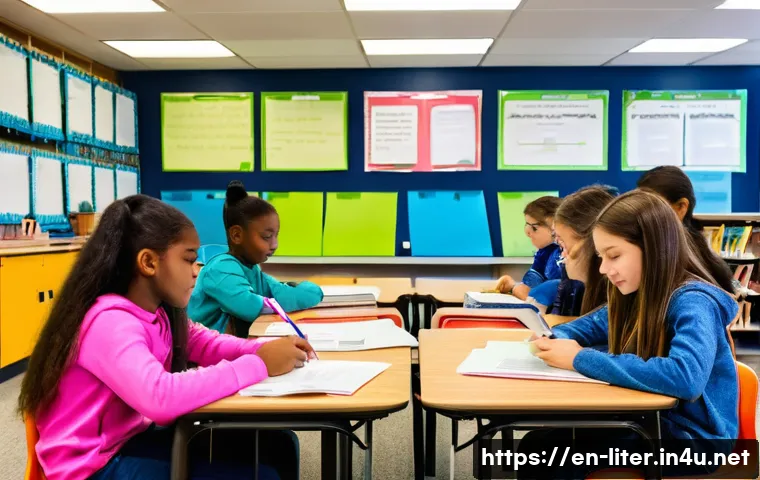
As education evolves with new technologies and approaches, staying updated on assessment techniques becomes essential. Whether you’re a seasoned teacher or just starting, knowing how to measure literacy learning effectively can transform your classroom experience.
Let’s dive into the most practical and insightful ways to evaluate literacy lessons. I’ll guide you through the details to ensure you’re well-equipped!
Understanding Student Engagement Through Diverse Literacy Activities
Observing Authentic Reading Behaviors
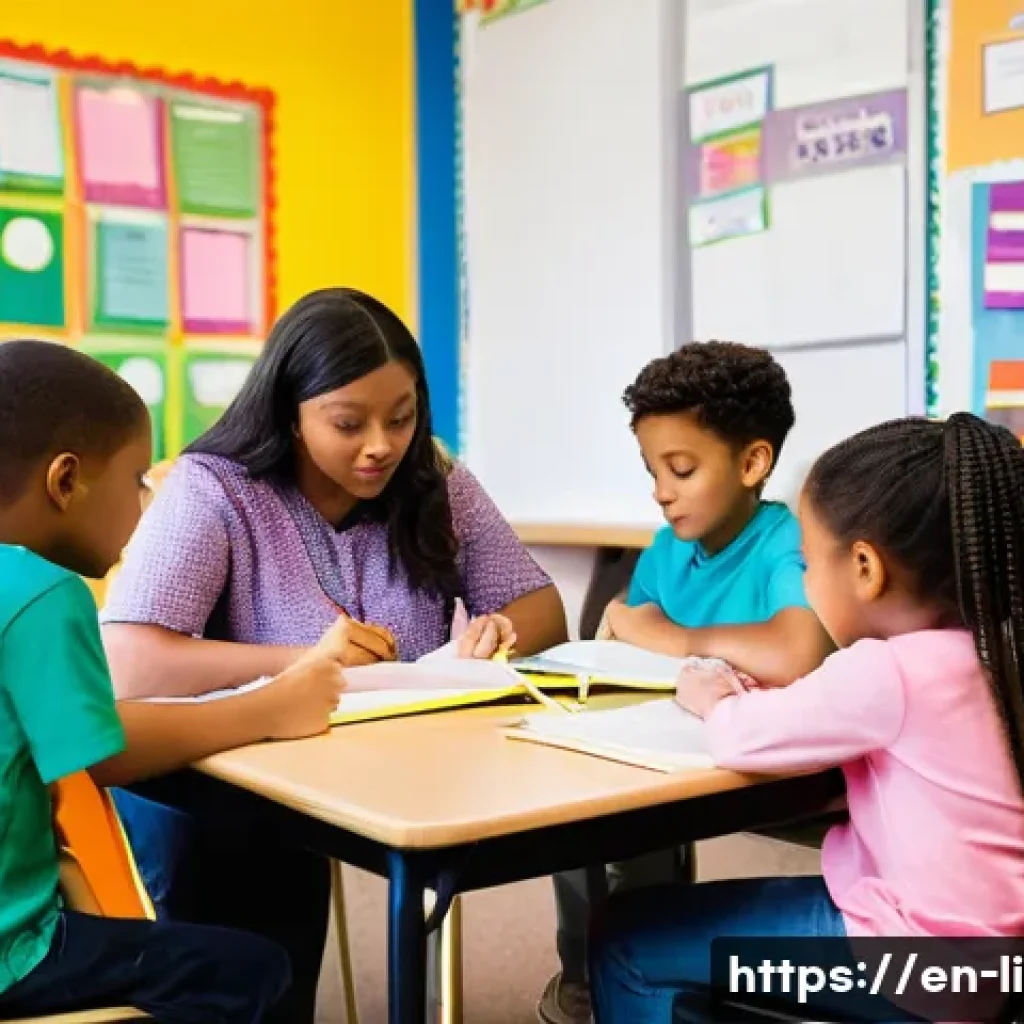
When it comes to evaluating literacy lessons, one of the most revealing methods is simply watching how students interact with texts in real time. I’ve found that observing students during independent or guided reading sessions can tell you a lot about their engagement, comprehension, and even motivation.
For example, do they pause to reflect or make predictions? Are they rereading confusing parts or skipping ahead? These subtle cues often reveal whether a lesson truly connected or if more scaffolding is needed.
It’s important to take notes on these behaviors across multiple sessions to see patterns rather than isolated moments. This ongoing observation helps tailor instruction in ways tests alone never could.
Incorporating Student Self-Assessment
Giving students a voice in evaluating their own learning is a game changer. I encourage teachers to implement quick reflection prompts after literacy activities, such as “What part of today’s reading was easiest or hardest?” or “What strategy helped you understand the story?” When students articulate their thinking, it not only reinforces metacognition but also provides teachers with valuable insights into lesson effectiveness.
Over time, this practice fosters ownership and encourages learners to become more aware of their reading and writing processes, which is crucial for lifelong literacy development.
Using Informal Discussions to Gauge Understanding
Sometimes the most natural way to assess literacy is through conversation. Informal discussions—whether one-on-one or in small groups—allow teachers to hear students explain ideas in their own words.
I’ve noticed that these chats often reveal misconceptions or gaps that formal assessments miss. For instance, a student might be able to decode words but struggle to summarize a text’s main idea.
These moments are golden for adjusting lessons dynamically and ensuring comprehension is truly happening, not just surface-level recognition.
Analyzing Writing Samples for Deeper Literacy Insights
Evaluating Structure and Organization
When students produce writing, it opens a window into their literacy skills beyond decoding. I always look closely at how their ideas are organized. Are paragraphs logically ordered?
Does the piece have a clear introduction and conclusion? Effective writing evaluation involves more than grammar checks—it’s about understanding how well students can communicate their thoughts coherently.
This often highlights whether they grasp narrative or expository conventions, which directly reflects lesson impact.
Assessing Vocabulary and Language Use
Vocabulary growth is a key literacy milestone, and analyzing word choice in student writing can reveal a lot. I encourage educators to track the diversity and appropriateness of vocabulary across assignments.
Are students experimenting with new words introduced during lessons? Do they use context clues effectively to enhance meaning? This kind of qualitative analysis often provides richer feedback than standardized tests, helping teachers identify who might need targeted support or enrichment.
Spotting Patterns in Spelling and Grammar Errors
While errors are natural in learning, patterns in spelling and grammar mistakes can signal specific instructional gaps. For example, consistent misuse of verb tenses or confusion between homophones might indicate areas where reteaching is necessary.
I’ve seen that keeping a running record of these errors across several writing tasks helps teachers prioritize their focus and also track student progress over time.
This targeted approach makes literacy instruction more efficient and responsive.
Leveraging Technology to Enhance Literacy Assessment
Interactive Reading Apps as Formative Tools
Technology has transformed literacy assessment, especially through apps that provide immediate feedback. I’ve personally used platforms where students read digitally and answer embedded comprehension questions, giving me instant data on their understanding.
These tools often include audio support and vocabulary games, which engage learners while producing useful analytics. Integrating such technology allows for ongoing monitoring without the pressure of formal tests, and students enjoy the interactive experience.
Digital Portfolios for Tracking Growth
Collecting student work over time in digital portfolios offers a comprehensive view of literacy development. Unlike snapshots from single assessments, portfolios showcase progress across different genres and skills.
I recommend teachers encourage students to upload writing drafts, reading reflections, and multimedia projects regularly. Reviewing these collections helps identify trends and celebrate milestones, boosting motivation.
Plus, portfolios make parent-teacher conferences more meaningful by showing real evidence of learning journeys.
Utilizing Automated Writing Evaluation Systems
While automated systems can’t replace nuanced teacher feedback, they serve as helpful supplements. I’ve experimented with tools that assess grammar, coherence, and style, providing students with immediate suggestions for improvement.
These programs support independent revision and foster self-editing habits, which are essential for literacy autonomy. When combined with teacher insights, such technology enhances the overall evaluation process and supports differentiated instruction.
Designing Rubrics that Reflect Real Literacy Competencies
Aligning Rubrics with Learning Objectives
Crafting clear, focused rubrics is essential for meaningful literacy evaluation. I always advise starting with specific learning goals—whether it’s comprehension, vocabulary use, or writing mechanics—and designing criteria that directly measure those targets.
A well-aligned rubric helps students understand expectations and guides teachers in providing precise feedback. The transparency also reduces grading ambiguity and supports consistent assessment across classrooms.
Balancing Holistic and Analytical Criteria
Rubrics that combine holistic impressions with detailed analytic points tend to be the most effective. For example, overall fluency or engagement can be a holistic category, while spelling, sentence structure, and idea development can be analytically scored.

This balance captures both the big picture and specific skill areas. From my experience, students benefit from this approach because it highlights strengths alongside areas for growth, making feedback more constructive and encouraging.
Involving Students in Rubric Development
Involving students in creating or adapting rubrics can increase their investment in the learning process. When learners help define what quality work looks like, they develop a better understanding of assessment criteria and personal goals.
I’ve tried co-creating rubrics with classes and found that it sparks rich conversations about literacy skills and standards. This collaborative effort also builds a classroom culture of shared responsibility and transparency.
Interpreting Assessment Data to Drive Instructional Decisions
Identifying Trends Across Multiple Assessments
Looking at data from one test or assignment only tells part of the story. I recommend compiling results from various formative and summative assessments to spot consistent trends.
For example, if several students struggle with inferencing in reading, that signals a need to revisit or strengthen that skill. This big-picture view ensures instructional time targets the most impactful areas rather than isolated challenges.
Using Data to Differentiate Instruction
Assessment data is invaluable for tailoring lessons to diverse learner needs. I’ve used student profiles built from assessment results to group learners strategically—whether for intervention, enrichment, or peer collaboration.
Differentiation based on solid evidence helps maximize engagement and growth. It also enables teachers to allocate resources effectively, ensuring every student receives the support or challenge they require.
Communicating Results with Clarity and Positivity
Sharing assessment outcomes with students and parents is a delicate balance. I always strive to present data in a way that’s understandable, constructive, and encouraging.
Highlighting progress, even if small, alongside areas to improve fosters a growth mindset. When students see assessment as a tool for learning rather than judgment, they become more motivated and confident.
Clear communication also strengthens the partnership between home and school, which is essential for literacy success.
Practical Tools and Strategies for Ongoing Literacy Feedback
Quick Check-Ins and Exit Tickets
Incorporating brief assessments like exit tickets or quick check-ins at the end of a lesson offers immediate feedback on what students grasped. I’ve found these tools invaluable for adjusting plans on the fly.
For instance, a simple prompt asking students to summarize a key idea or identify a challenging word can reveal gaps before they widen. These low-stakes strategies keep both teachers and learners in tune with daily progress.
Peer Review and Collaborative Feedback
Peer feedback encourages active engagement and critical thinking. When students review each other’s work, they not only learn to critique constructively but also internalize literacy skills more deeply.
I often facilitate structured peer review sessions where students use rubrics or guiding questions. This collaborative process builds communication skills and creates a supportive classroom environment where everyone contributes to learning.
Incorporating Multisensory Feedback Methods
Not all learners respond best to written or verbal feedback. I’ve experimented with multisensory approaches like voice recordings, video comments, or annotated visuals to communicate assessment results.
These methods can be especially effective for young learners or students with diverse learning preferences. Offering feedback through varied channels keeps the process dynamic and accessible, increasing student receptiveness and motivation.
| Assessment Method | Purpose | Benefits | Considerations |
|---|---|---|---|
| Observation | Monitor real-time engagement and reading behaviors | Provides rich qualitative data, highlights motivation and strategies | Requires consistent tracking, may be subjective without notes |
| Self-Assessment | Encourage learner reflection on strengths and challenges | Builds metacognitive skills, fosters ownership | Students may need guidance on honest evaluation |
| Writing Analysis | Evaluate organization, vocabulary, grammar | Reveals deeper literacy skills beyond decoding | Time-intensive, requires clear criteria |
| Technology Tools | Provide immediate feedback and track progress digitally | Engages students, offers data analytics | Access and training needed, should complement teacher input |
| Rubrics | Set clear expectations and consistent grading standards | Clarifies goals, supports constructive feedback | Must align with objectives, can be complex to design |
| Data Analysis | Inform instructional adjustments and differentiation | Targets teaching effectively, supports diverse learners | Requires time to compile and interpret |
| Quick Check-Ins | Gauge immediate understanding after lessons | Flexible, low-pressure, timely feedback | Limited depth, best combined with other methods |
| Peer Feedback | Develop critical thinking and communication skills | Promotes collaboration, deepens understanding | Needs structure and training for effectiveness |
글을 마치며
Understanding and assessing student literacy is a multifaceted process that goes beyond traditional testing. By combining observation, self-assessment, writing analysis, technology, and collaborative feedback, educators can gain a deeper insight into each learner’s unique journey. This holistic approach not only improves instruction but also empowers students to take ownership of their growth. Ultimately, thoughtful and ongoing assessment creates a vibrant learning environment where literacy skills flourish naturally.
알아두면 쓸모 있는 정보
1. Observing students during reading offers valuable clues about their engagement and comprehension that tests might miss.
2. Encouraging learners to self-assess promotes metacognition and builds confidence in their literacy abilities.
3. Writing samples reveal critical information about organization, vocabulary use, and grammar beyond surface-level skills.
4. Technology tools like interactive apps and digital portfolios provide instant feedback and track progress efficiently.
5. Collaborative strategies such as peer review and multisensory feedback enhance understanding and motivate diverse learners.
핵심 내용 요약
Effective literacy assessment requires a balanced blend of qualitative and quantitative methods tailored to student needs. Observations and informal discussions uncover authentic reading behaviors, while writing analysis highlights deeper language skills. Integrating technology enriches feedback and data collection, supporting differentiated instruction. Clear, aligned rubrics guide both teachers and students, fostering transparency and growth. Lastly, ongoing, positive communication of results strengthens motivation and partnership between educators, learners, and families, ensuring literacy development is continuous and meaningful.
Frequently Asked Questions (FAQ) 📖
Q: What are the most effective ways to assess students’ literacy progress during lessons?
A: The best methods combine formative assessments like quick reading checks, writing prompts, and interactive discussions with summative tools such as quizzes or portfolios.
I’ve found that regular, low-pressure checks allow students to express their understanding without stress, while portfolios showcase growth over time.
Using technology like digital reading logs or apps can also provide immediate feedback, making it easier to tailor instruction on the spot.
Q: How can I use assessment results to improve my literacy teaching strategies?
A: When you analyze assessment data, look beyond scores to identify patterns—like which skills students struggle with most or what types of texts engage them.
I personally started grouping students by their needs and tailoring mini-lessons accordingly, which made a noticeable difference. Reflection is key; if many students stumble on comprehension, try incorporating more guided reading or interactive read-alouds.
The goal is to adapt your approach based on real-time insights rather than sticking rigidly to a plan.
Q: How do I stay updated on new literacy assessment techniques and tools?
A: Staying current means tapping into professional learning networks, attending workshops, and subscribing to reputable education blogs and journals. I recommend joining teacher communities on social media platforms where educators share fresh ideas and firsthand experiences.
Also, experimenting with new tools yourself is invaluable—trying out a new assessment app or strategy firsthand helps you decide if it fits your classroom.
Continuous learning keeps your assessments relevant and impactful.